Hummocks, Flarks and A Vegetarian Indian Feast!

Kelsey Road: Sheffield, MA

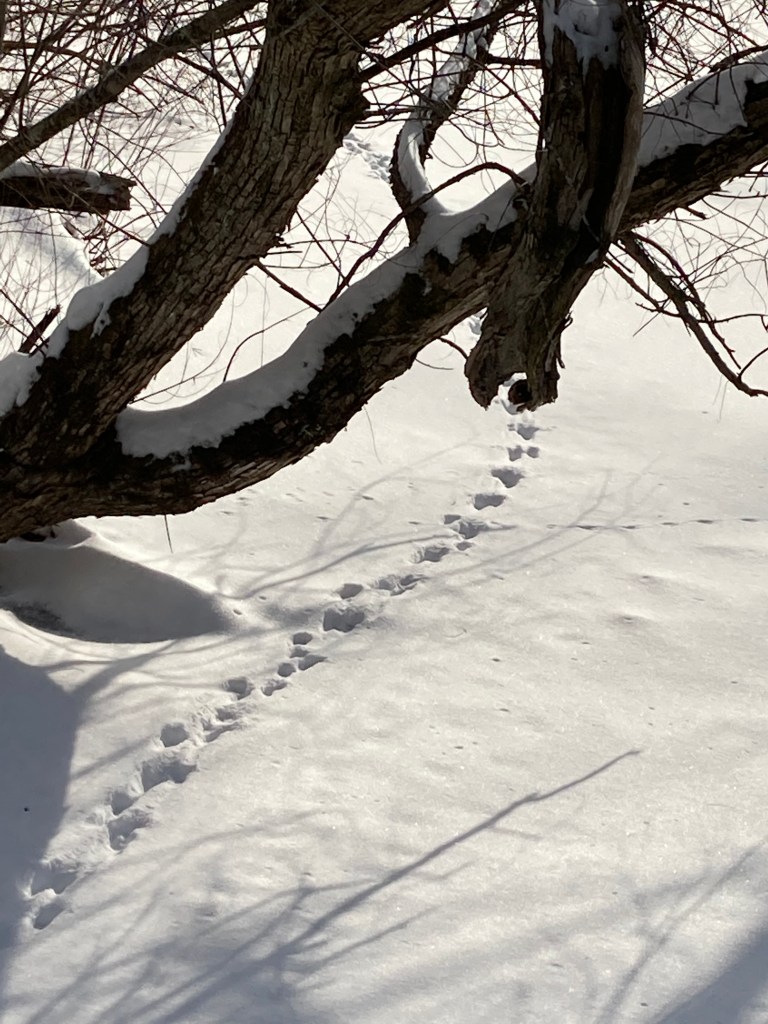
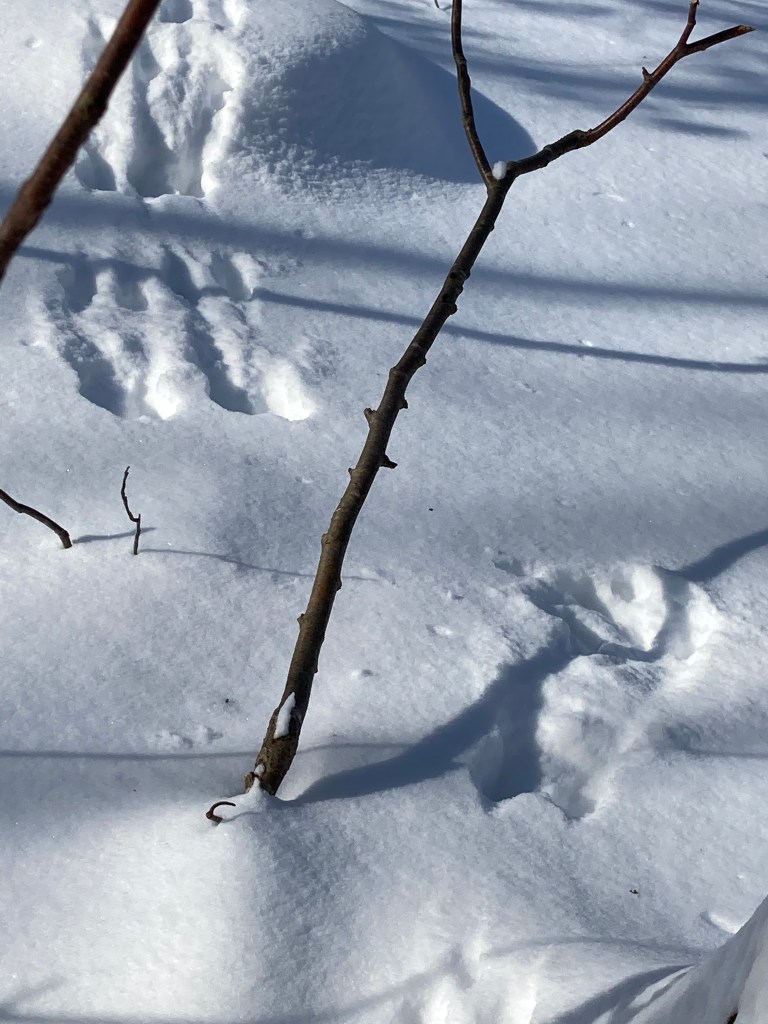
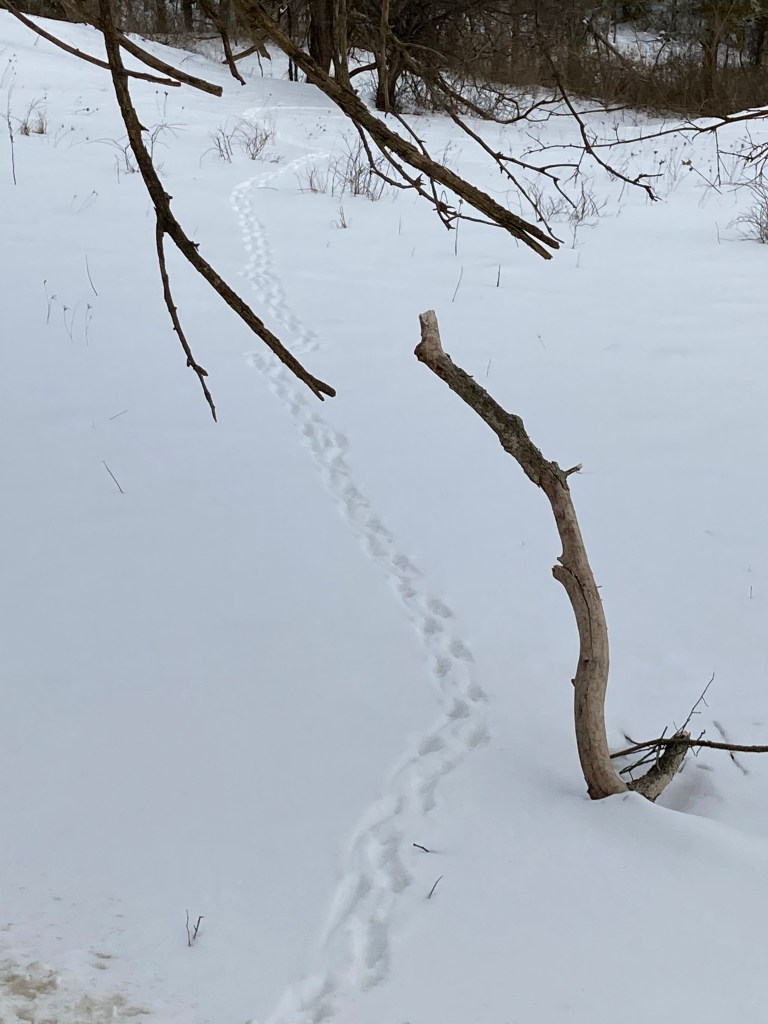
This week I had planned on writing Part Two: Provence Revisited, but I was sidetracked by pristine fresh snow; a brilliant white palette for animal tracks and reflections of light. Provence can wait, for now it’s back to winter!

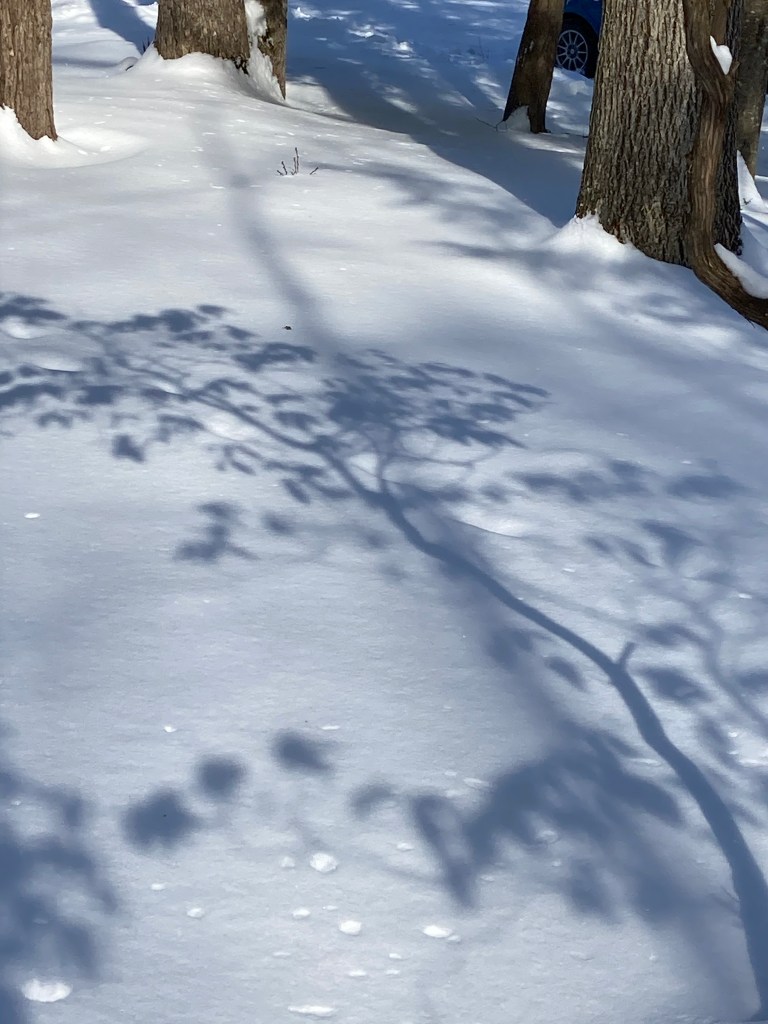
Our invigorating walks in the cold have been mostly on side roads and our steps are careful; plodding and heavier. Between wearing sturdy winter hiking boots and the snow covered roads, it feels as if my feet carry me along like the thick and heavy tread of snow tires! The slower pace gives one the advantage of noticing more and I am enthralled by the patterns of light and shadows on the snow.


Wild Turkey Tracks

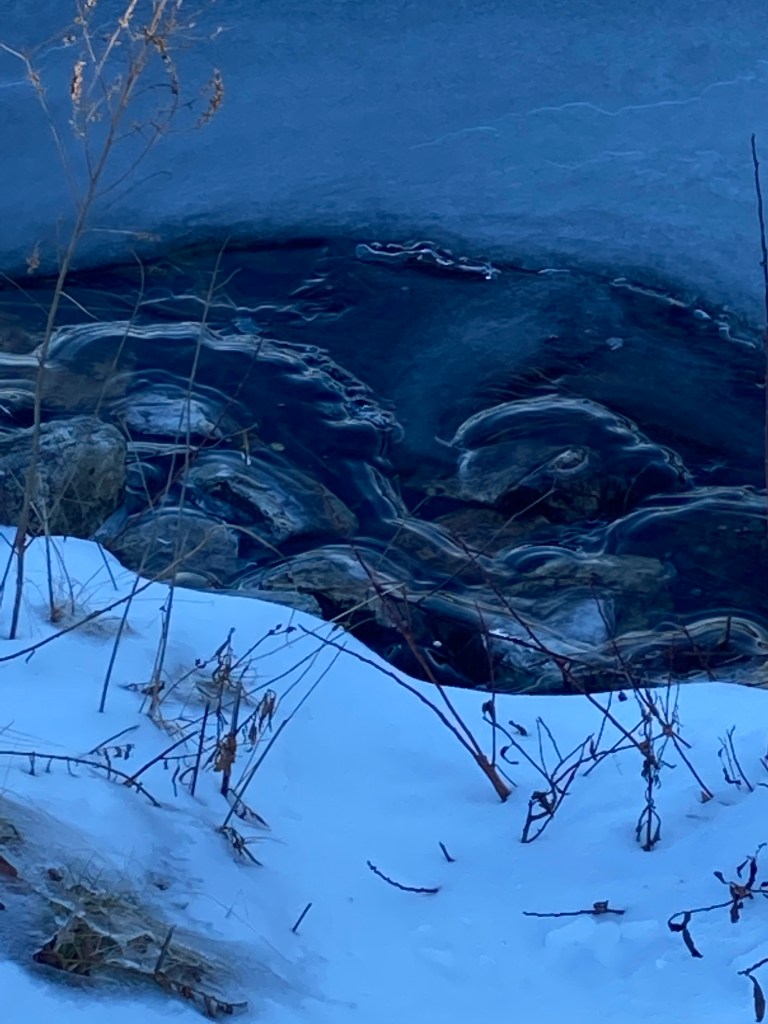
A small puddle of water on the side of the road is transformed into an exquisite ice sculpture.

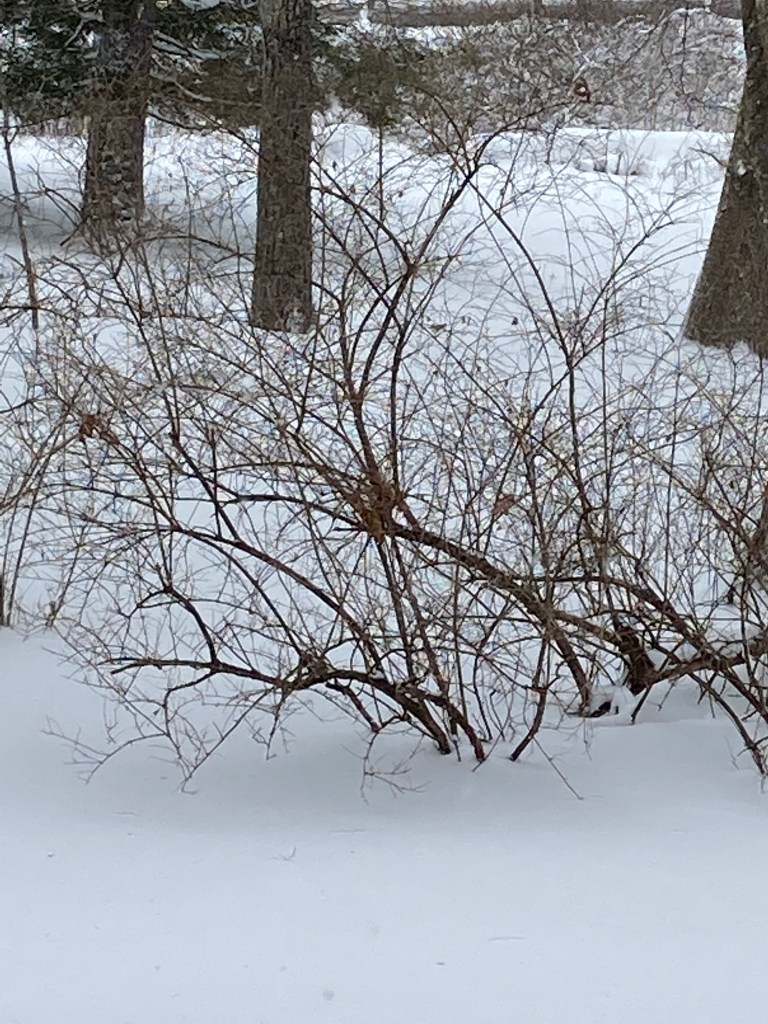
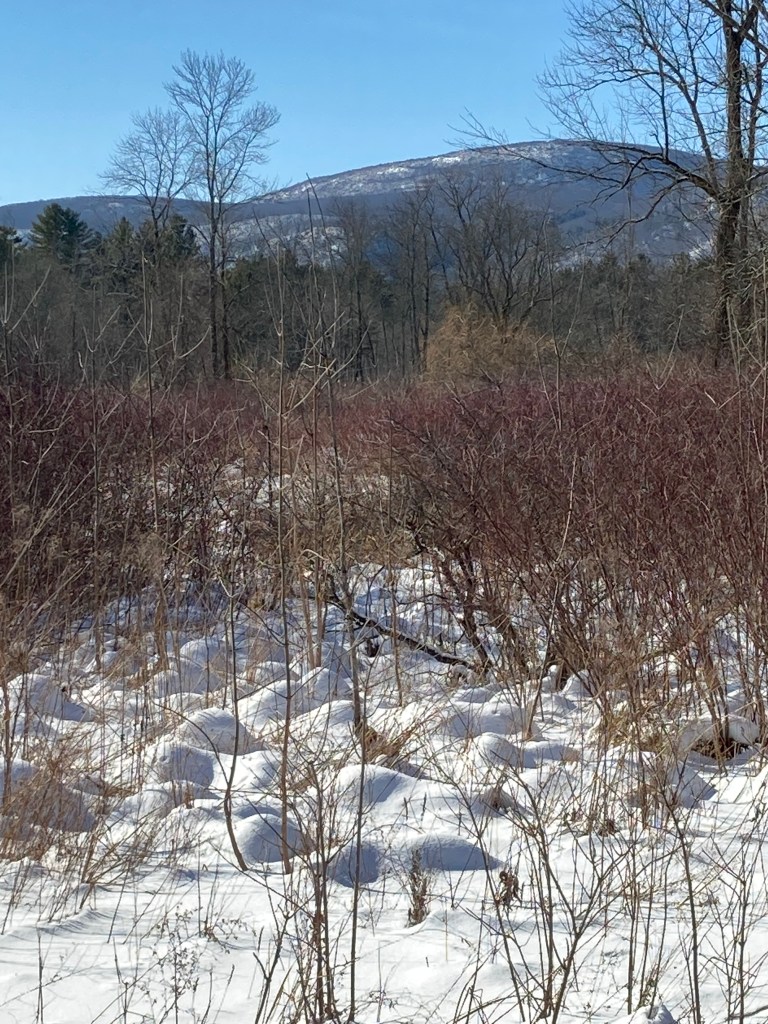
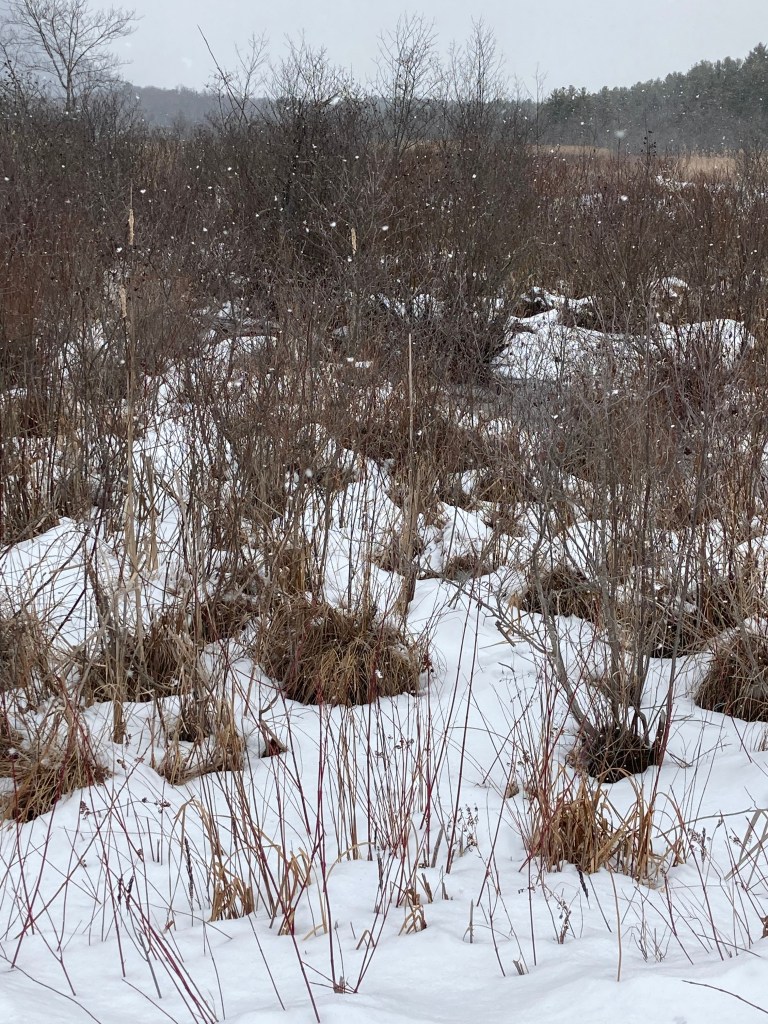
On Kelsey Road in Sheffield MA, we walked by a small marsh and Paul remarked that he thought that the tiny bumps and indentations covered with snow were called hummocks. I thought that they looked like a magical colony of snow elf dwellings! After checking on Wikipedia, we read that shallow wet depressions in swampy areas are also called flarks.

Walking along the road, we had a good deal of fun making up silly word combinations, but quickly realized that we needed to call on our dear friend Hal Ober, an amazing poet and writer. He writes a blog called The Old Hatchery. We asked him to come up with a fitting limerick and he willingly complied. Here it is!

Hummocks and flarks. Hummocks and flarks.
It’s enough to flummox the Brothers Marx!
Compounding the task with a limerick ask?
Why, I’d sooner recline in a hammock with sharks!


AND, then Hal also wrote a poem!

Boggier(but not a limerick)

A hummock’s a hollow,
A flark is a mound.
No, sorry! 
I’ve got that the wrong way around.


If you slog through a bog
Here’s a field note to savor:
A hummock’s convex
And a flark is concaver. 

Or picture a sine wave.
Why? Just for a lark.
The crest—that’s the hummock.
The trough is the flark.

Thank you Hal!!


AND, According to Wikepedia

In geology, a hummock is a small knoll or mound above ground.[1] They are typically less than 15 meters (50 ft) in height and tend to appear in groups or fields. It is difficult to make generalizations about hummocks because of the diversity in their morphology and sedimentology.[2] An extremely irregular surface may be called hummocky.[3]

An ice hummock is a boss or rounded knoll of ice rising above the general level of an ice-field. Hummocky ice is caused by slow and unequal pressure in the main body of the packed ice, and by unequal structure and temperature at a later period.

Hummocks in the shape of low ridges of drier peat moss typically form part of the structure of certain types of raised bog, such as plateaukermipalsa or string bog. The hummocks alternate with shallow wet depressions or flarks.

Strange as it may seem to some, especially this week with the whole country in crisis with a deep freeze, I love the cold weather. I find I have more energy and focus. After a long walk, I am ready to come back indoors and cook to my heart’s content. With a fire blazing in the woodstove, food can simmer on the stove for hours while I practice, plan for future concerts, read and write. In the summer, I feel languid and lazy. I am always trying to keep the house cool and cooking in general suffers.

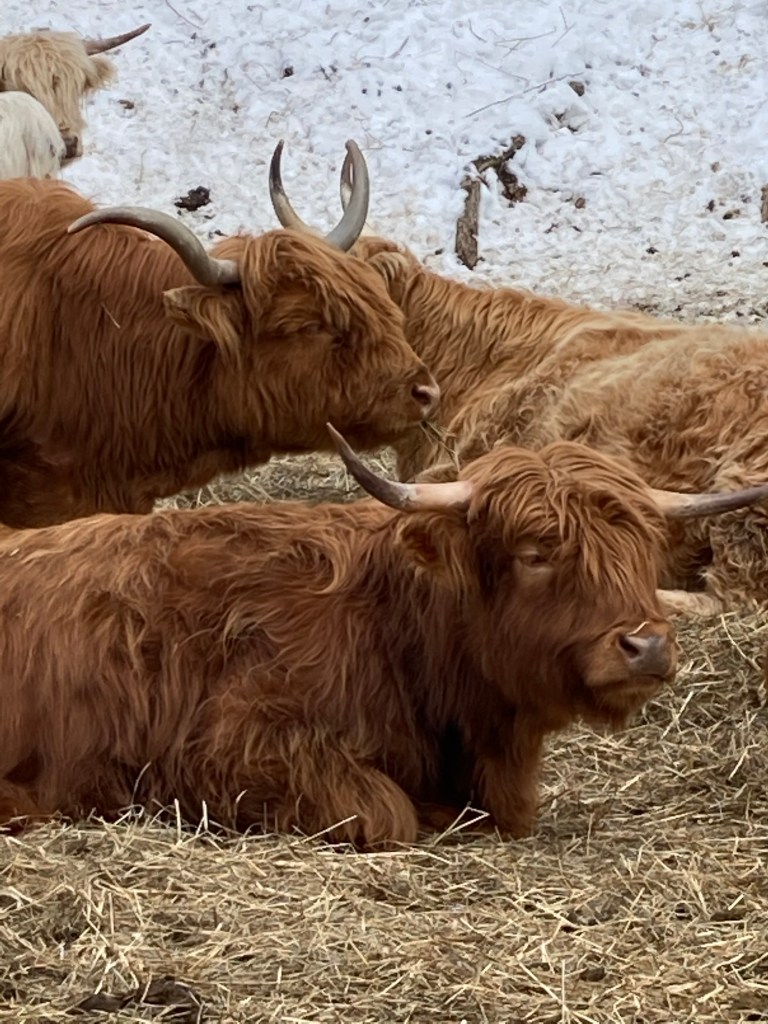
While walking the other day, I passed a small farm that raises Highland cattle. Originally from the Highlands and Western Isles of Scotland, their heavy fur is suitable for strong winds and colder temperatures. I was able to get quite close and could see puffs of steam come out of their noses as they exhaled. They seemed very contented in the snow; I think I might have found some kindred spirits!
**********************************

Safely back inside, I began to think about dinner. For the holidays, my daughter gave me a cookbook by the Israeli/English chef Yotam Ottolenghi called Flavor. Well known for his innovative recipes using a wide range of flavor combinations, his most recent book features plant based recipes. This is perfect for us. These days we are leaning towards a mostly vegetarian diet for a number of reasons: health, environmental concerns and I also happen to love the many different cuisines that use vegetables in flavorful and creative ways; Asian, Middle Eastern, Indian; the possibilities seem endless. Looking through the book, I saw a recipe for Tofu Korma that sounded delicious. Luckily the day I made it, we were snowed in- it took most of the day to prepare! The recipe with instructions will appear at another time!

Tofu Korma from Yotam Ottolenghi’s Flavor

I decided to make an Indian vegetarian feast that was a bit less labor intensive. I made the following dishes over two days: Day One- Curried Vegetables, Kidney Bean Dal and Brown Rice. Day Two – Indian Pan Fried Cauliflower and Whole Wheat Naan along with leftovers from the previous night! A true feast!
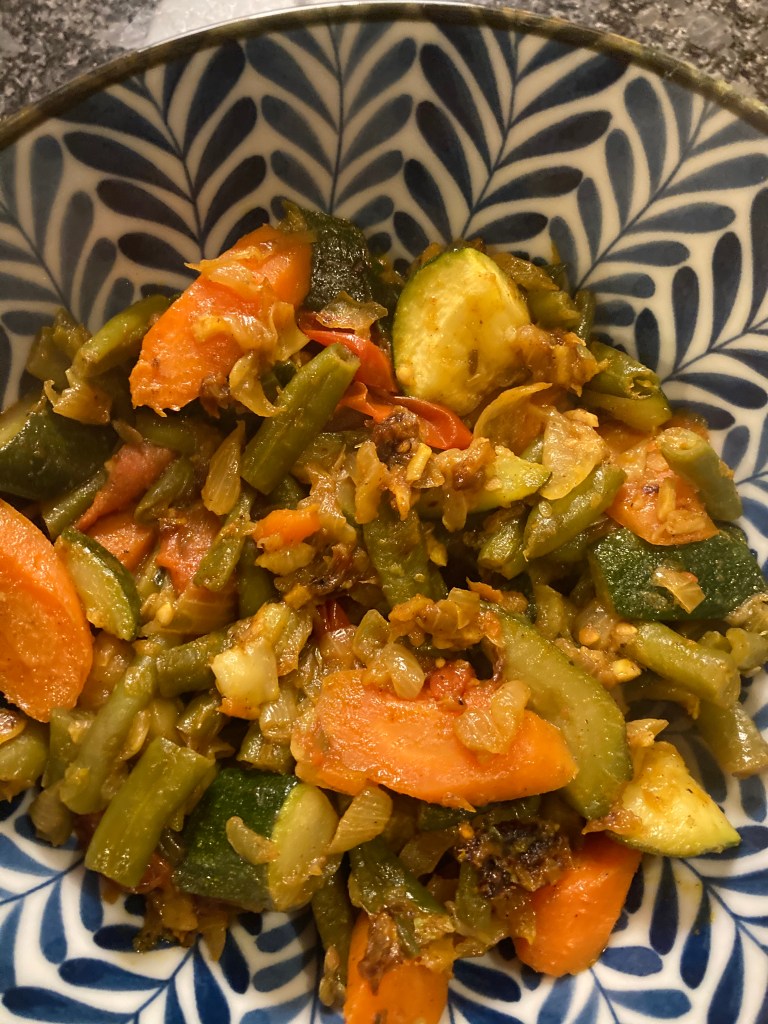
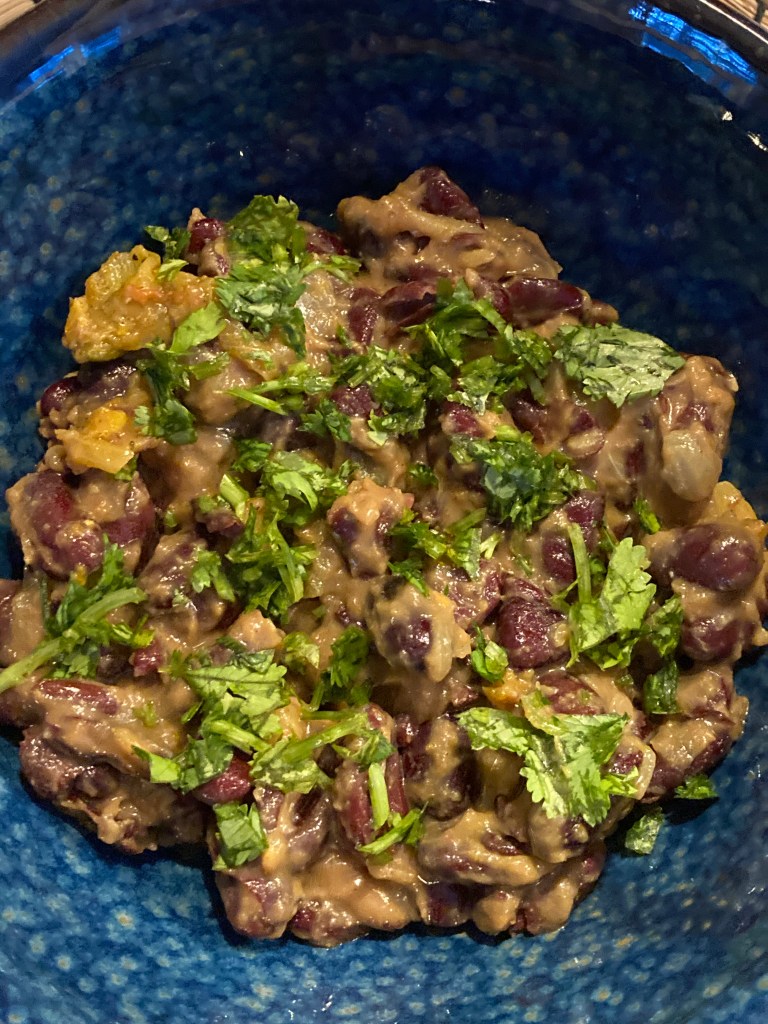
Curried Vegetables
Kidney Bean Dal
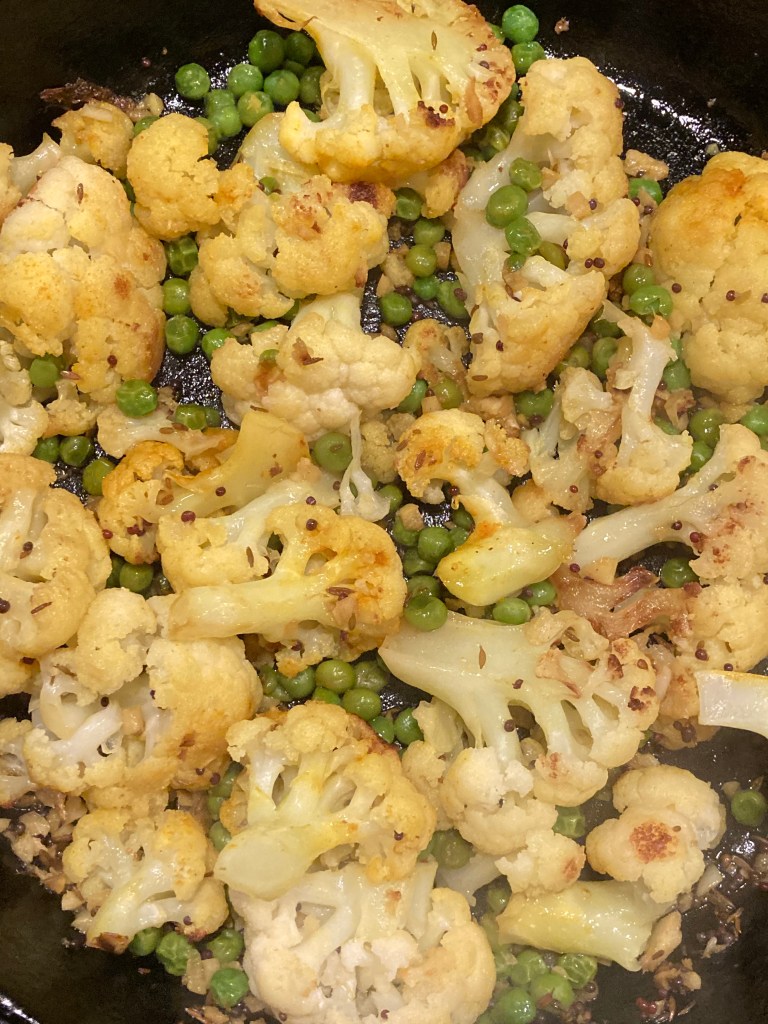
Indian Pan Fried Cauliflower

The pan fried cauliflower, seasoned with cumin and black mustard seeds, turmeric, ginger and garlic is based on a recipe by David Tanis who is a contributor for the NYT Cooking column. Tanis has worked as a chef for many years at the renowned Berkeley restaurant Chez Panisse; on my wish list to visit! I found the cumin and black mustard seeds in out of way container of Indian spices that I had purchased a while ago from a wonderful store called Kalustyan’s in Manhattan. Ideally spices should replaced after a year and I know that my supply is getting a bit old. Kalustyan’s has a great online store to order spices, but I think I will hold out until I can visit Curry Hill, the area between Lexington Avenue and 25th to 30th streets. I will also plan to visit Pongal an excellent vegetarian Indian restaurant in the neighborhood and will most definitely order a dosa!
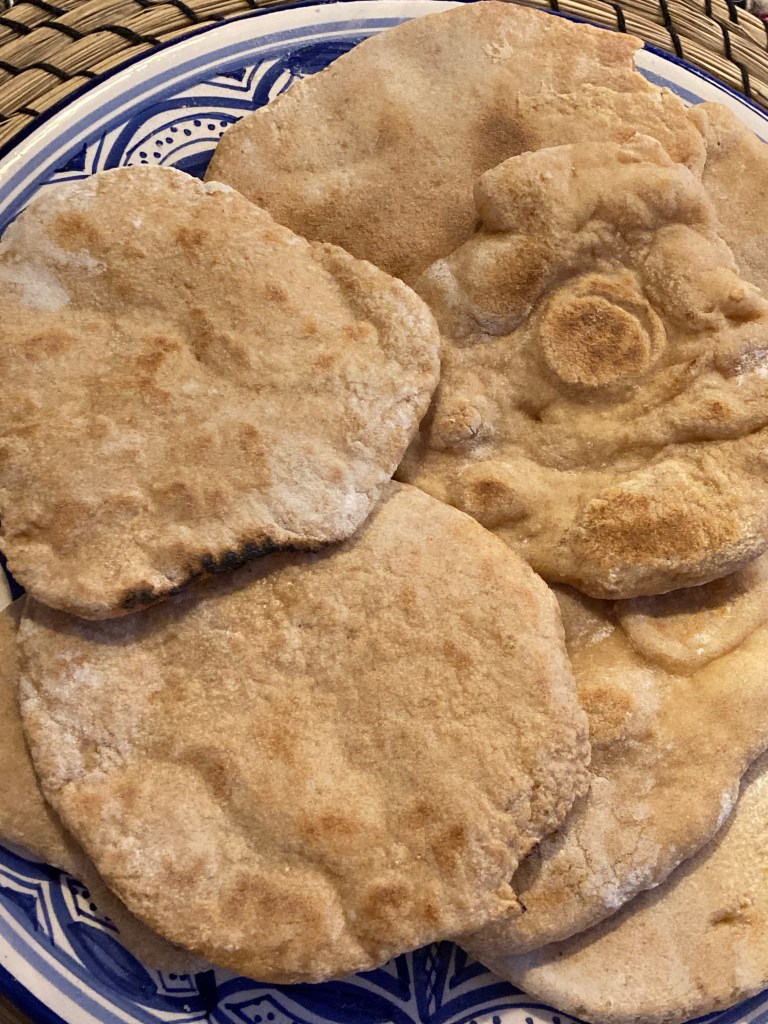
Whole Wheat Naan

The naan was surprisingly easy to make; the only ingredients were whole wheat flour, yeast, salt and yogurt. I kneaded the dough in my mixer with a dough hook and they cooked very quickly on a hot griddle. The fun part was holding them over an open gas flame with tongs and they puffed up!

Curried Vegetables

Ingredients:

2 carrots cut into diagonal slices

1 zucchini cut into diagonal slices

1 cup frozen green beans

6-8 cherry tomatoes

1 medium onion diced

2 tablespoons olive oil

2 tablespoons finely chopped ginger

1 tablespoon finely chopped garlic

2 teaspoons curry powder

1 teaspoon ground cumin

salt and freshly ground pepper to taste

To Make Vegetable Curry:

In a large saucepan pan, heat olive oil.

Add onions and saute until they soften and turn light brown.

Add garlic and ginger and saute about a minute.

Add cumin, salt & pepper to taste and curry powder and saute for two minutes.

Add vegetables and saute for two minutes.

Add a bit of water and cover pan. You can always add more water if the mixture gets too dry and the vegetables are not soft enough.

Reduce to a simmer and cook until vegetables are soft about 30 minutes.

Remove cover from pan and cook for a few minutes. You want a thick mixture-if there are bits of caramelized onion, garlic or ginger on the bottom of the pan this is good! Stir them up into the mixture.

Enjoy!

Kidney Bean Dal

Ingredients:

2 cans organic kidney beans drained and rinsed

1 small onion finely chopped

2 cloves garlic finely chopped

1 tablespoon finely chopped ginger

1 tablespoon olive oil

1 teaspoon garam masala

1/2 teaspoon ground turmeric

1 teaspoon ground cumin

1 bay leaf (if you have fresh curry leaf, this would be great!)

salt and freshly ground pepper to taste

2 tablespoons chopped cilantro for garnish

To Make Kidney Bean Dal:

In a medium sized pot, heat olive oil.

Add onion and saute until it softens.

Add garlic and ginger- saute one minute.

Add turmeric, cumin, salt and pepper to taste.

Cover with water and bring to a boil.

Reduce to a simmer and cook until onions are soft and liquid is almost gone.

Uncover and cook a bit more until all liquid is gone.

Garnish with chopped cilantro and serve.

Enjoy!

Indian Pan-Fried Cauliflower

Ingredients:

2 tablespoons olive oil

1 small cauliflower, cored and sliced into 1/2 pieces

salt and freshly ground pepper to taste

1 teaspoon cumin seeds

1 teaspoon black mustard seeds

1 teaspoon ground turmeric

1 tablespoon finely chopped ginger

2 garlic cloves finely chopped

1/2 cup frozen peas

To Make Cauliflower:

Heat a large saute pan or cast-iron skillet over medium to high heat.

Add the oil and when it is hot, add cauliflower in one layer. Let it brown and then stir. Season with salt and pepper and cook about 5 minutes more.

Push cauliflower over to one side of the pan and add a bit more olive oil.

Add cumin seeds, mustard seeds and tumeric and when the mixture begins to sizzle, add ginger and garlic.

Add peas and stir well.

Add water to almost cover vegetables, bring to a boil and then reduce to a simmer.

Cover pan and cook until the cauliflower is tender and the liquid is evaporated, about 10-15 minutes, the timing can vary.

At this point, you can cook the mixture a few minutes more to brown and crisp things up.

Enjoy!

Whole Wheat Naan

Ingredients:

2 cups whole wheat pastry flour

1 1/2 teaspoons active dry yeast

small pinch of sugar

2 tablespoons non-fat yogurt

1 teaspoon salt

lukewarm water

To Make Naan:

In a large mixing bowl, combine flour, pinch of sugar, salt and yeast.

Place the yeast and salt on opposite sides of the bowl, this is because salt will adversely effect the yeast if the are mixed together while still dry.

Add yogurt and a small amount of water and knead briefly to make a smooth dough. You can continue kneading by hand for 5 minutes, but I used the dough hook on my mixer for 5 minutes and it was fine!

Cover the dough and let it rise in a warm place for about 2 hours until it is doubled in size.

This is one of the fun parts- punch the dough down and knead for a couple more minutes.

Make 6-8 portions of the dough into balls and allow the dough to rest for 10 minutes. The dough will rise again a bit more.

Lightly dust a working surface with flour and roll the balls into ovals or circles, do not roll out too thin.

Heat a skillet on medium-high heat, place the rolled whole wheat naan over the heated skillet and cook on both sides. You will notice brown spots come on the top and the naans will puff up with air pockets. 

This was my favorite part. If you have a gas flame, you can optionally cook it directly over the flame once it is partially done on the skillet and let the breads puff up over the open flame!

You can smear some butter over the hot breads if desired!

ENJOY THE FEAST!!
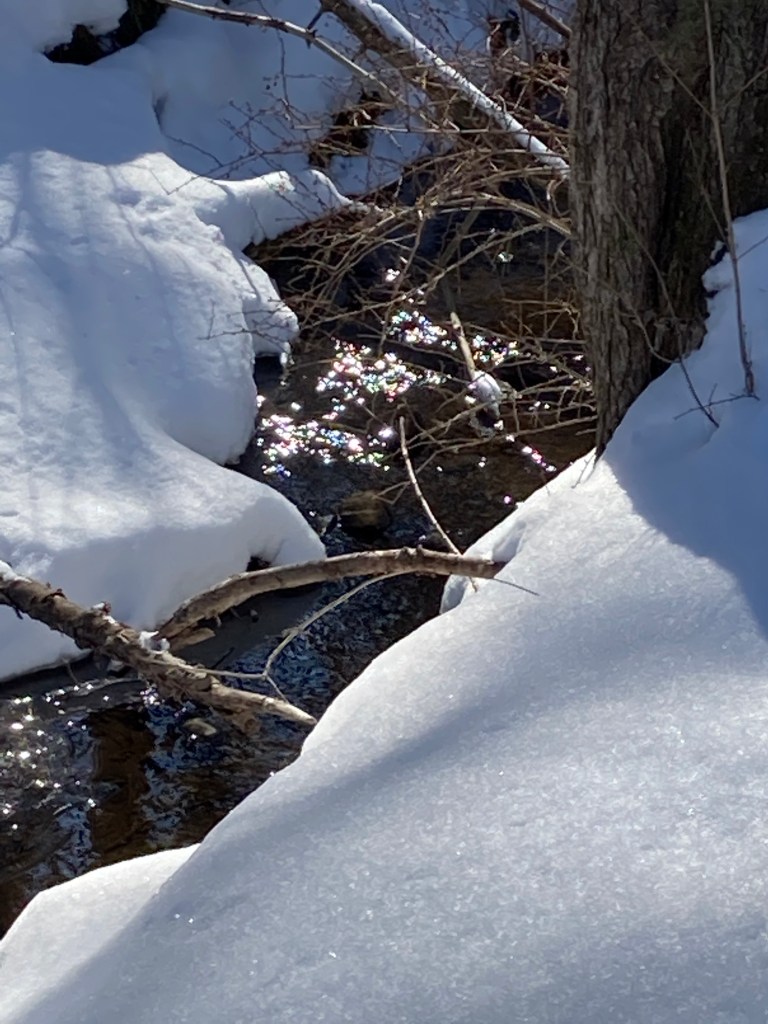
Happy Rest of Winter! For the warm weather lovers, spring will be here soon! Stay warm and safe!

An addendum: hummocks and flarks on today’s snowy walk on Kelsey Road!
Provence Revisited: The Search For Illusive Oboe Cane!

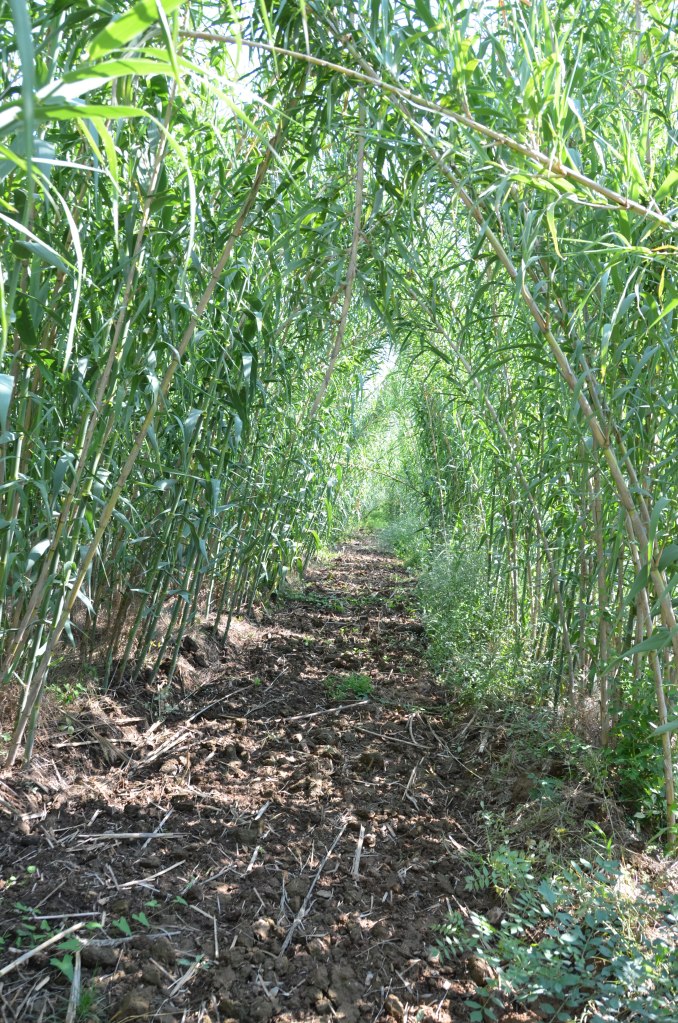
Photo: Jean-Francois Rico D’Addario Cane Plantation- Hyeres, France 2017

What a few weeks! Trump is finally gone and it seems like we have woken up from a bad dream! Add to this, Paul had a health scare, but thankfully all is well. The trails are icy and hard to navigate and it is really cold out there, so long walks will be curtailed for a while! We both are feeling a bit of cabin fever and impatience as we wait for the vaccine and financial relief for so many people that are suffering. It seemed like the perfect opportunity for a little escape to a happier and warmer time; with memories from a trip to Provence that I took in 2017. This was part of a Professional Development Grant from Hofstra University titled: “The Search for Ellusive Oboe Cane.”

First, a bit of context:

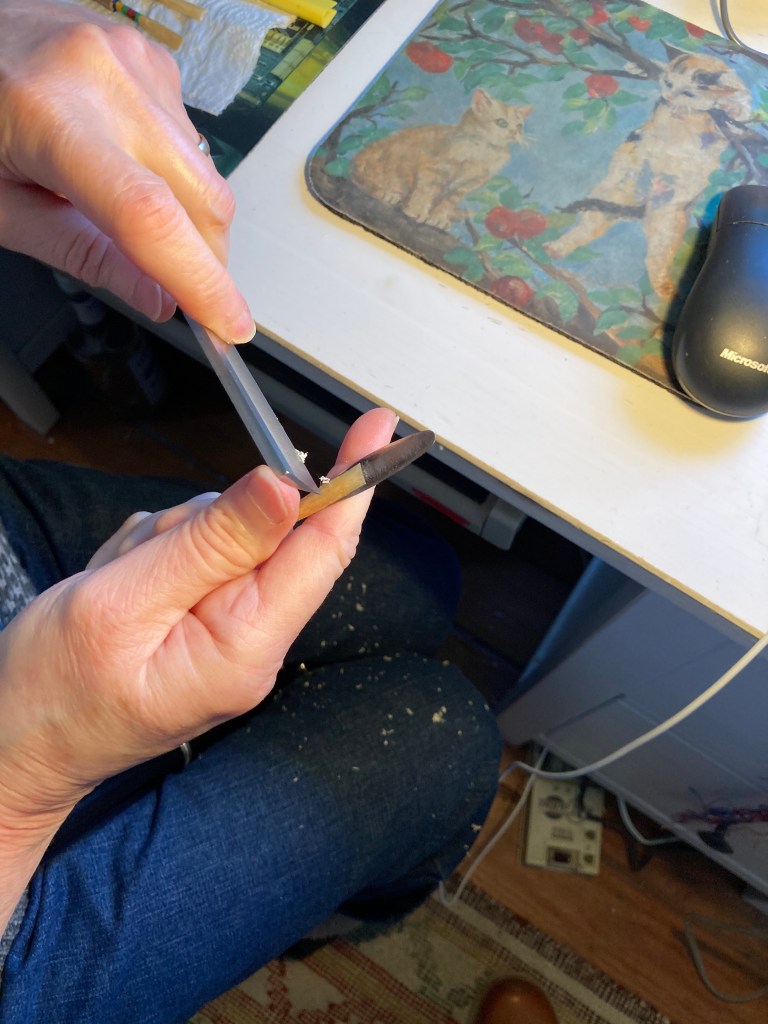
One of the challenges of being an oboist is that in addition to playing an aerobic and difficult instrument is that one must also carve their own reeds. It is a precise skill learned over many years; at times the process can be Zen like, but it can also be a major source of frustration. Reeds are notorious for playing beautifully and then, with a small change in the weather they can become unresponsive and difficult to play.

We oboists have earned a reputation for being slightly eccentric, also thinking we are under appreciated because of what we have to deal with daily. This short and very humorous YouTube video perfectly illustrates a typical oboist!

Oboe, Clarinet, Saxophone and Bassoon reeds are made from a species of cane called Arundo Donax. Sorry for the pun, but Paul calls it donax don’t tell! It thrives in hot humid climates with some of the best cane grown in Southern France. When I was thinking about ideas for possible Professional Development Grants, the thought of visiting the source of reed cane intrigued me and of course, it did not hurt that this was in Provence! When I mentioned my idea about the trip to oboists, their eyes would light up and they would say,” What a brilliant idea!” When I brought up my plans to anyone else, the comment was, “You are going to Provence and will spend your days in hot and humid cane fields?” Then, they would politely smile. I was delighted and honored when I was awarded the grant and here begins the adventure:

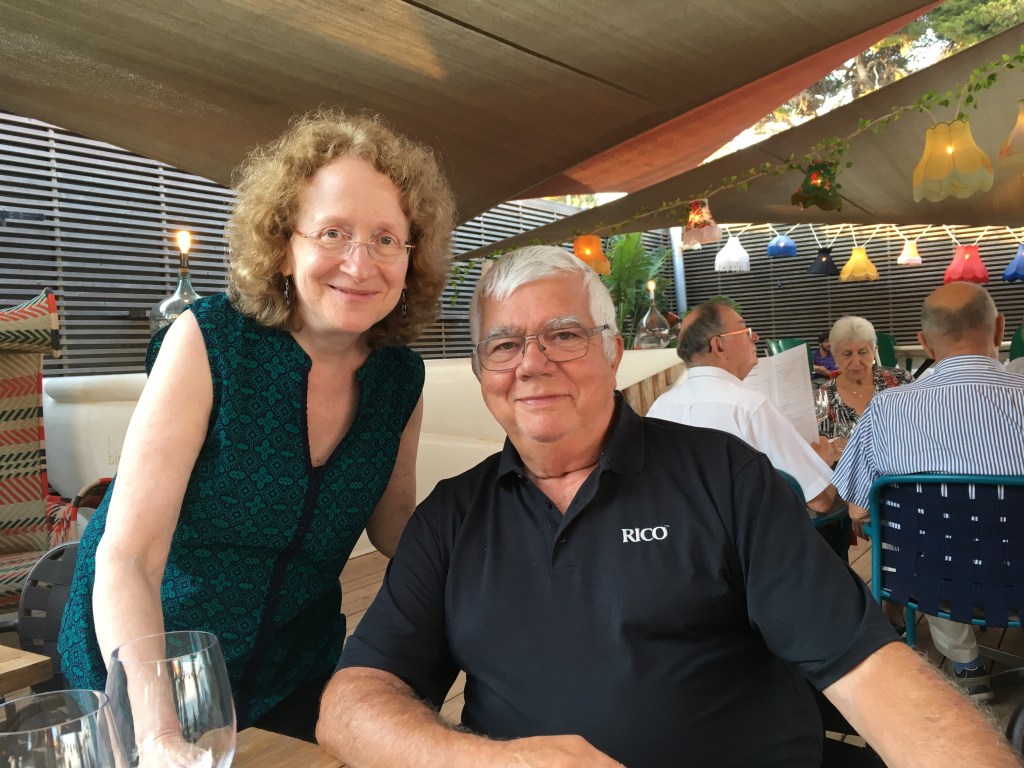
First, I needed a knowledgeable tour guide. I was very fortunate to be connected with Jean-Francois Rico who lives in Nice, by Rob Pollan, the husband of the wonderful repair person Kristen Bertrand. For several years, Rob worked for D’Addario Woodwinds and knows many of the cane growers in France. Jean-Francois was the perfect guide. His grandfather was the founder of Rico Reeds. In addition to owning Rico Reeds, he has also worked as a professional photographer. He knows all of the cane growers in the area, is fluent in both French and English and loved having the chance to visit old friends and acquaintances. He was also a wine and food connoisseur; a match made in heaven! Each night during our trip, Jean-Francois would suggest a restaurant and also made suggestions about which Rose wine to sample. One night at dinner, as he was describing regional dishes and cooking techniques, my travel companion Amanda and I nodded our heads eagerly in recognition. He seemed a bit surprised and then said: “for Americans, you two seem to know an awful lot about food”!

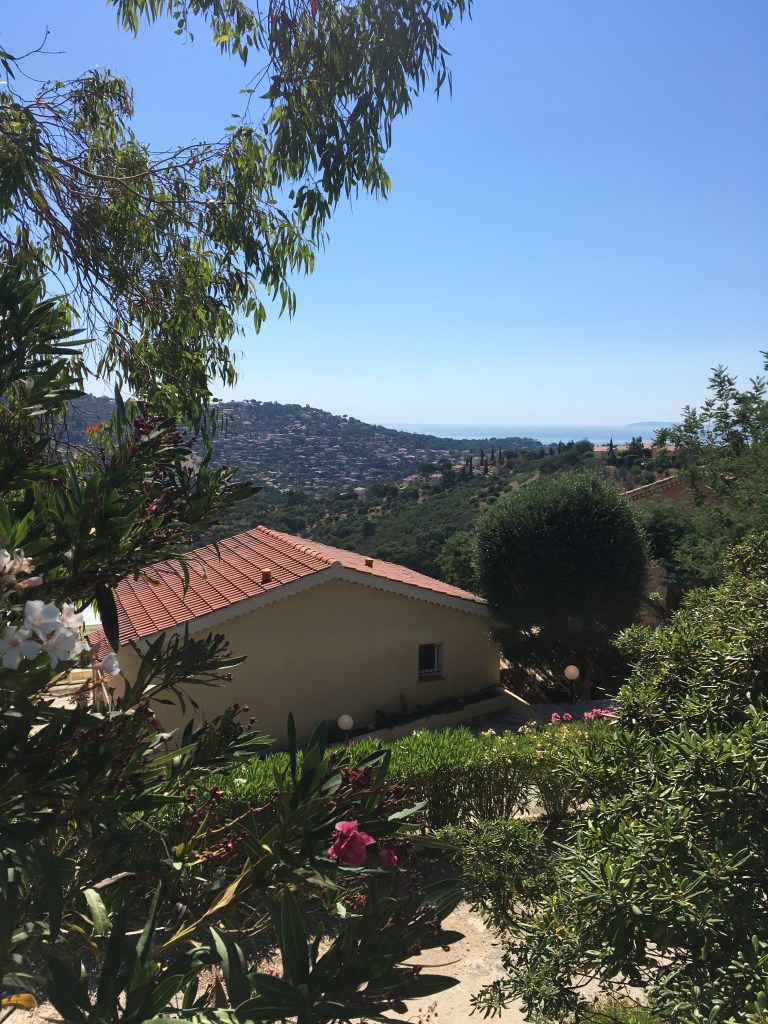
Along with my intrepid travel partner and good friend Amanda, we spent three days traveling around and meeting many of the different cane growers in the Var Region of Provence. Not only did Amanda think of good questions to ask the various cane growers, she was also an excellent driver and in our standard six speed Peugot, she expertly navigated the myriad difficult rotaries and hairpin curves on the windy mountain roads! Under the backdrop of the sparkling Mediterranean Sea in Hyeres France, we visited the cane fields and learned a great deal about how the cane is grown and then dried for a year before it is ready to be used to make reeds. Hyeres is in a beautiful and un-touristy section of Provence; on the Mediterranean, not far from Marseille.

When we settled into our first hotel, Hotel Mercure, in Hyere, I knew I was in cane country; the walls were decorated with reed cane!

On the first morning of the trip, before our meetings started, we drove around the village of Hyeres and enjoyed the exquisite scenery.

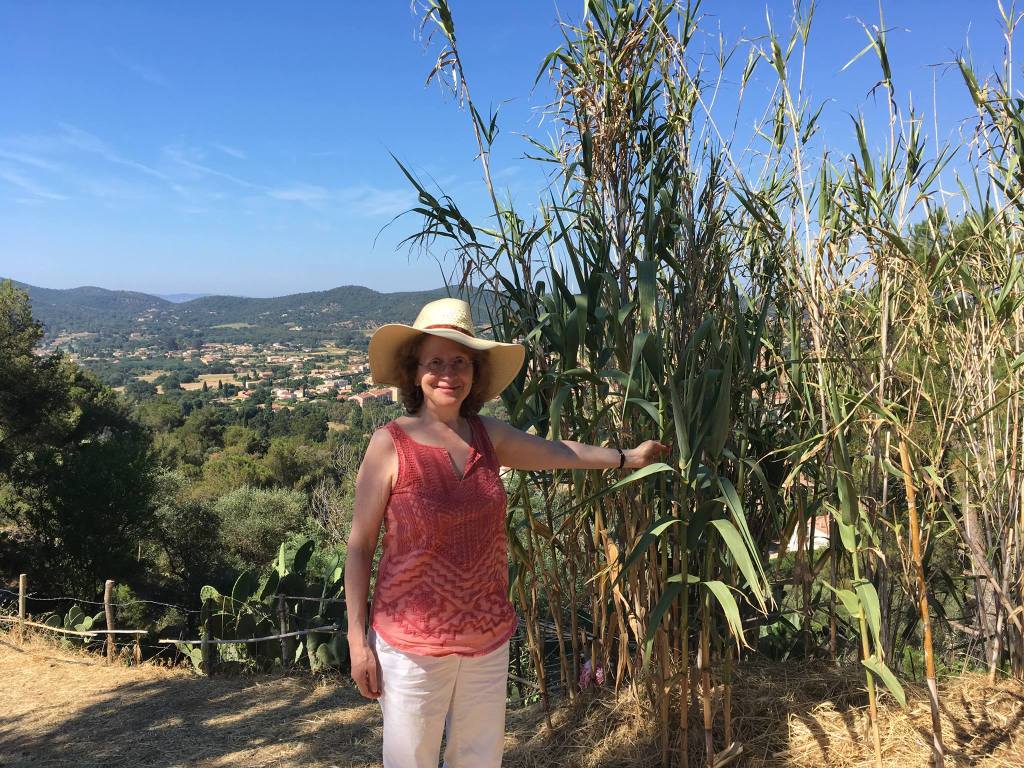
As we rounded a corner, there it was there was-right in front of me- wild Arundo Donax growing on the side of the road! I asked Amanda to stop the car and I jumped out to get a photo!

Arundo Donax is a plant in the grass family and is not directly related to bamboo. Ancient reed instruments used the same material. It is also cultivated for woodwind reeds in Spain, Turkey, China, Argentina and Mexico. Perhaps I also need to travel there!

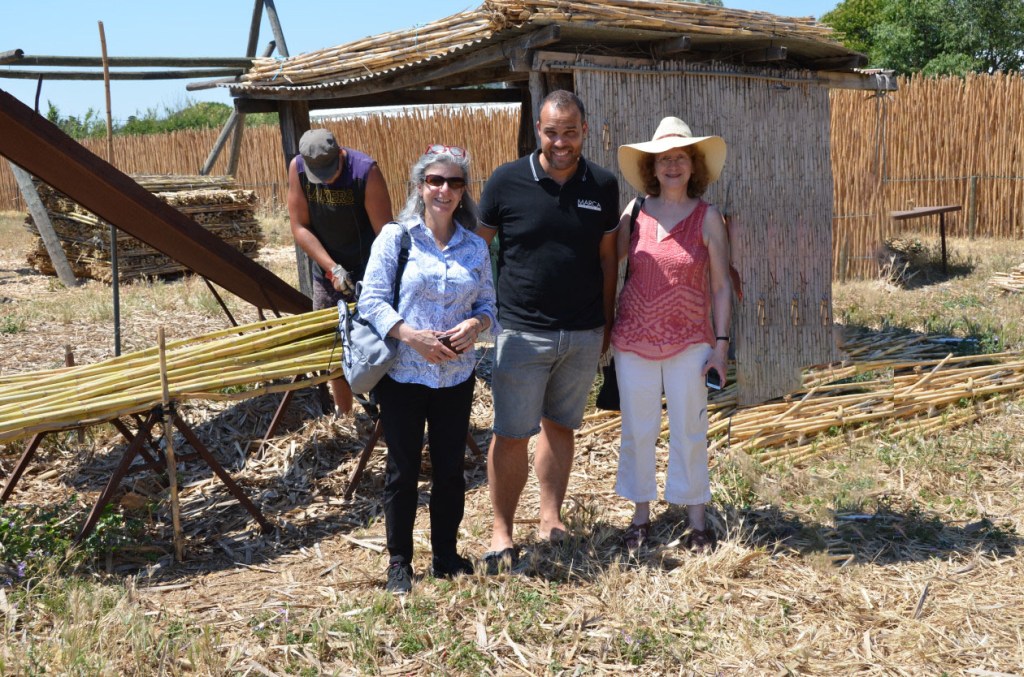
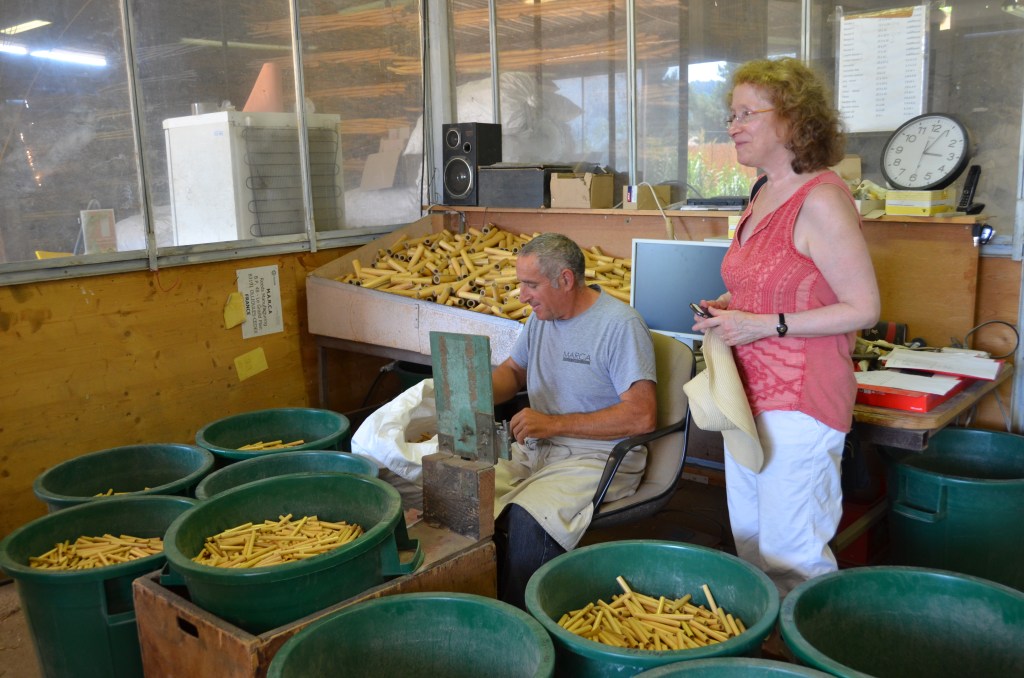
Our first visit was to the MARCA FRANCE cane plantation and the knowledgeable and cordial manager Nicolas Righi explained the process of harvesting, curing and then processing the cane to us.

photo: Jean-Francois Rico

 The stalks are harvested only after 2 years of growth. Harvest time is mid-December through March and is said to take place on the new moon. I came to understand that most of the cane cultivated on the plantations is processed to make clarinet and saxophone reeds. Oboe cane is usually harvested in the wild and the sources are a closely guarded secret! I gently pried a bit to learn about some of the locations and was also gently rebuffed!

The wild cane is not coddled with fertilizers and irrigation, so the resulting diameter of the cane will be smaller; perfect for oboe reeds! I also noticed that cane was often grown next to or close by vineyards; cane and wine seem to like the same soil. The area around Hyeres is also known for excellent rose wines- more on the wine later!

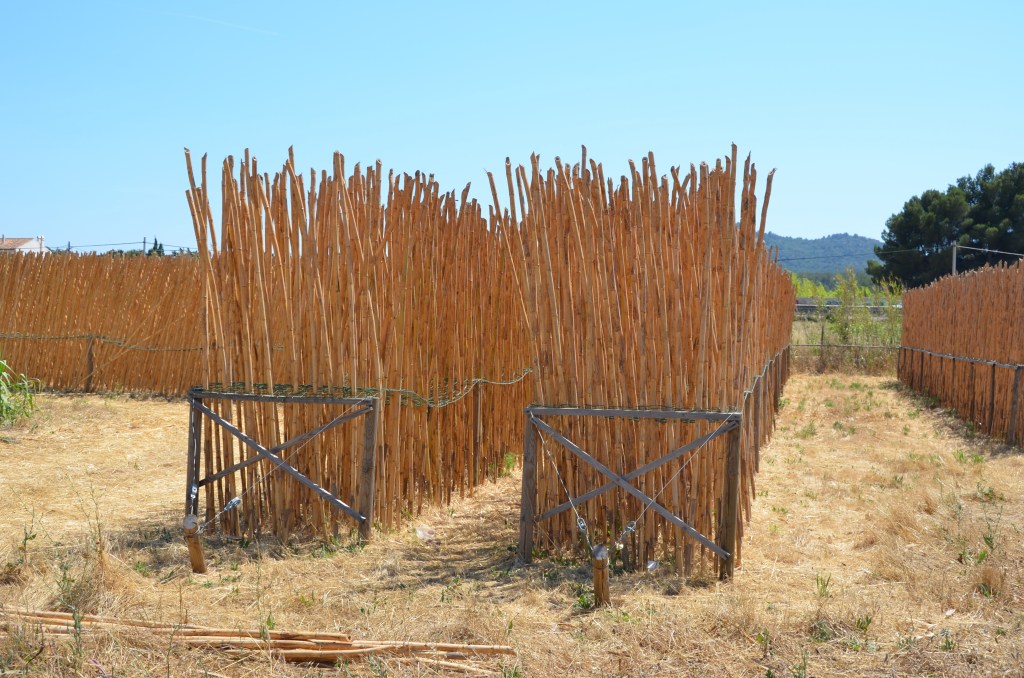
An important but tedious job is sorting the cane by the size of the diameter; a painstaking and precise job.

photo: Jean-Francois Rico

We next visited Rigotti Cane in nearby Cogolin. I was excited to meet owner Daniel Rigotti, as I have used his cane for many years. The company was managed by his father Franco until 2012. Daniel was very gracious and even though it was the middle of a busy work day, he took us to meet his parents. They invited us into their lovely home for tea and cookies and then treated us to lunch at a delightful small cafe. Cogolin is just 15 miles from Saint Tropez, but it is a small un-touristy Provencal village. It was a very hot day; the restaurant was outside under a covered patio. I remember that I was sweating so much I could hardly enjoy my salad of mixed greens with goat cheese toasts. Our gracious hosts offered us glasses of chilled rose; it was a perfect day that I will always remember. I felt that we were truly experiencing and sharing another culture.

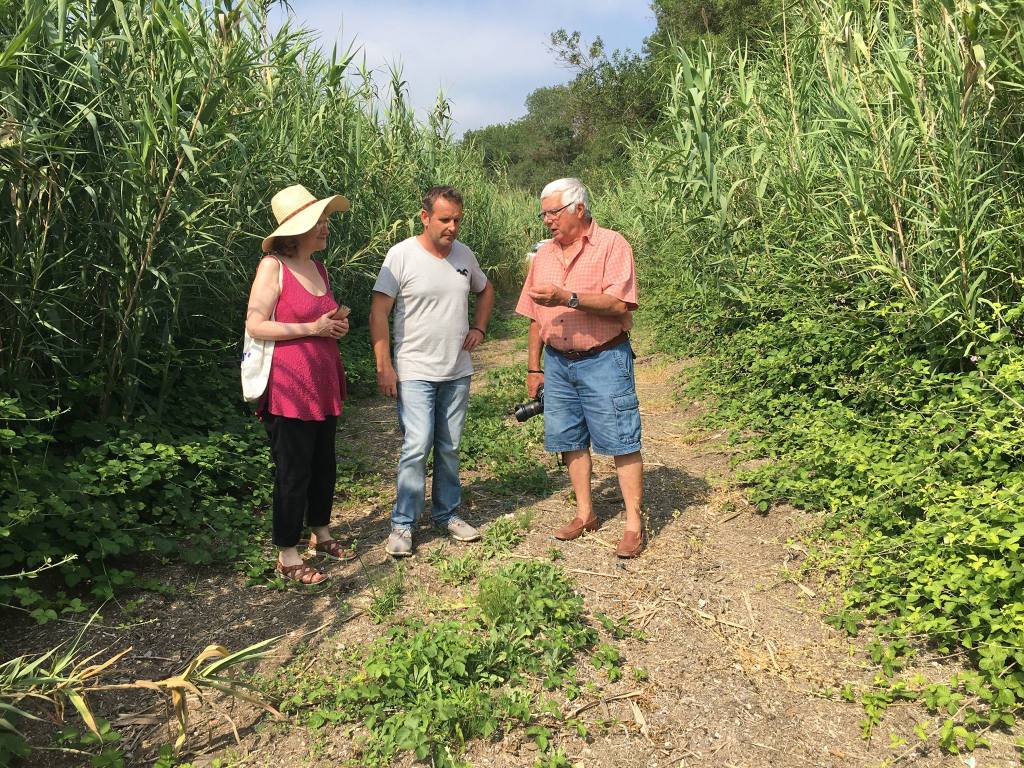
In the cane fields with Daniel Rigotti and Jean-Francois Rico.

We also had the wonderful opportunity to visit the D’Addario Woodwind cane plantation in Hyeres and to meet Philippe Weibel an expert horticulturist.

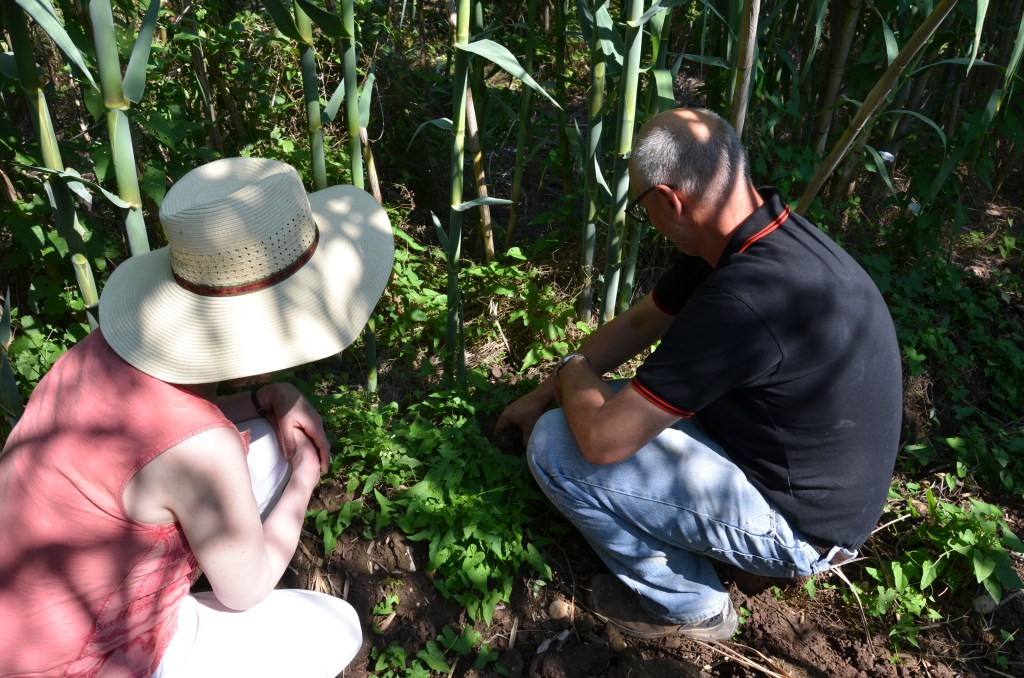
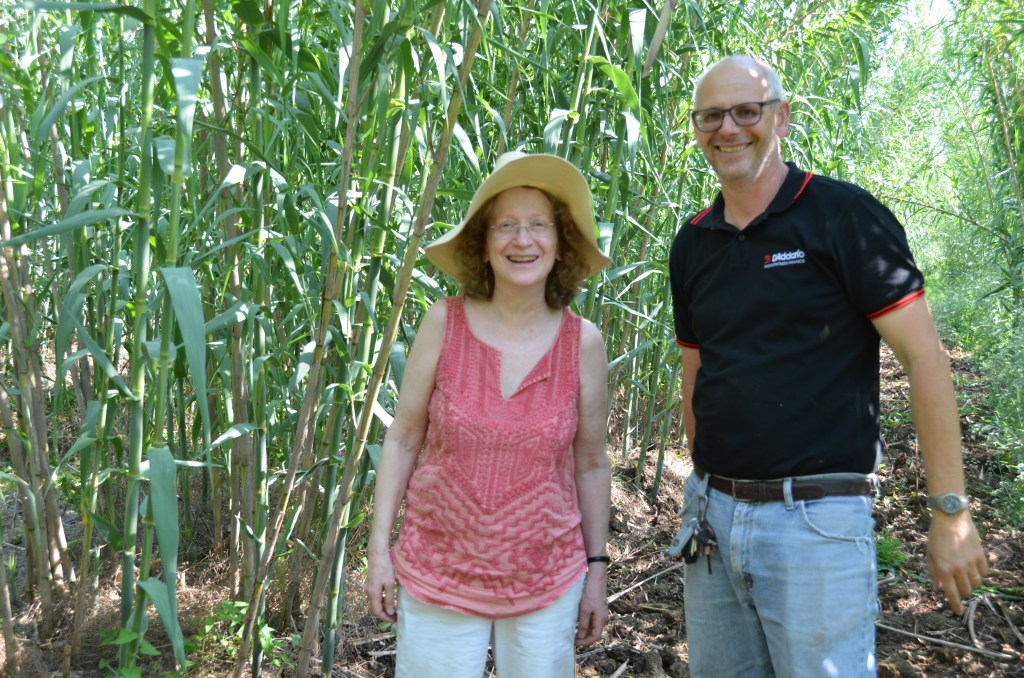
photo: Jean-Frqncois Rico; with Philippe Weibel, D’Addario Cane Plantation

Coming out of the hot blazing sun, I entered a lush and verdant grove of Arundo Donax plants. Surrounded by the giant stalks, it felt as if I was in a humid tropical forest. Philippe jokingly greeted the plants and lovingly described some of the techniques he used to encourage the optimal growth of his charges. He picked up a clump of soil and crumbled it in his hands. He knew by feel exactly what the soil needed. I observed that under his stewardship, the plants grew to be strong and healthy; large in circumference, perfect for clarinet and saxophone reeds, but this would not be used for oboe cane!

Along with bags of tube cane, I had purchased a rather large number of bottles of rose wine and olive oil to take back home as gifts. Before we left the D’Addario Plantation, Philippe made sure to give me expert packing advise to make sure my treasures made it safely back!

The next three days were spent traveling around Provence, including visits to Aix in Provence and Marseille. The main theme for this part of the trip was to visit museums and historic sites including a wonderful visit to the Notre-Dame Senanque Abbey where the monks tend acres of fragrant lavender. This will be part of the next Provence installment: Provence Revisted- Part Two!

Back to the cold snowy winter!

I think a recipe that invokes memories of summer and plenty of sunshine is in order; with a dish that has evolved over a number of years. When our daughter was small, each summer we would travel to Deer Isle, Maine where we rented a house with our dear friends Carol & Hal Ober and their son Matthew. After a day of swimming and hiking on the island, we always made dinner together. This would also sometimes involve a Blueberry Pie that we got from one of our favorite restaurants, The Fisherman’s Friend in Stonington, Maine. With the freshest ingredients purchased from roadside stands, we often put together a casserole that included eggplant, tomatoes, plenty of garlic and maybe also some zucchini and parsley. Topped with some bread crumbs and a bit of feta cheese, it was delicious! I believe it was Hal who first coined the phrase, “Here is a little dish I like to call Eggplant Provencal”!

The other day, I got firm fresh eggplant and a bunch of organic parsley in my coop order. I cut the eggplant into thick slices, placed it in a strainer and sprinkled it with salt to remove any bitterness.

Good tomatoes are nowhere to be found now, but a large can of whole peeled tomatoes cut into chunks, substituted nicely! After I rinsed and patted the eggplant slices dry, I added just a bit of olive oil to lightly coat the pieces and broiled the eggplant until it was golden brown and crispy. I layered the eggplant and tomato sprinkled with chopped garlic and parsley. I topped the dish with breadcrumbs and olive oil and baked the casserole covered with foil wrap for about 40 minutes until the eggplant was soft. I removed the foil and baked the dish a bit more until the top was nicely browned and the juices were bubbly.

This is a perfect dish for the middle of the winter- served with a crusty baguette and a glass of rose; we can dream of warmer, safer days!!

“A Little Dish I Like to Call: Eggplant Provencal”

Ingredients:

1 firm large eggplant

1 large can whole tomatoes

3 cloves garlic finely chopped

2 tablespoons parsley finely chopped

olive oil

1/2 cup breadcrumbs

salt and freshly ground pepper to taste

* If you have capers or pitted black olives on had, this might be nice to add.

To Make Eggplant:

Pre-heat Broiler

Slice eggplant into thick slices and place in a colander. Sprinkle with salt. Let sit for 10 minutes. Rinse and lay on a few sheets of paper towel and pat dry.

Place eggplant on a baking sheet and lightly coat with olive oil.

Broil each side until browned and slight softened.

Pre-heat oven to 375 degrees.

Place half of tomatoes on bottom of a medium sized casserole dish.

Layer eggplant on top and sprinkle with the garlic.

Season with salt and freshly ground pepper to taste.

Add remaining tomatoes with their juice on top and sprinkle on the parsley.

Sprinkle top with bread crumbs and pour about 2 tablespoons of olive oil on top.

Cover tightly with foil and bake about 40 minutes until the eggplant is very soft.

Remove cover and bake about 10 minutes more until top is nicely browned.

Let the dish sit for about 10 minutes and ENJOY!!

This is also great the next day!

As I write this, the wind is howling outside and our latest Nor’easter is almost finished.

STAY SAFE AND WARM!!