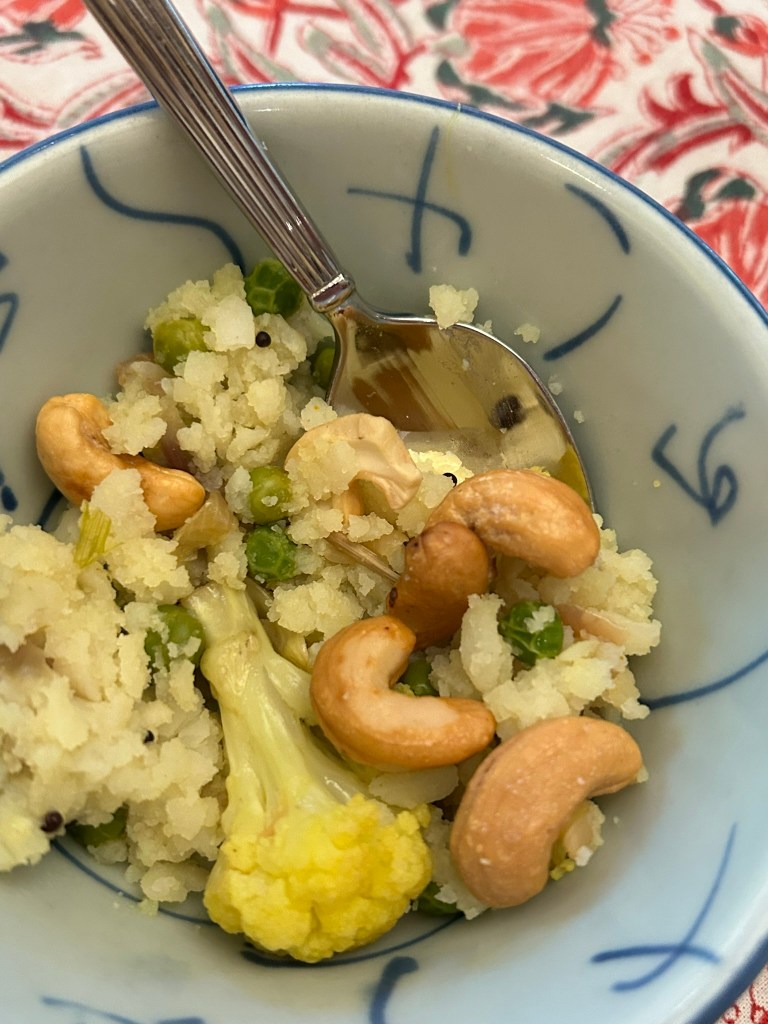
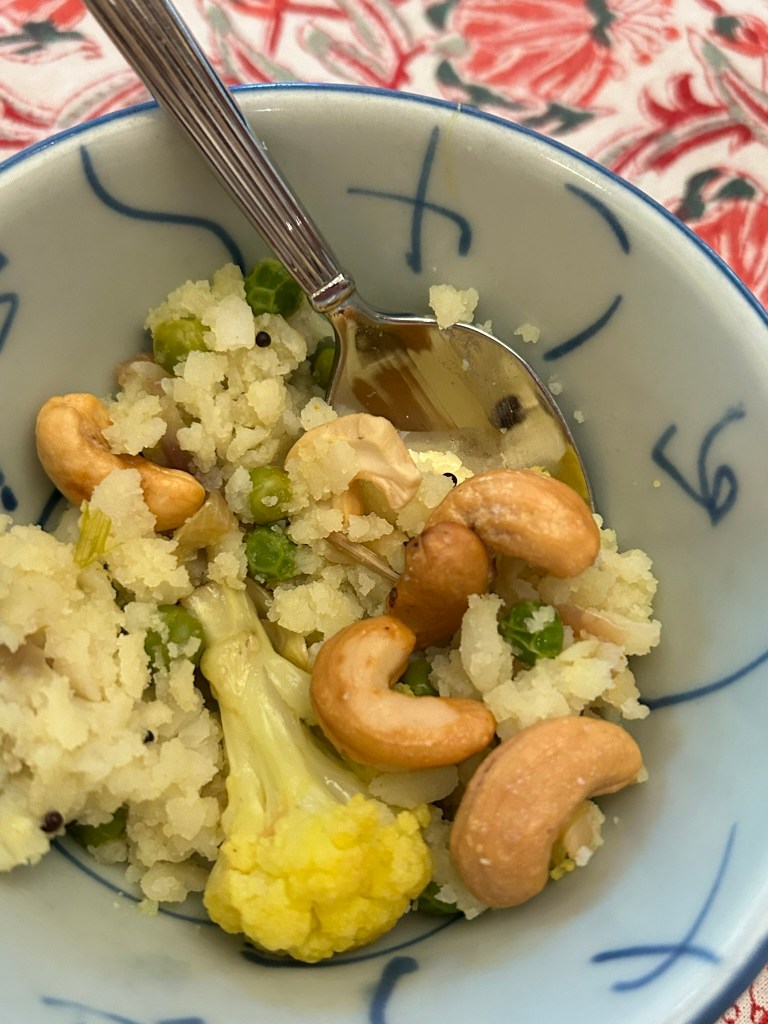
Whenever we have the opportunity to visit our dear friends Carmen and Pramila in Toronto, they treat us to many cultural and culinary delights. Toronto is a wonderfully diverse city with many excellent ethnic restaurants and these two retired Sociology professors are tireless, energetic and excellent guides! They always take us to different neighborhoods and museums. On our trip this past summer, we concentrated on food, specifically Indian food and were also the lucky recipients of Pramila’s excellent Indian home cooking. On the first morning of our visit, she prepared a delicious breakfast dish made with dried rice flakes, called Poha. Seasoned with black mustard seeds, fresh curry leaves and a small amount of chile peppers, the dish awakened our senses. We were ready for a day of exploring.
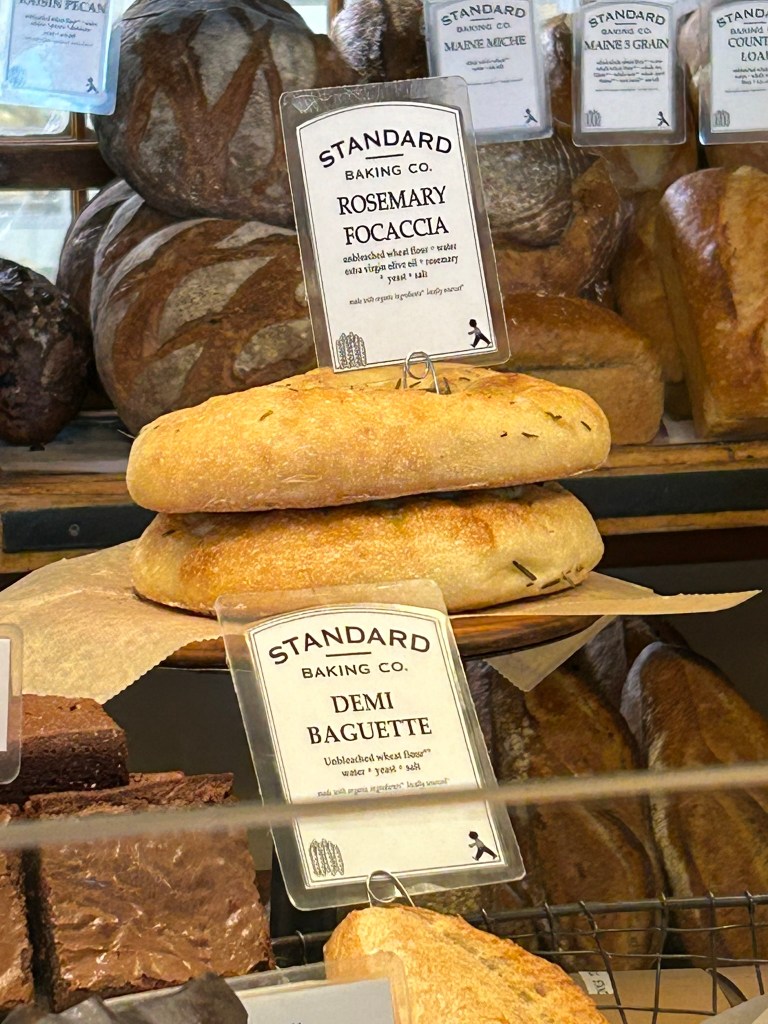
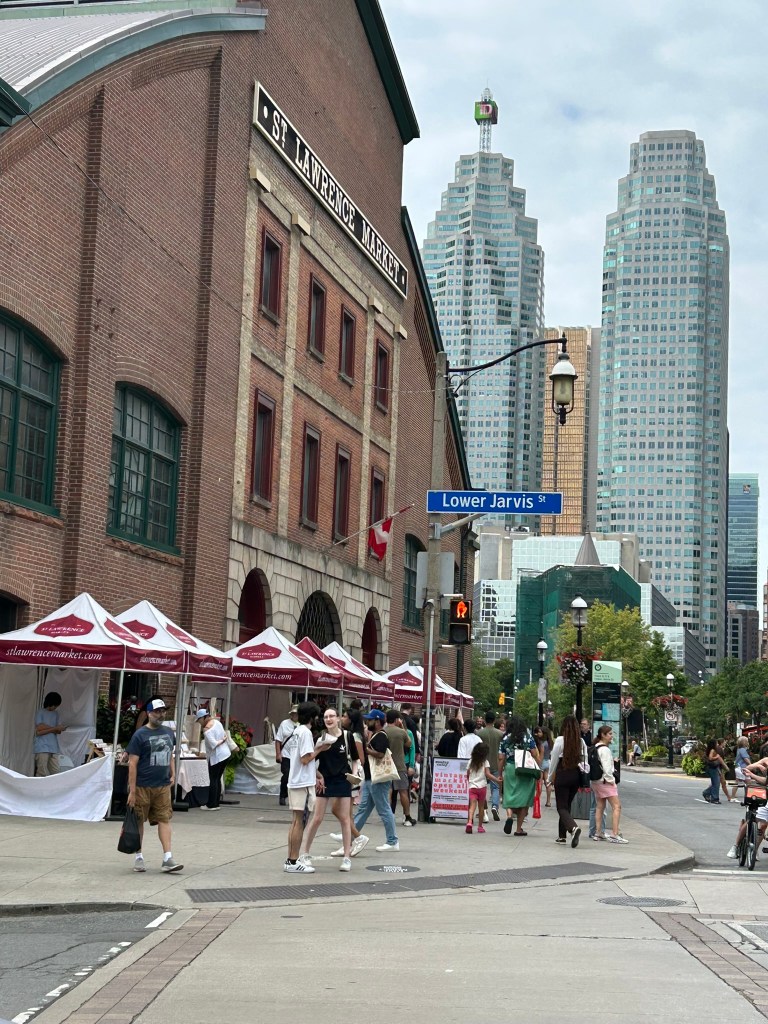
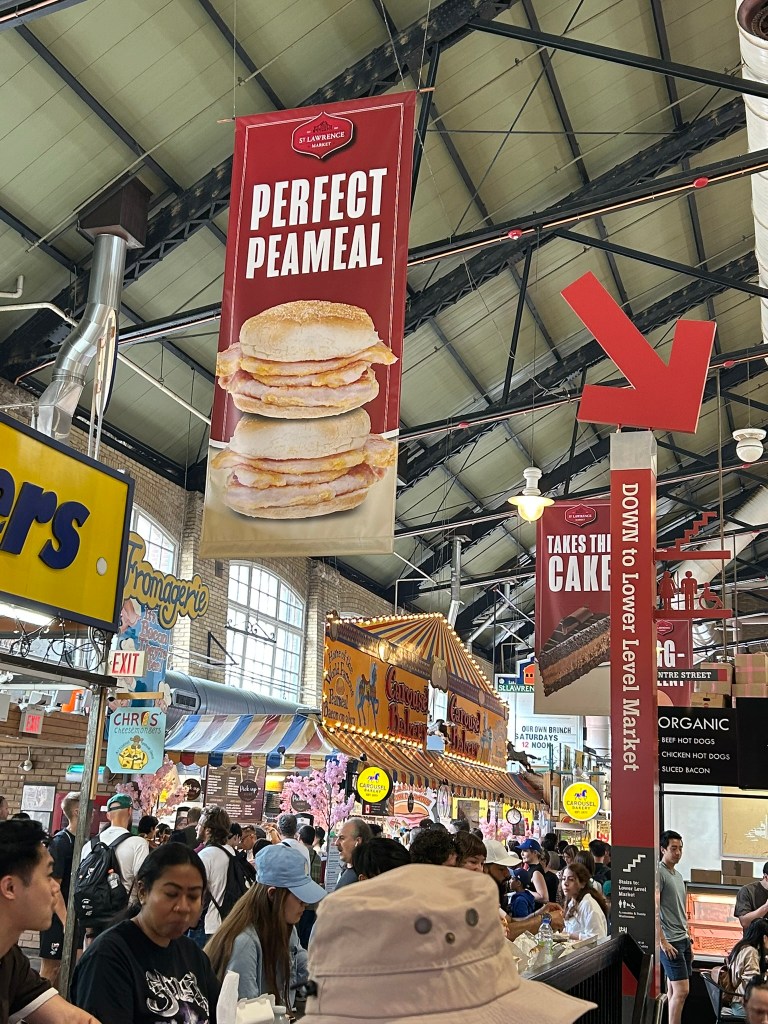
We first went to the bustling Saint Lawrence Marketplace where there was an incredible assortment of fresh local food ranging from fruits and vegetables, meat, fish, cheeses, spices, olives, coffee, bakeries and artisanal breads- even Toronto bagels!
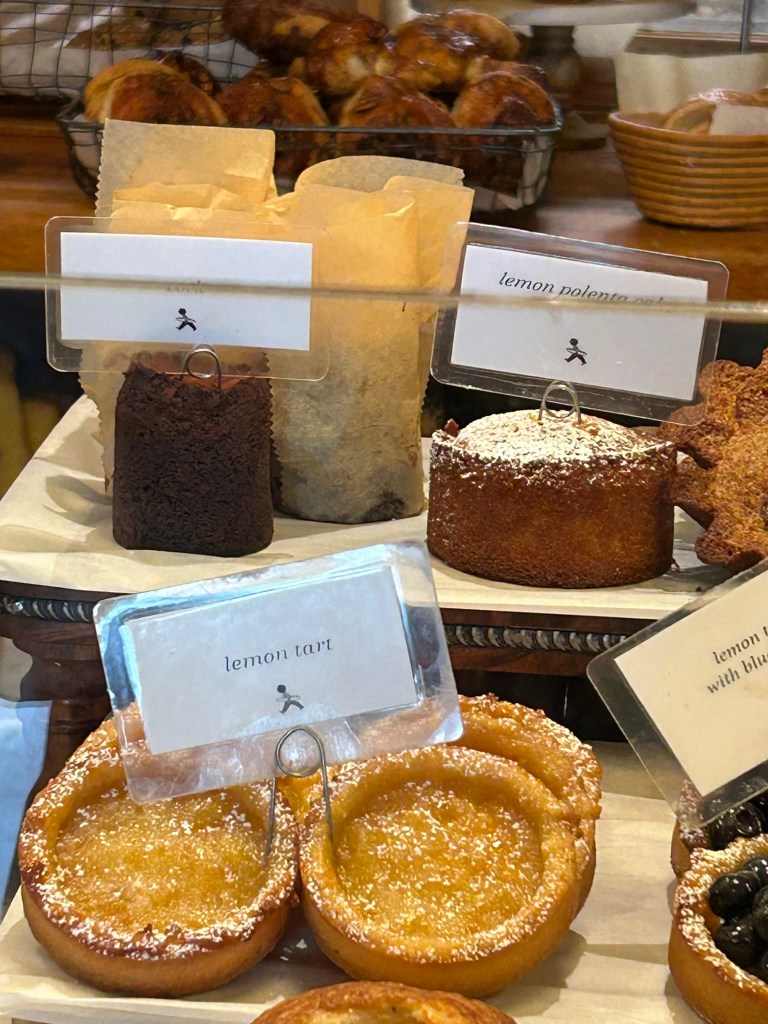
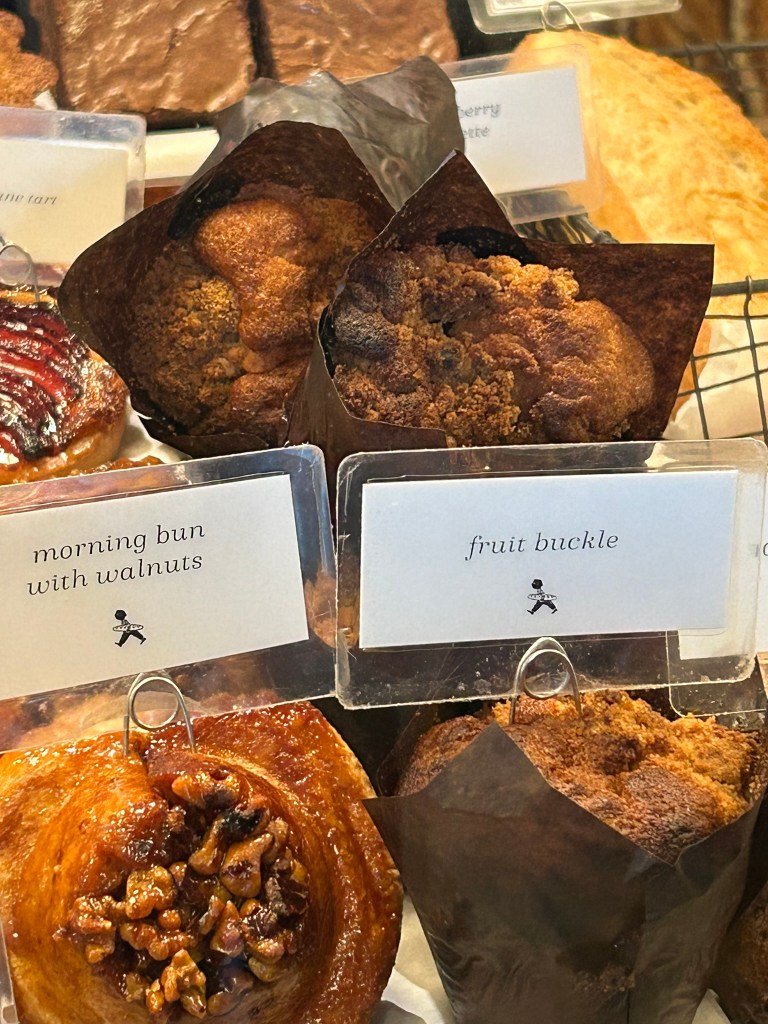
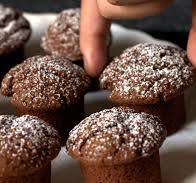
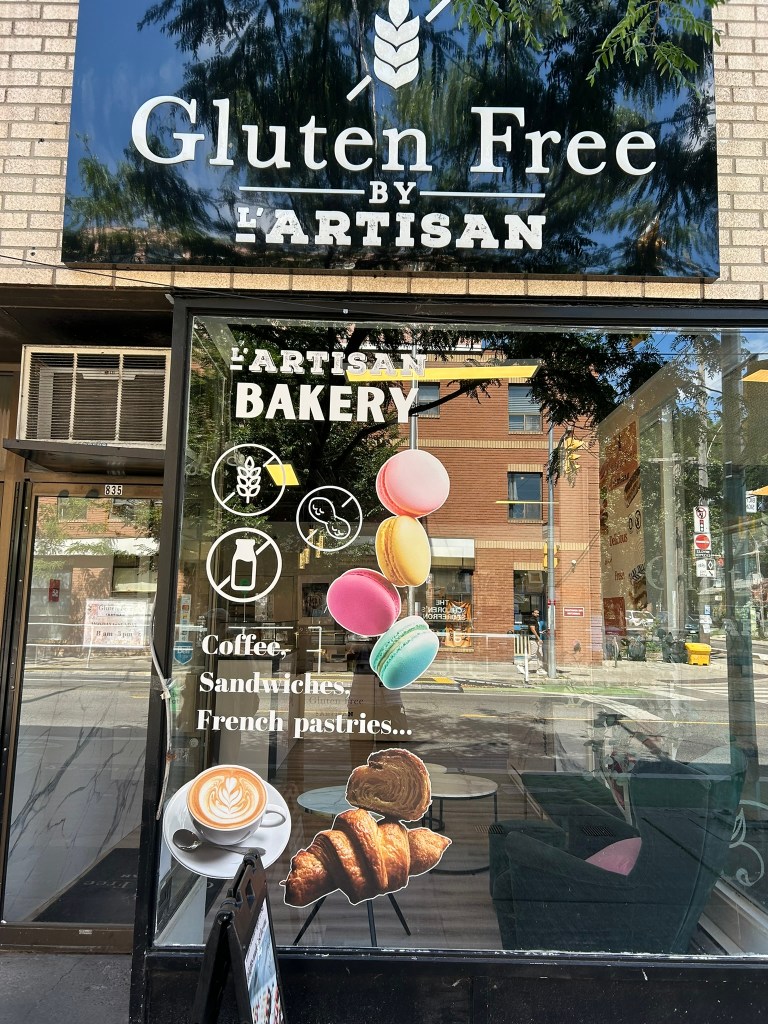
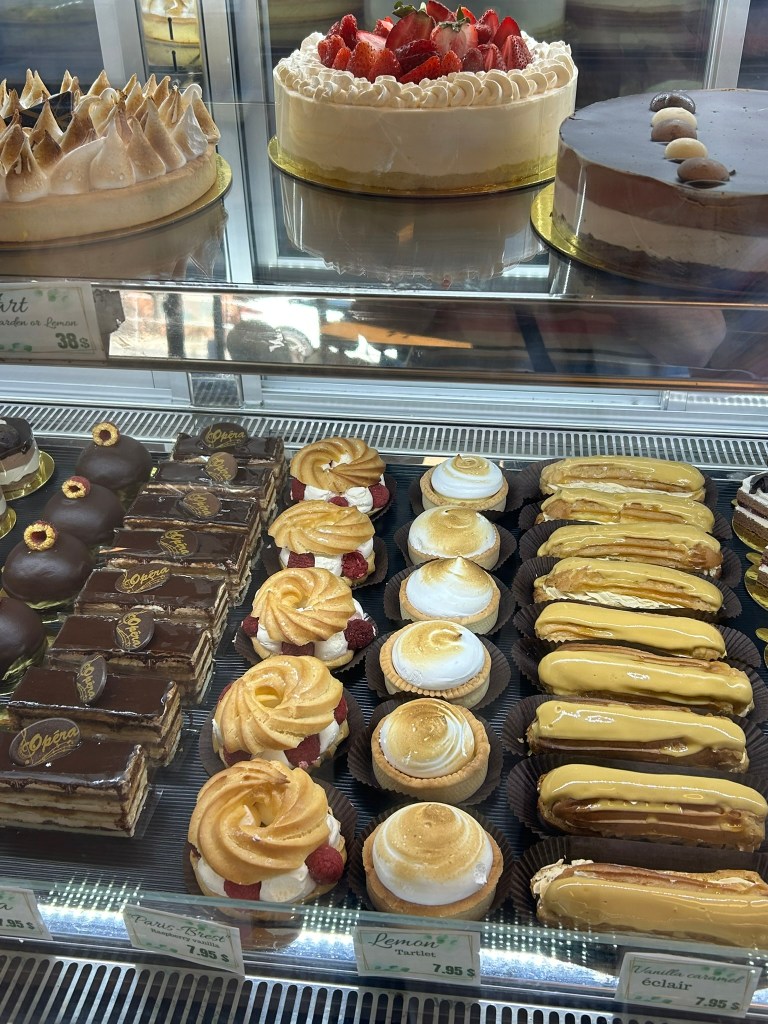
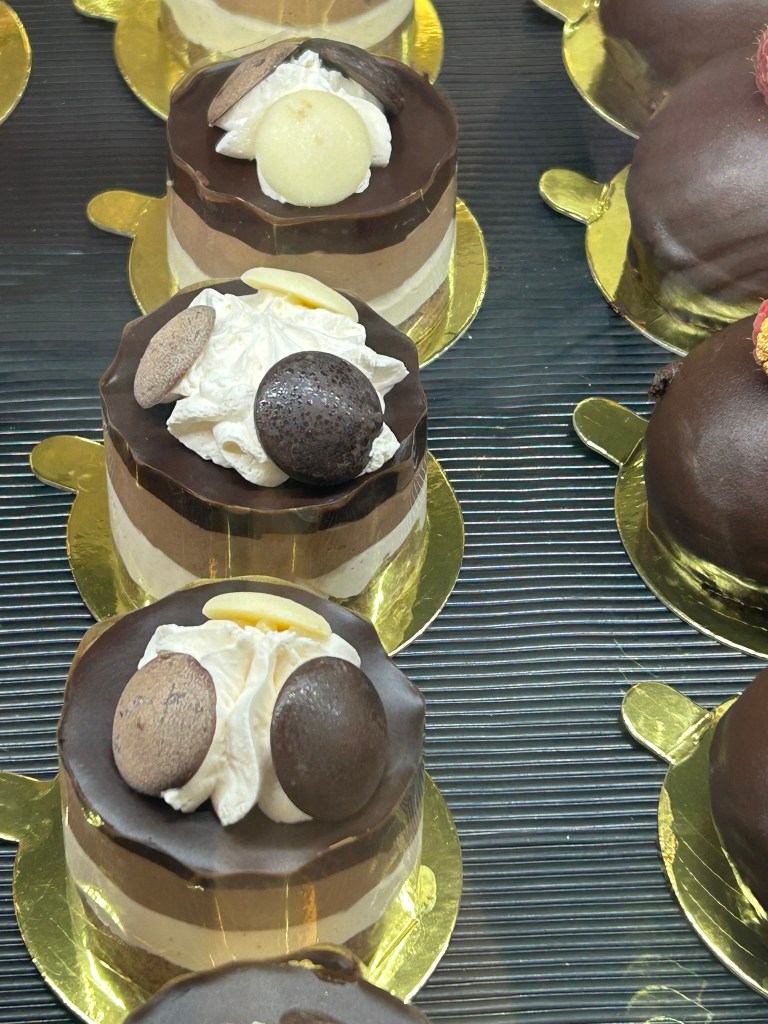
Carmen took us to one of his favorite bakeries that specializes in gluten free French pastries.
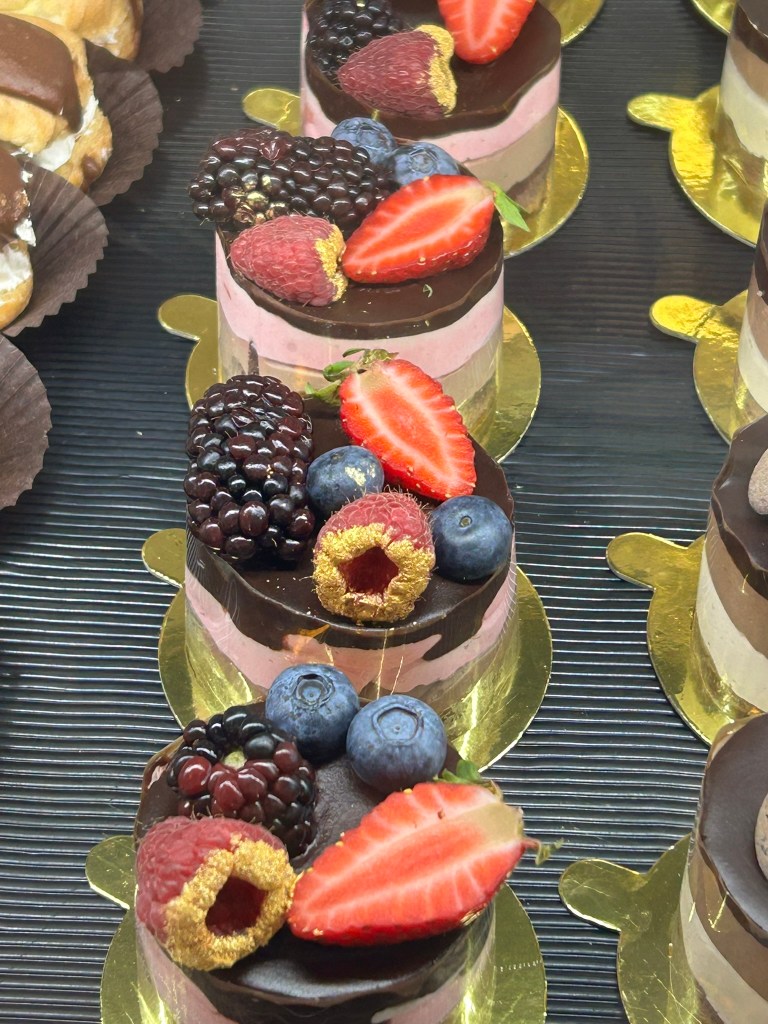
The pastries were so beautiful- small works of art!
One afternoon I had the wonderful opportunity to meet and play with the extraordinary jazz and classical guitarist, Brian Katz. it was a great pleasure to spend a few hours reading pieces and improvising!
We started to communicate online last spring when guitarist and composer Ralph Towner passed away. Ralph Towner played in the long running and eclectic group Oregon, with jazz oboist Paul McCandless. In a serendipitous set of circumstances Brian found one of my blog posts about my meeting with Paul McCandless a few years ago: https://musicianstravels.com/2023/04/11/spring-in-sonoma-music-and-foodie-explorations-part-1/
Brian sent me an email asking if I had contact info for Paul- he wanted to send condolences to Paul about Ralph Towner’s passing. We realized in a few email messages that we had both known and worked with Marta Sanchez who was a master teacher, a consummate musician, a creative thinker and a visionary. She founded the Dalcroze Eurhythmics Center at Carnegie Mellon University. And, we discovered few more “it’s a small world” coincidences, Dan knew Carmen and Pramila and was also close friends with Dan Yashinsky, an incredible Toronto based story teller, writer and community organizer! They had all spent last New Year’s Eve together!
The next day we met Dan Yashinsky and his lovely partner, dancer and choreographer Anne Marie Cabri for dinner.
Annemarie Cabri is a Canadian performer, choreographer, and the Senior Teaching Artist at the National Ballet of Canada. In 2022 she began collaborating with storyteller Dan on a series of danced stories that evolved into the “becomings” project.
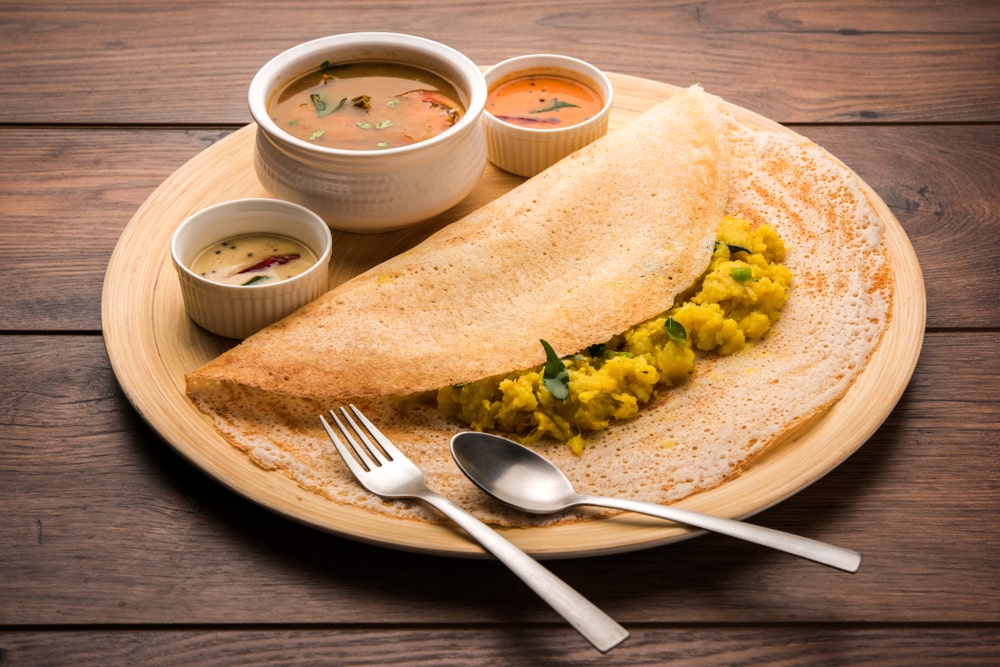
We enjoyed excellent Dosas at Madras Masala. We sat outside on the restaurant’s cozy patio and were served very generously sized crispy dosa with various fillings of potatoes and curry chicken served with spicy sambar and coconut chutney. I also ordered Vegetable Kofta Curry- tender dumplings simmered in a rich tomato and ground cashew sauce.
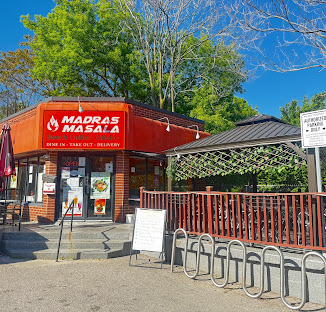
It was a memorable evening- savoring the wonderful rich, spicy flavors of the food and talking to our heart’s content with such lovely fascinating people!
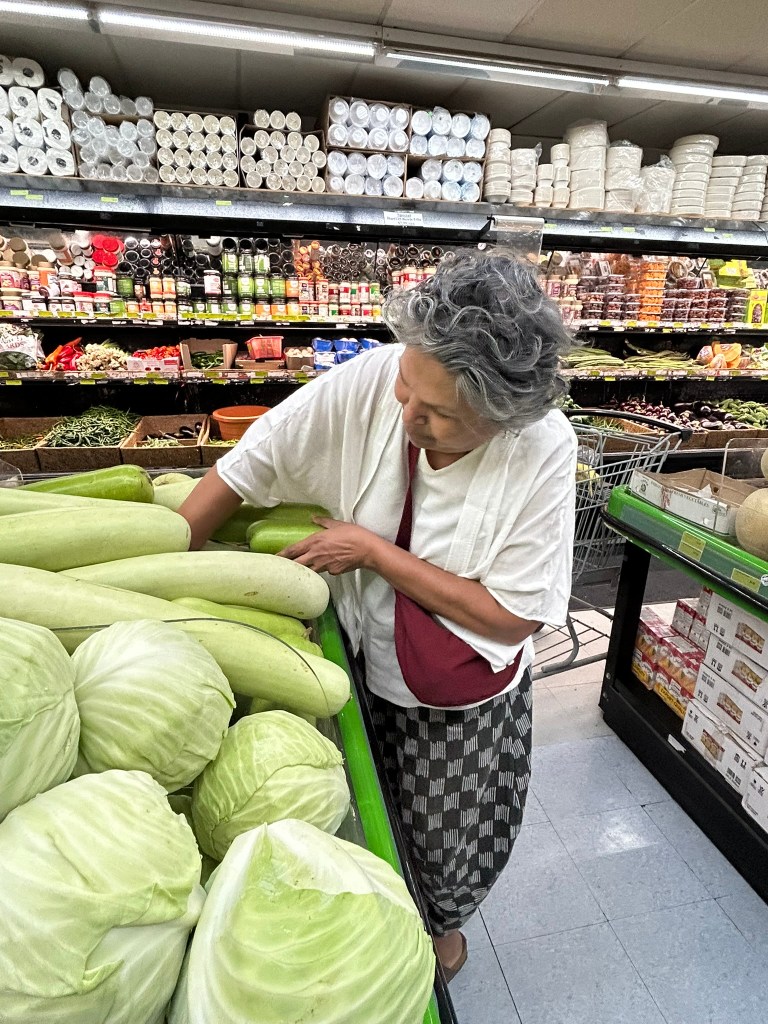
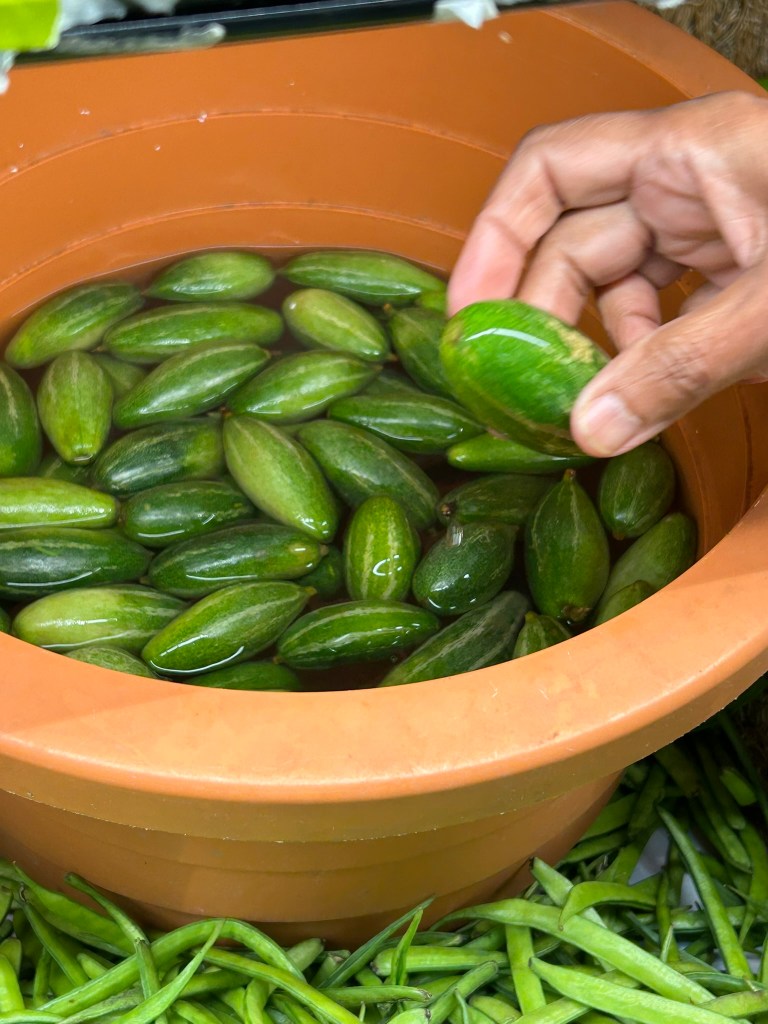
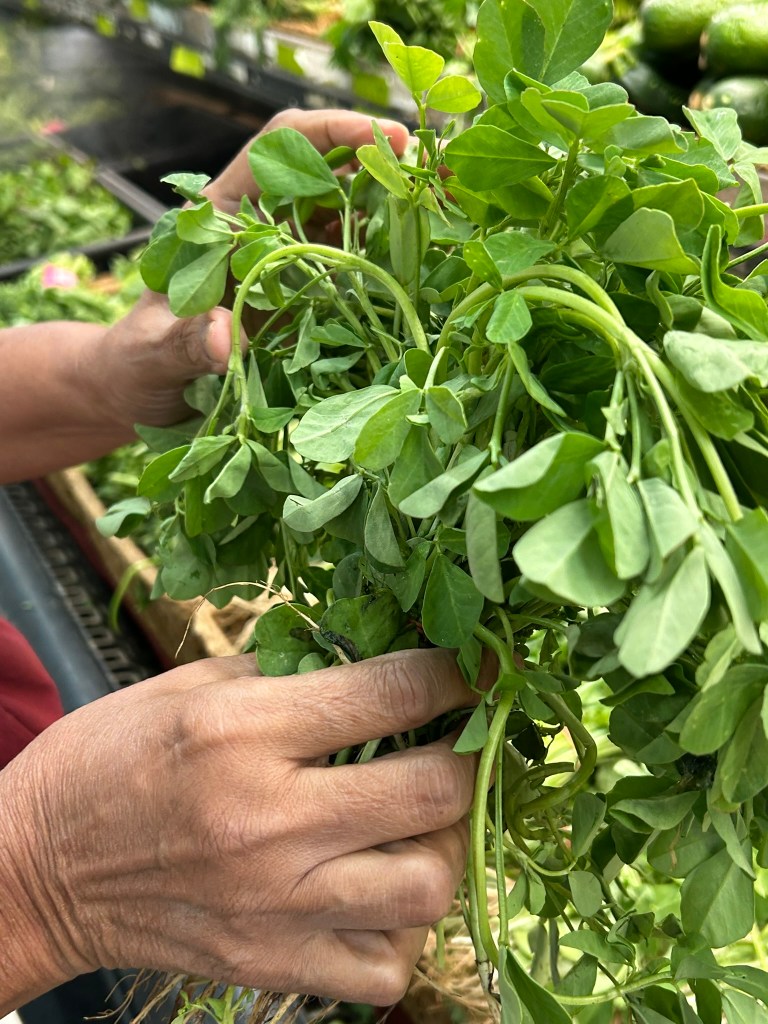
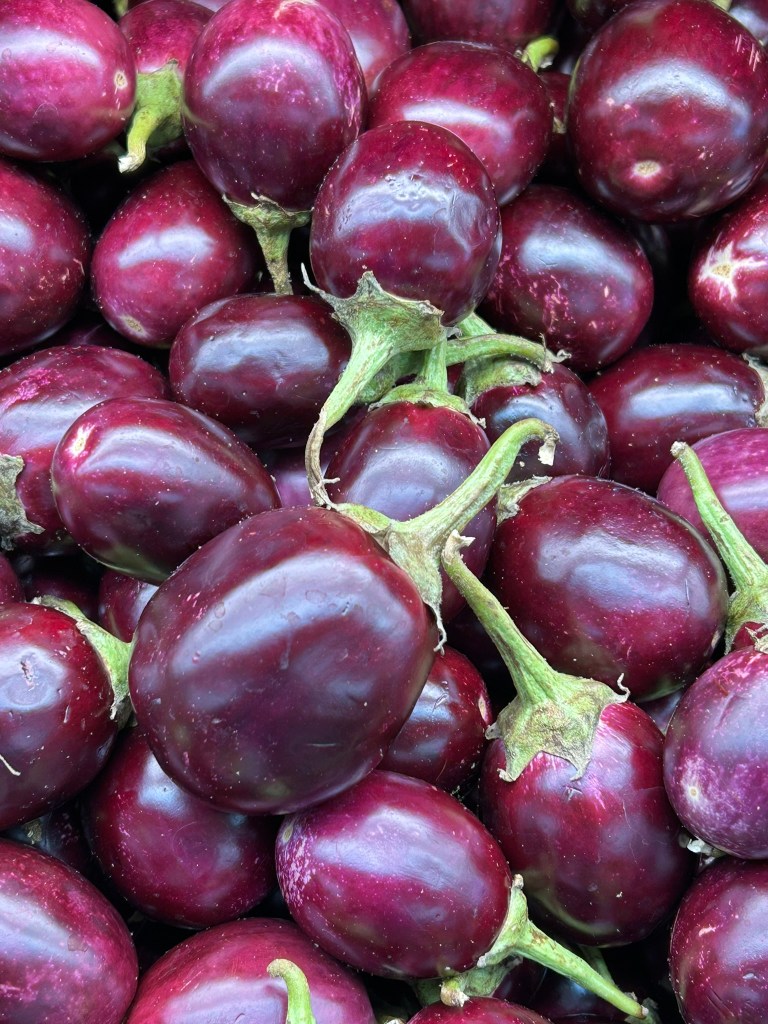
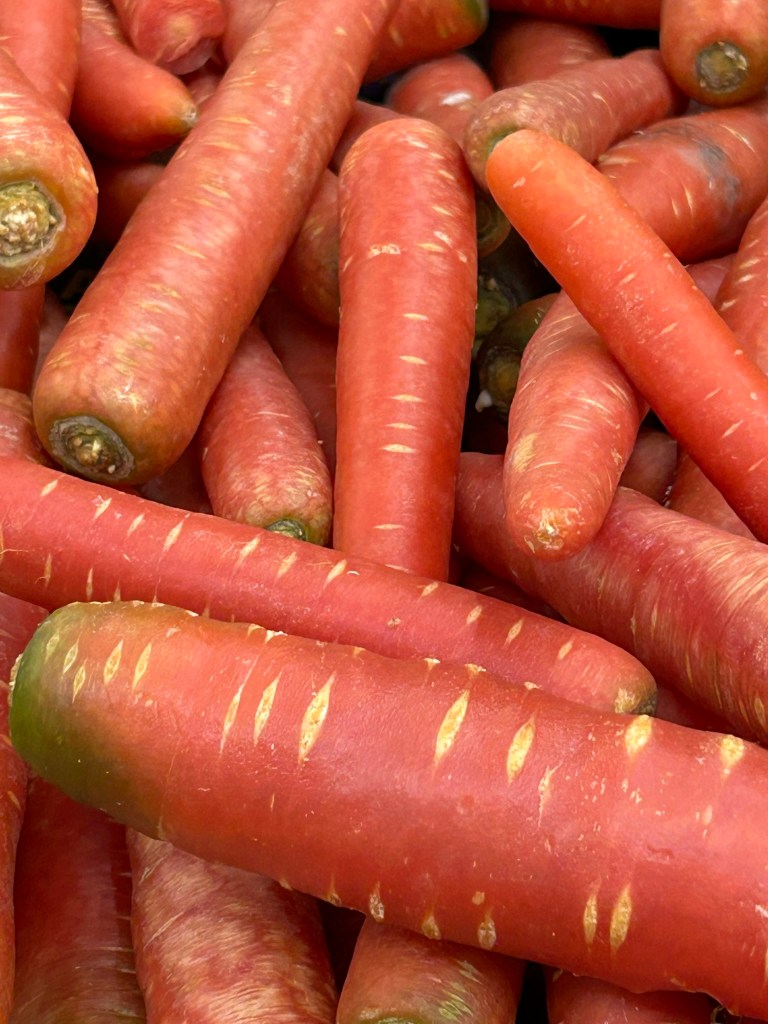
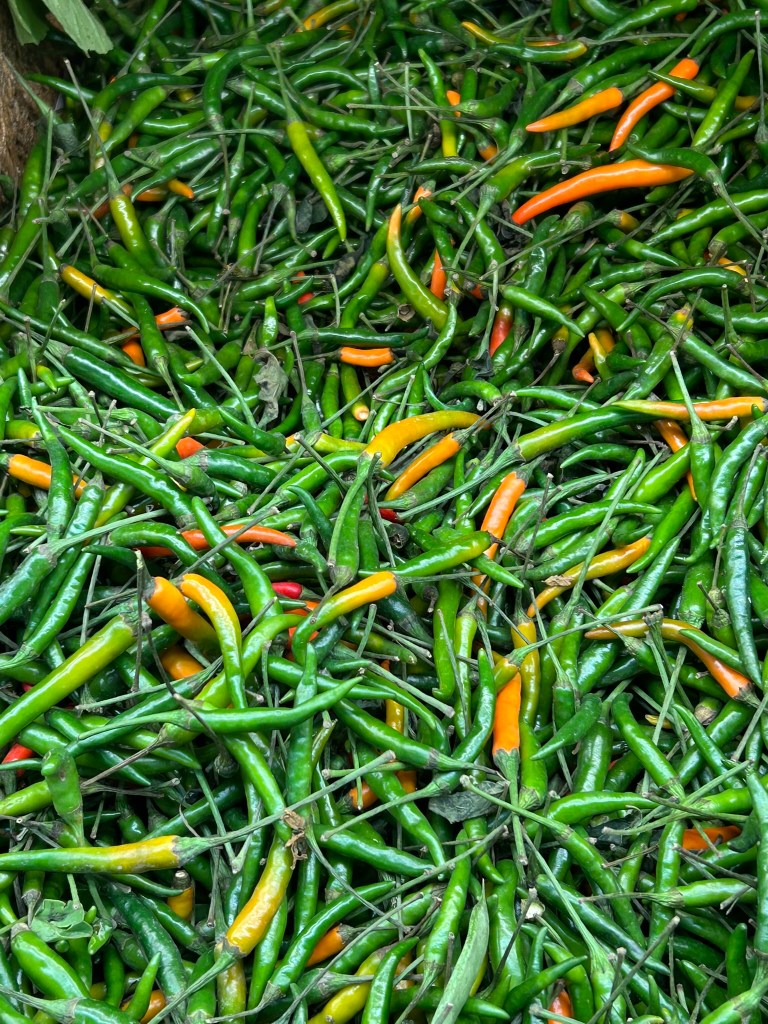
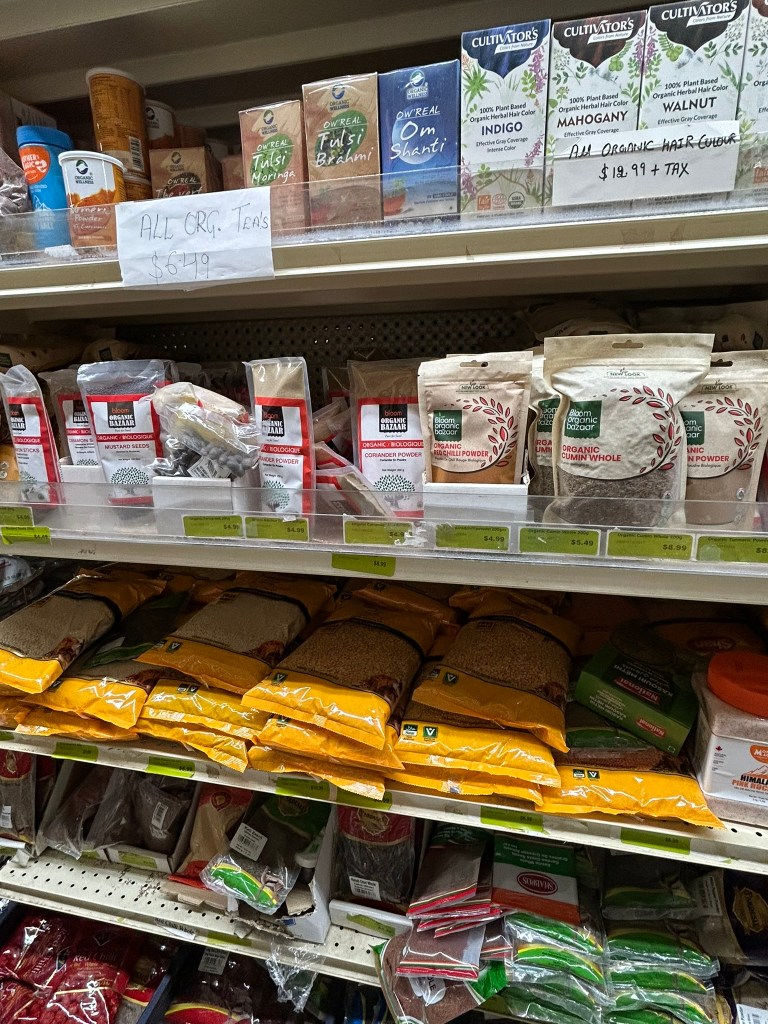
Pramila took me on a shopping expedition to one of her favorite Indian grocery stores. I loved watching her peruse expertly through the different vegetables, spices and other ingredients. She showed me different spices and dals that I was not familiar with- excited with new knowledge, I purchased way too much. I also got a big bag of fresh curry leaves to keep in my freezer!

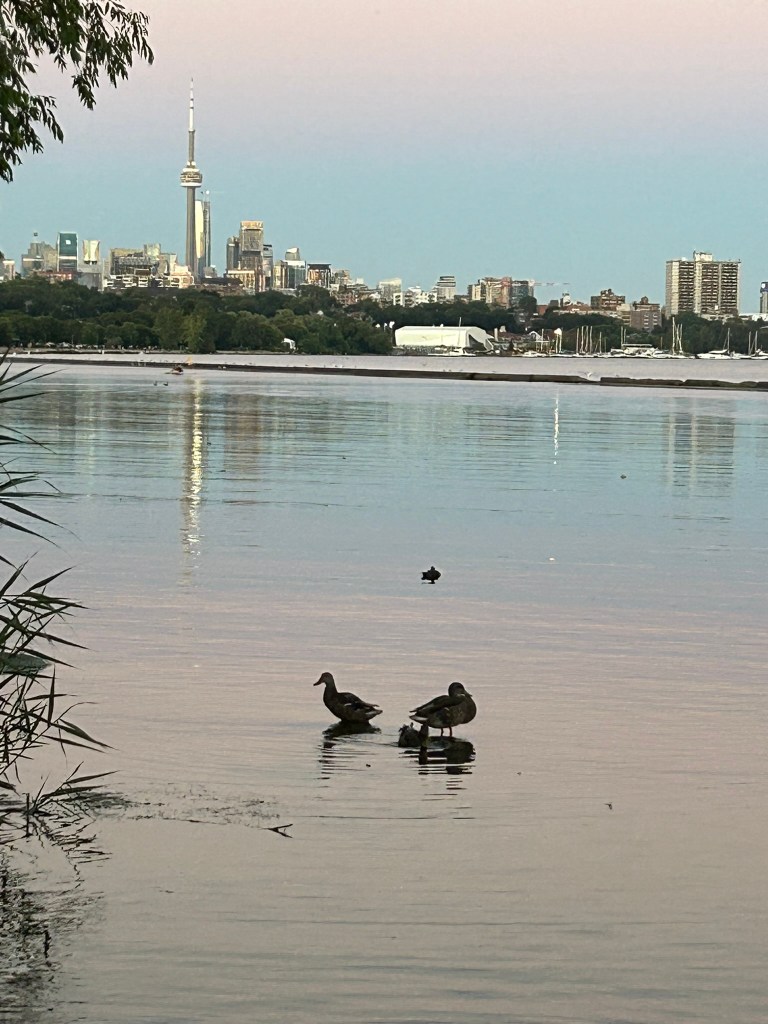
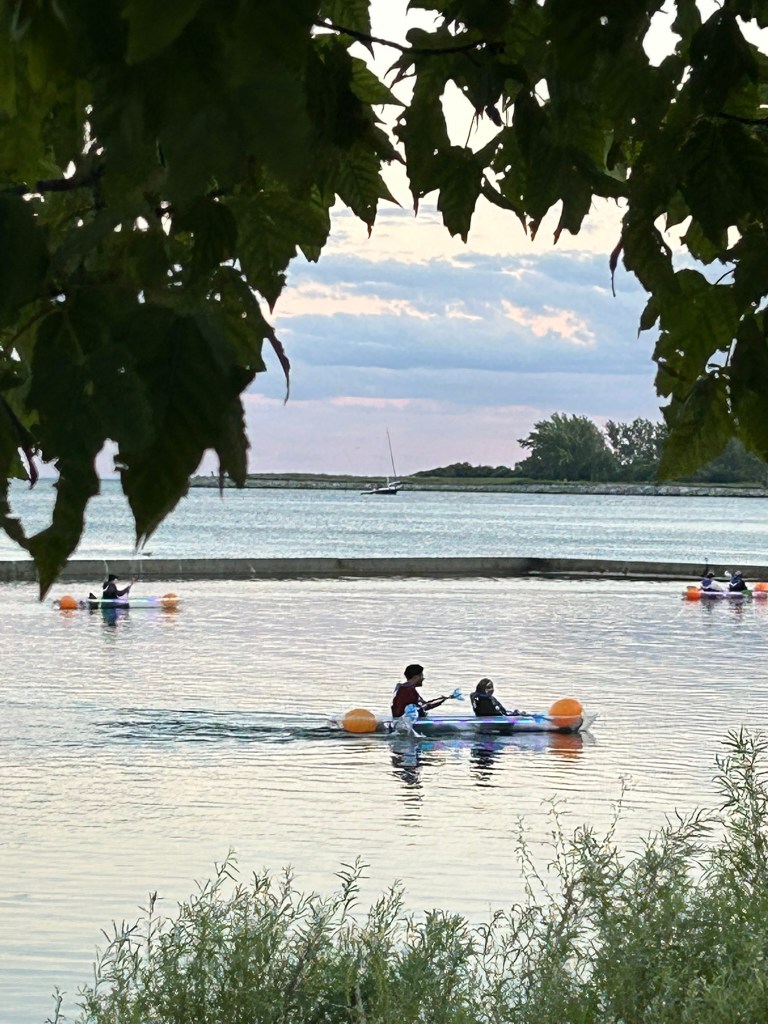
Each evening we took leisurely walks at the waterfront promenade on Lake Ontario. It was relaxing and lovely to watch children and young families playing and strolling through the park as the sun set slowly over the Toronto skyline.


On the last morning of our visit, Pramila made us one more breakfast treat, pressed Gobi sandwiches made with her antique handheld sandwich press.
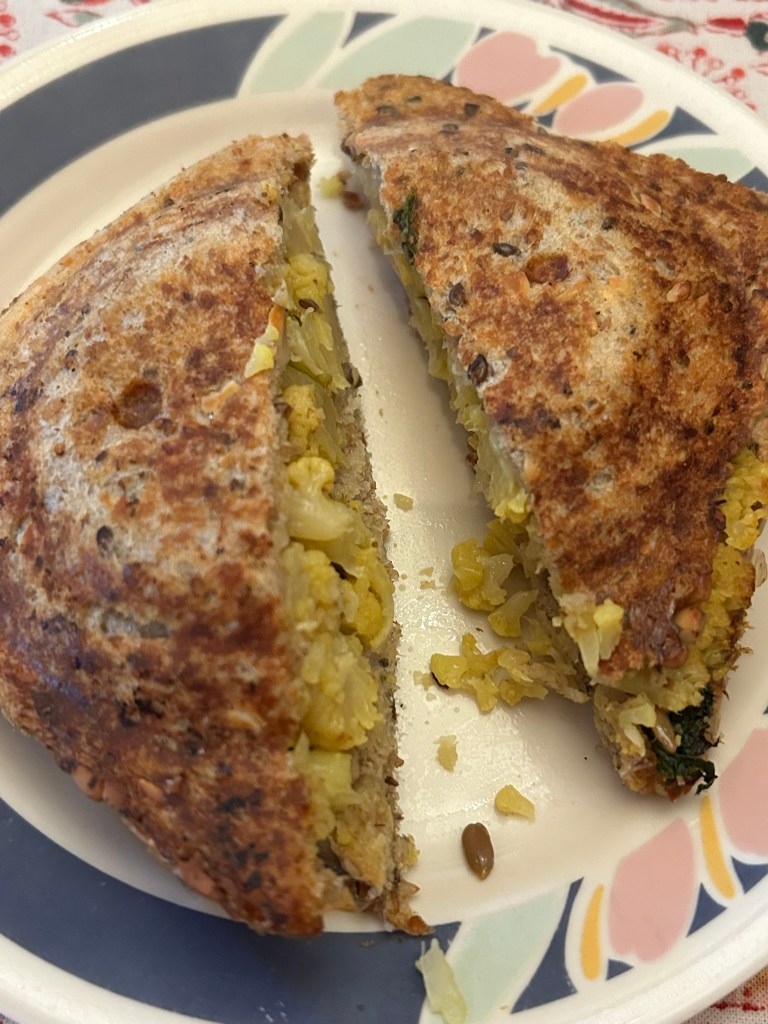
Filled with leftover spicy cauliflower from dinner, they were crispy, savory and irresistible!
We took two days to drive back home and stayed over in Ithaca, New York, a wonderful small college town in the Finger Lake section of New York State. We stayed at an historic inn called, The Rogue Harbor Inn. It was slightly worn around the edges with a fascinating history.
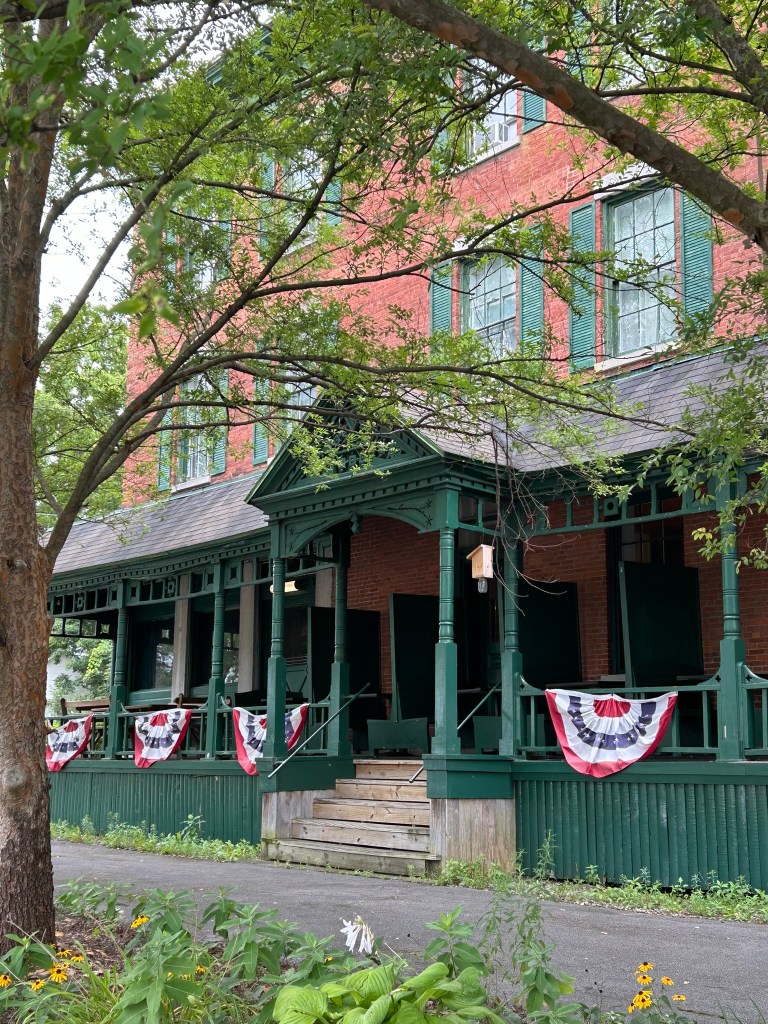
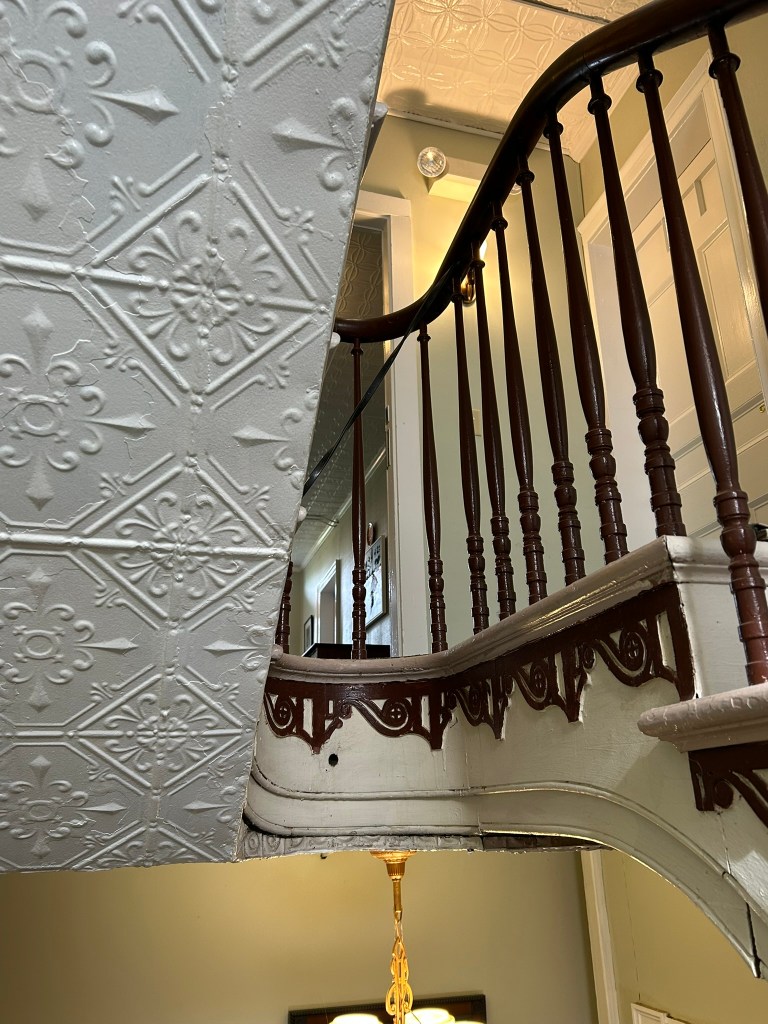
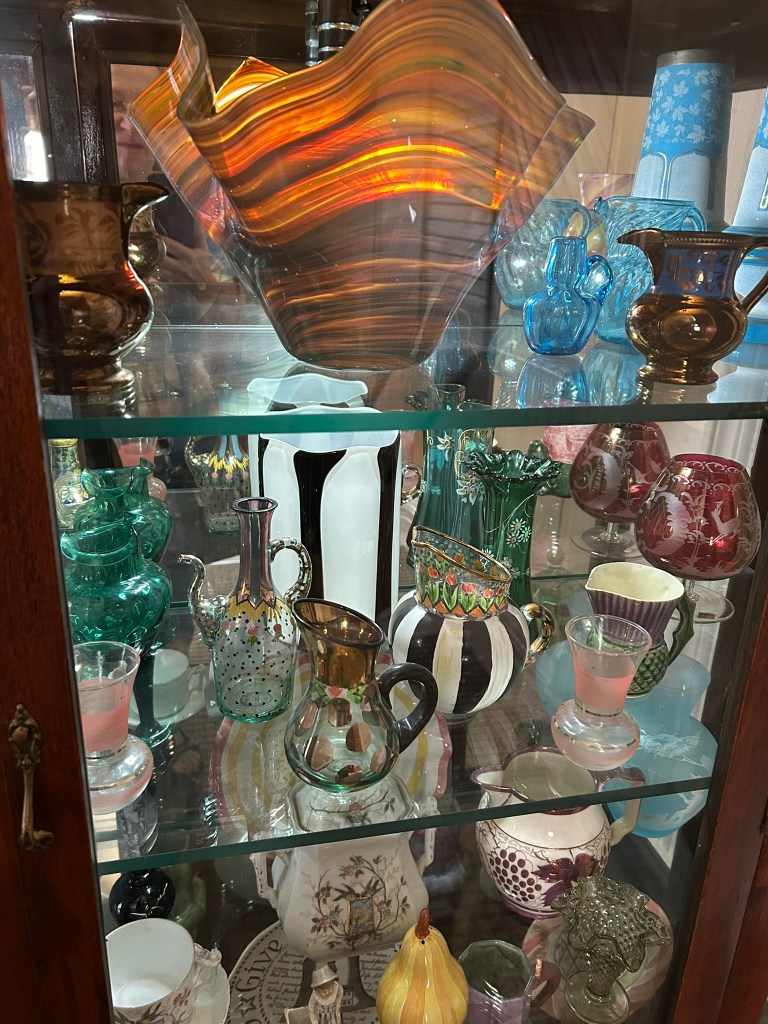
First named the Central Exchange Hotel, Rogues Harbor Inn & Restaurant was built in 1830 by General Daniel Minier.
From Our History of the Hotel:
“William Miller, a later owner of the inn and restaurant, renamed it the Elm Grove Hotel in 1890 for the row of beautiful elm trees planted in front of the inn. At that time it was a stopping place for horse thieves and other no-gooders. Rogues Harbor, or the Harbor, received it’s current name shortly thereafter, around 1900, when it is said that a patron in high spirits climbed to the roof of a nearby building, and hurling a bottle of whiskey against the brick, proposed a toast, “here’s to a harbor of rogues.”
Tall tales abound inspired by the capers that occurred in the inn and restaurant. One such story is from 1935 when William Miller came to visit the current owners of the inn, The Blanchard family. He told the family that when he was renovating the building he found large sums of counterfeit money in the attic. Some years later, the dyes for printing the money were found in a nearby house. Another is that the Blanchard’s had a blue parrot that sat on the porch asking restaurant patrons, “Would you like a cold cup of tea?” If the reply was yes, the proprietor would bring a teapot of whiskey up from the cellar. And finally, the story most talked about is that of Ruloff, a notorious murderer, who was captured and confined in the building’s basement since the county jail was full.”
A wonderful end to a great trip!
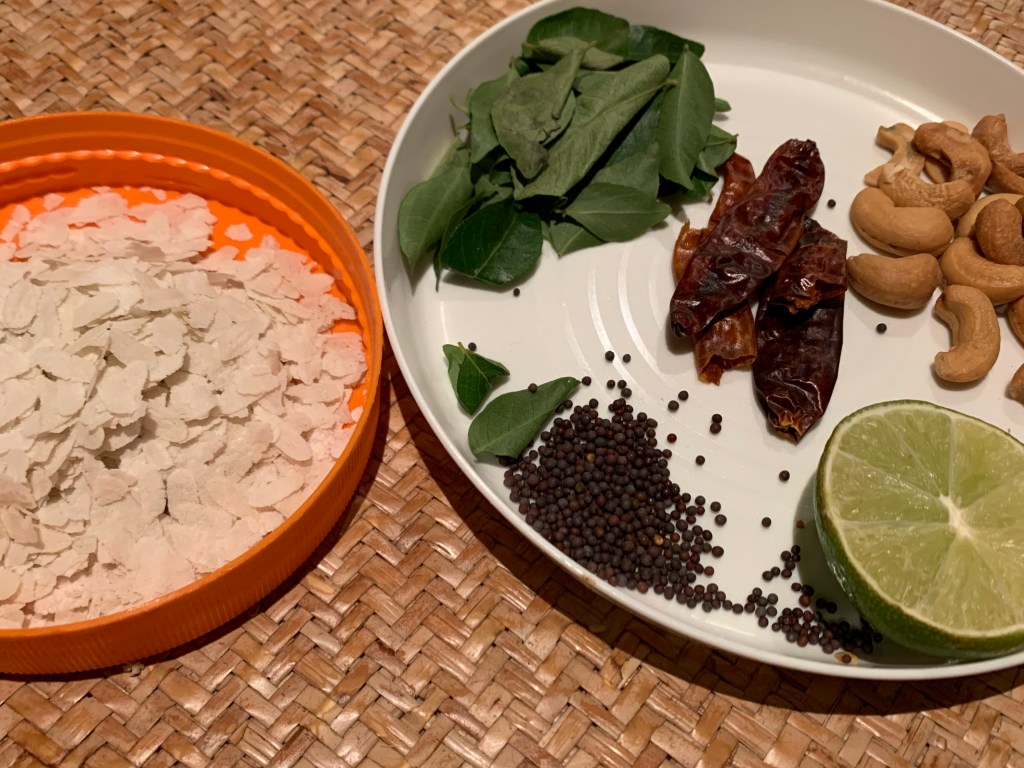
Pramila’s Poha* (See note)
Heat a tablespoon of coconut oil or ghee or avocado oil
Throw in a teaspoon of mustard seeds into oil. Cook until they crackle.
Add a few curry leaves and 2 whole dried red Chile peppers and stir.
Add a cup of cut up a cauliflower florets, a diced potato, frozen peas- you could add chopped carrots as well.
Season with a pinch of salt and turmeric
Add a small amount of water and cover. Cook until vegetables soften a bit.
Soak a cup of Poha ( flattened rice) in water for 15 minutes. if there is extra water, squeeze it out.
Add it to the vegetables.
Stir gently to mix it well
squeeze in half a lime
add roasted cashews and or peanuts
ENJOY!!
*Poha is flattened rice. Used to make this dish-popular as a breakfast-it is very quick as Poha is already cooked parboiled rice.
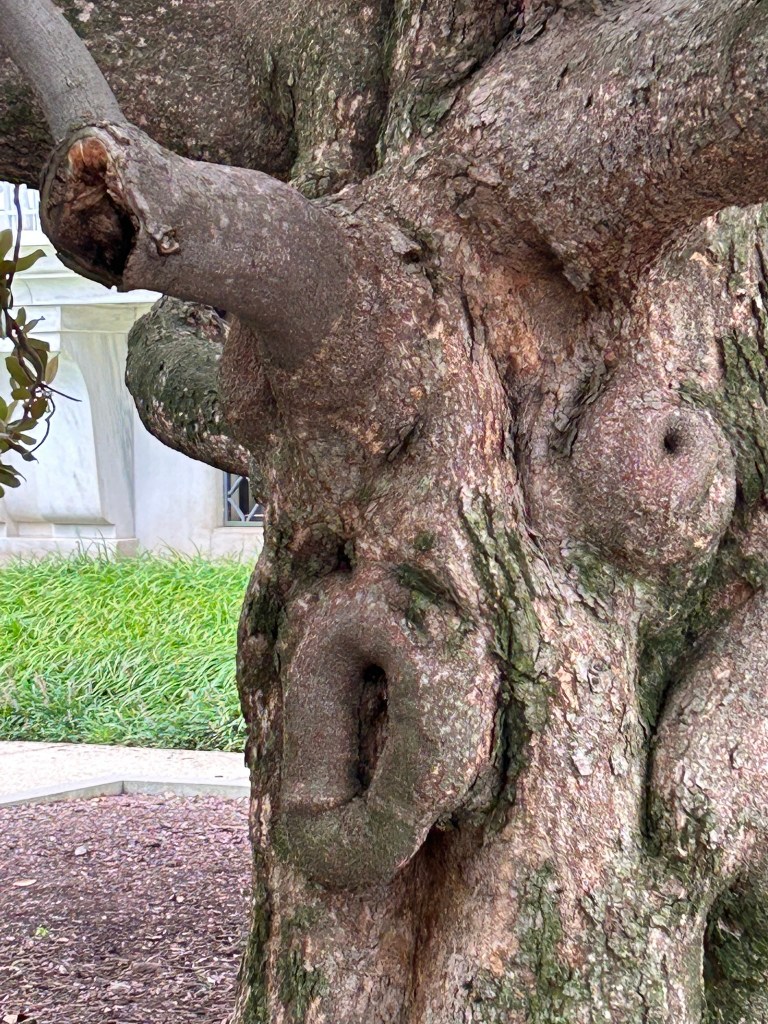
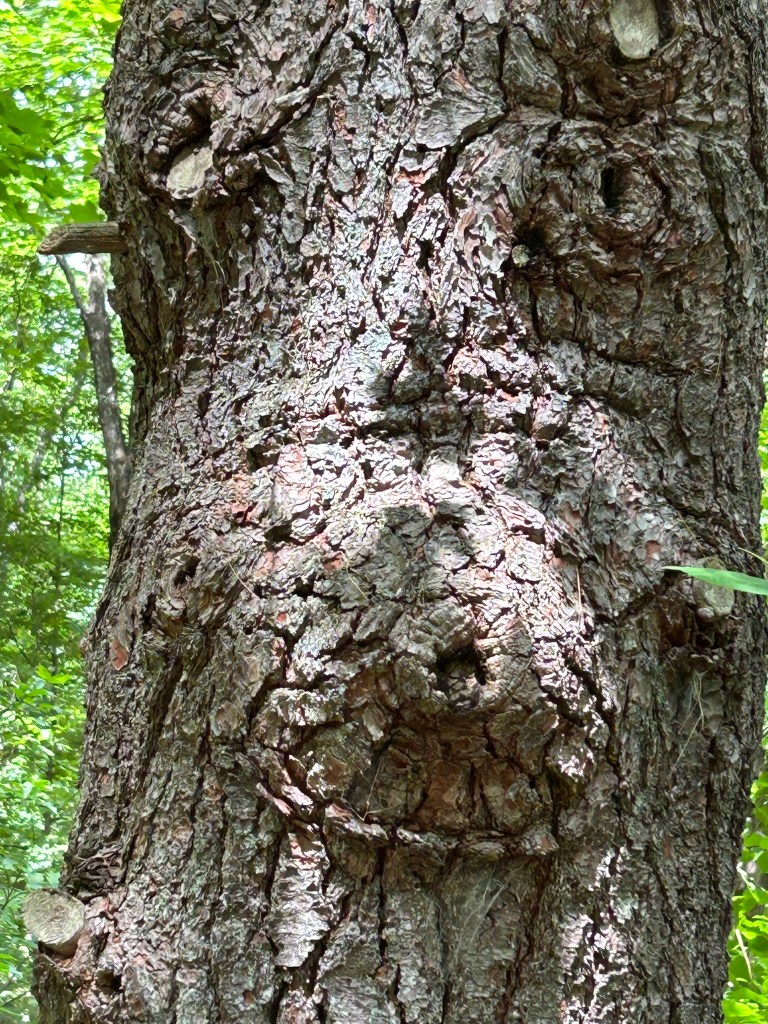
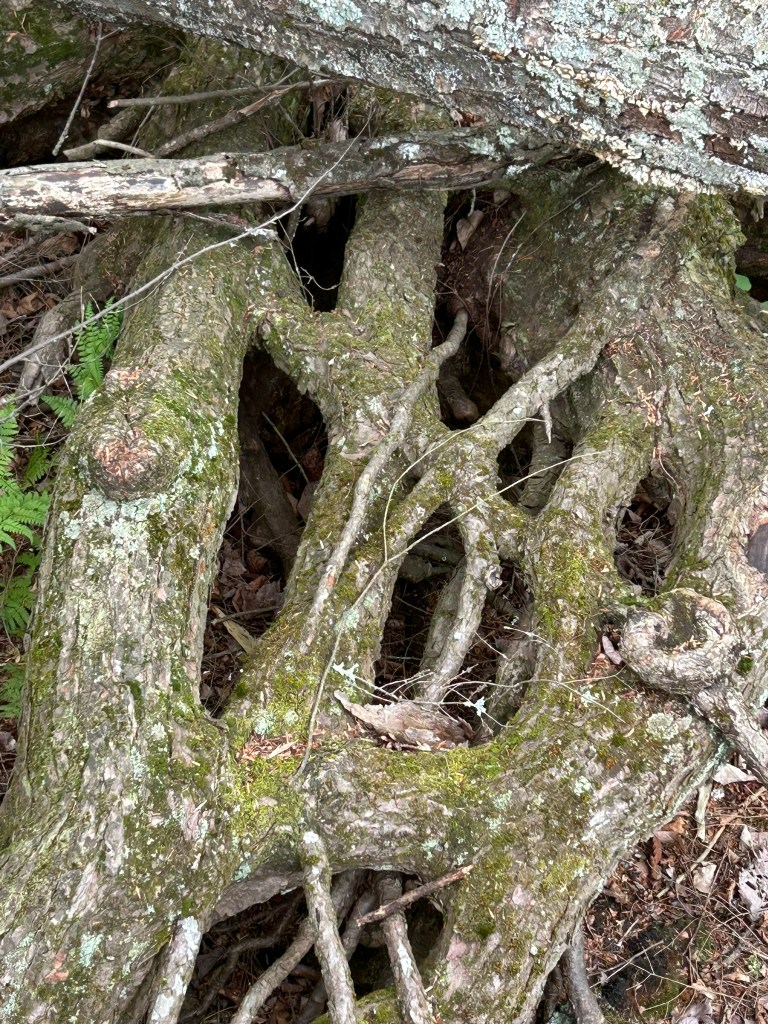
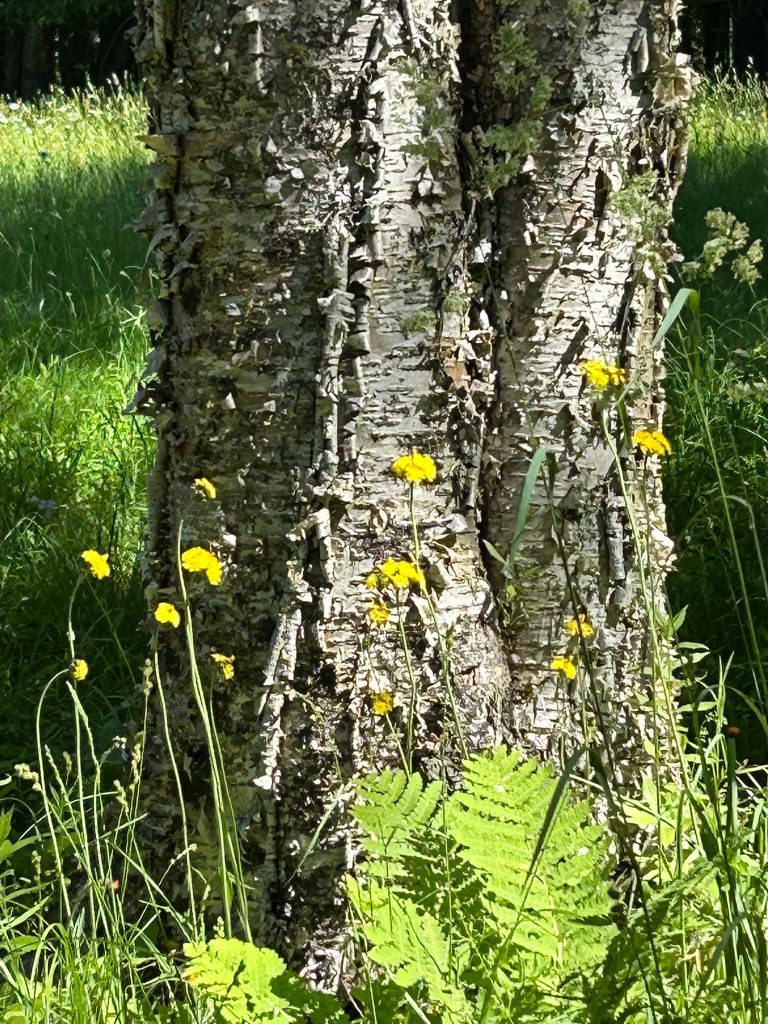
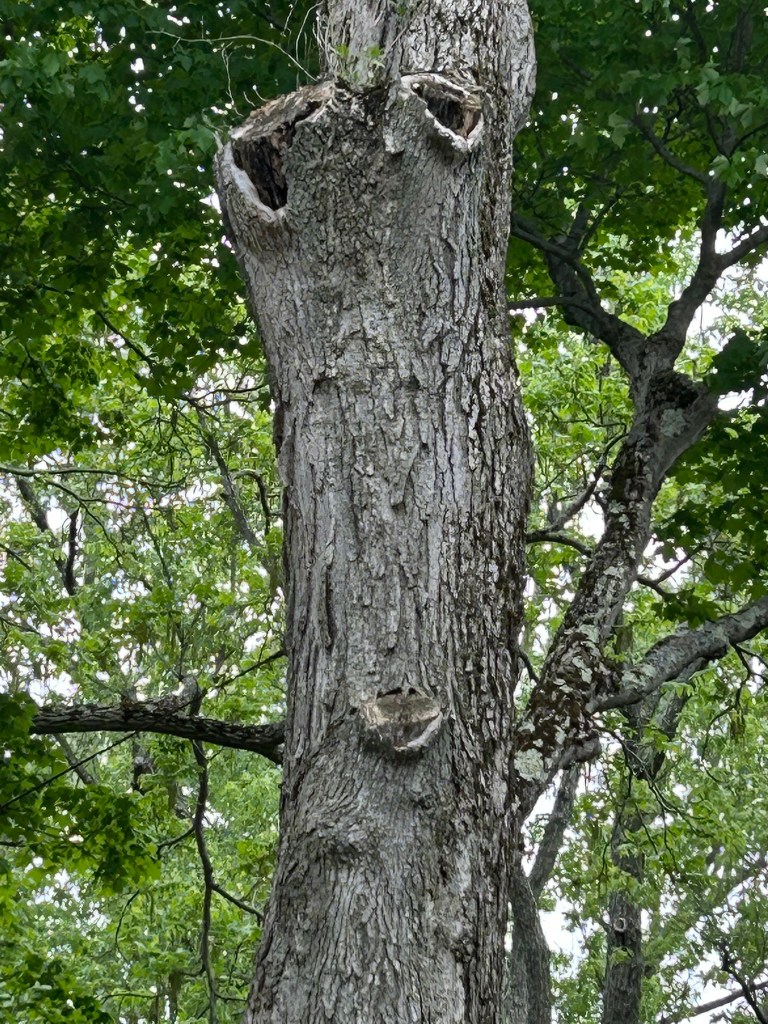
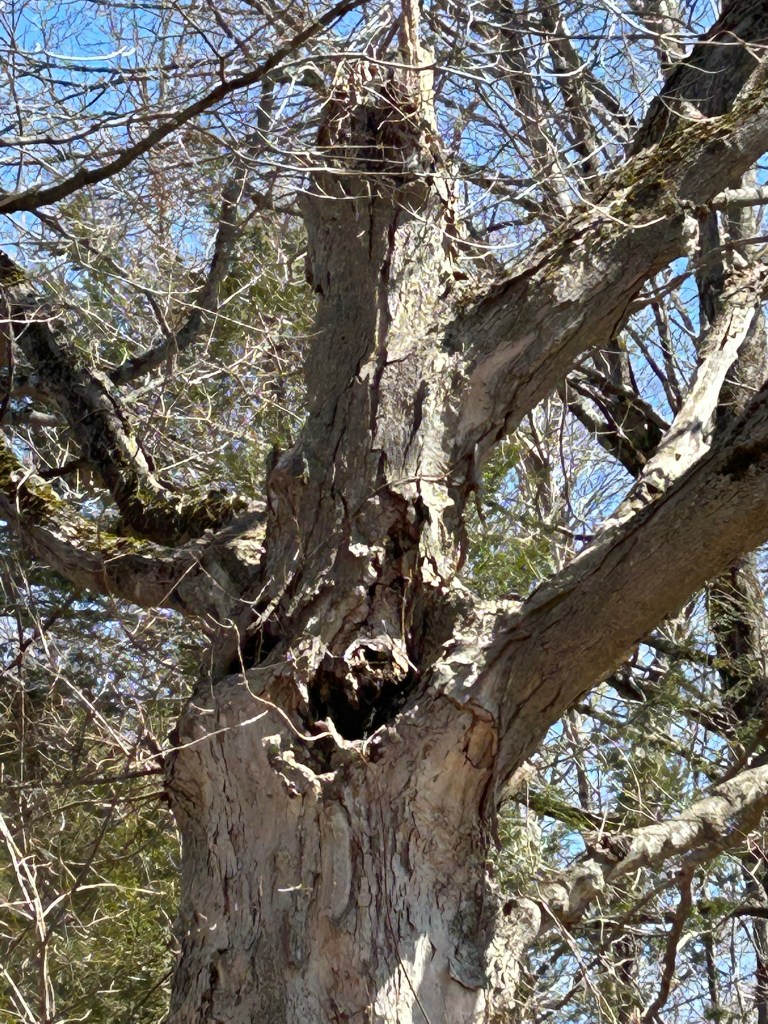
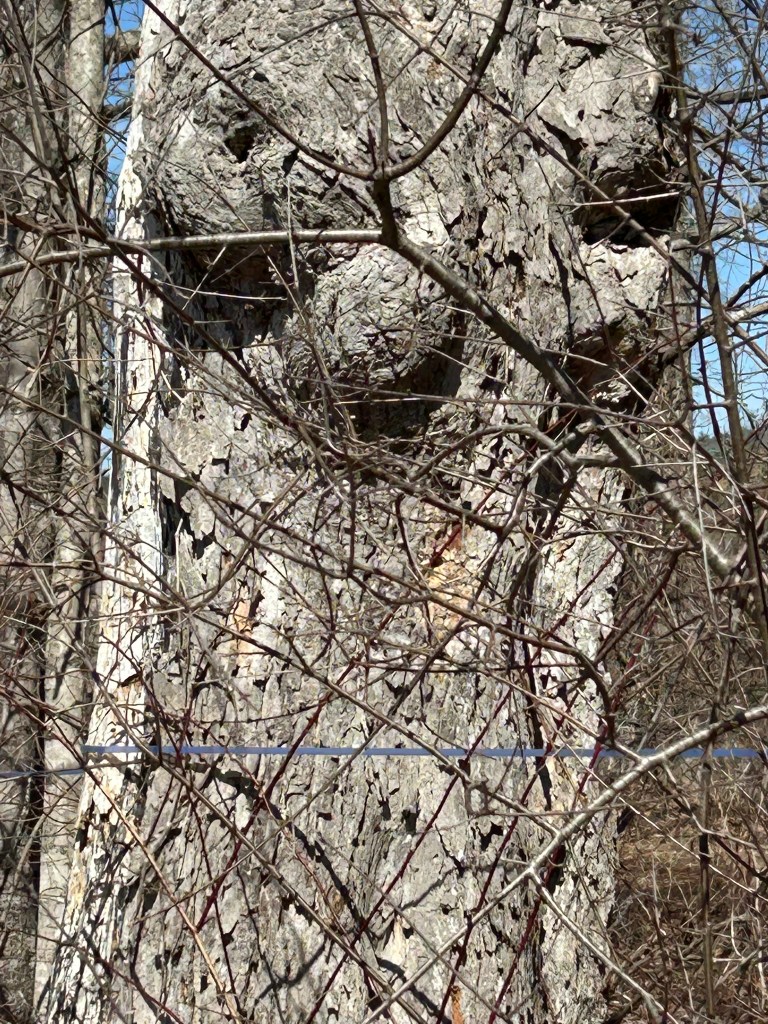
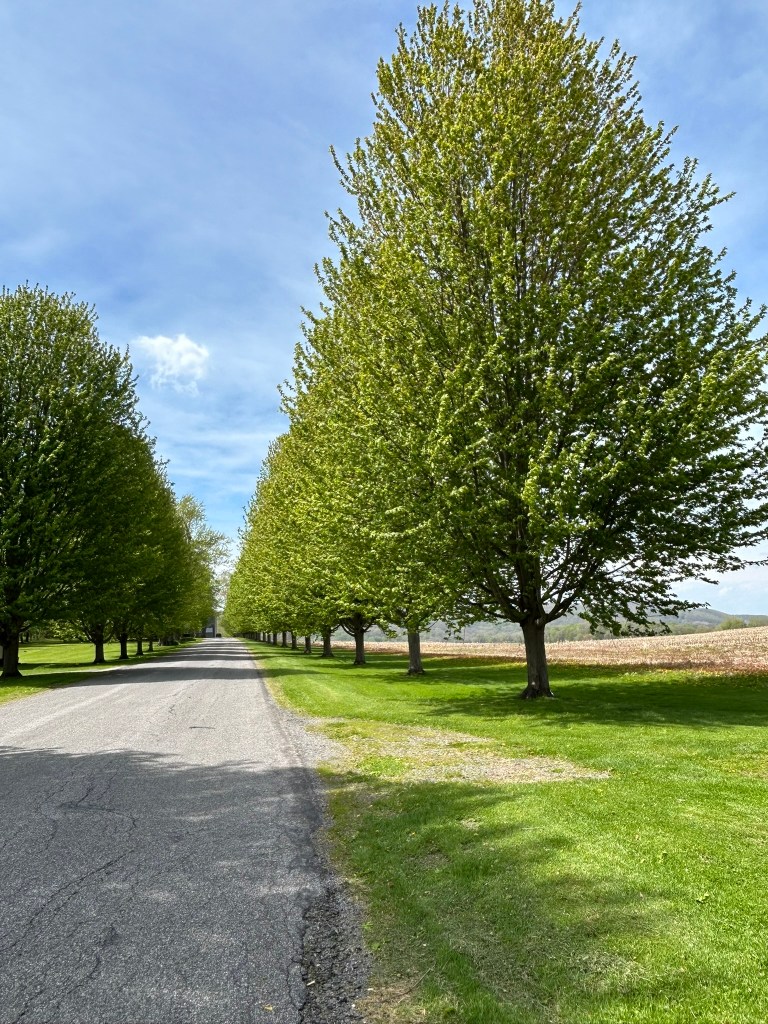
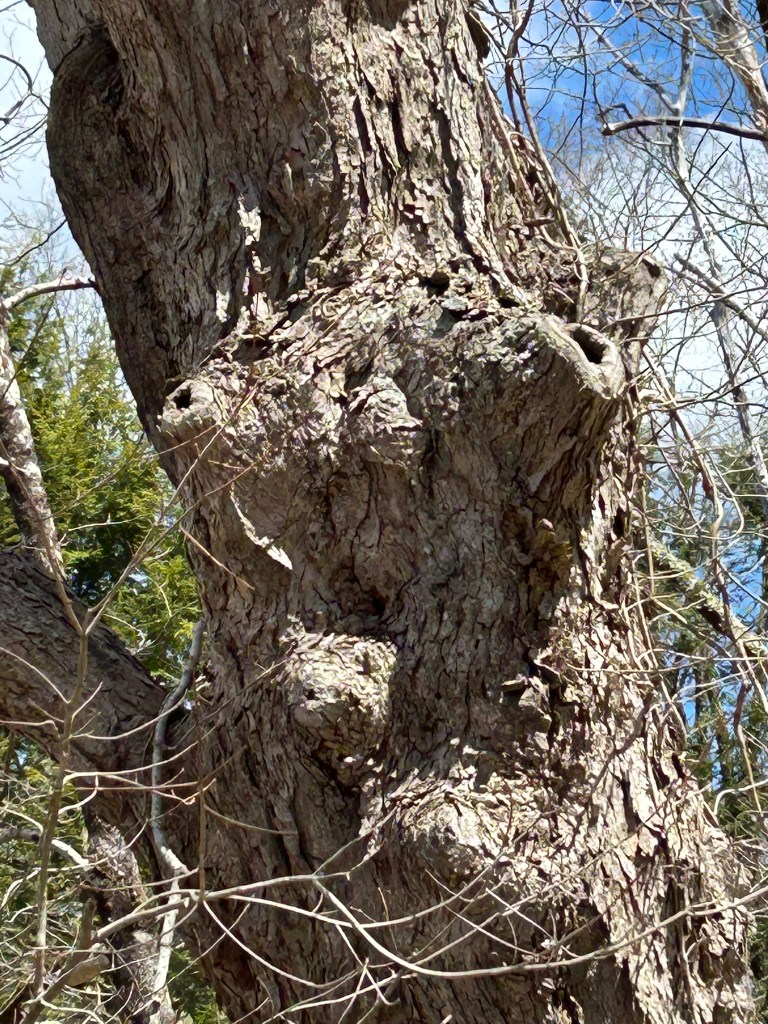
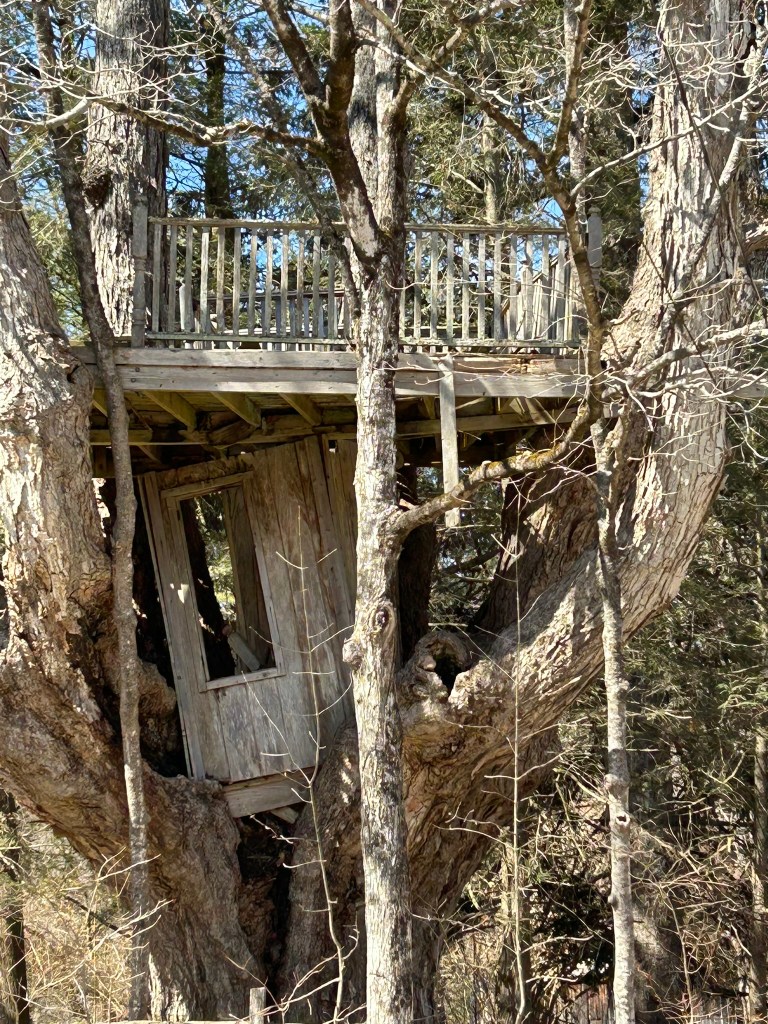
AND: Here is the “Tree of the Week”!
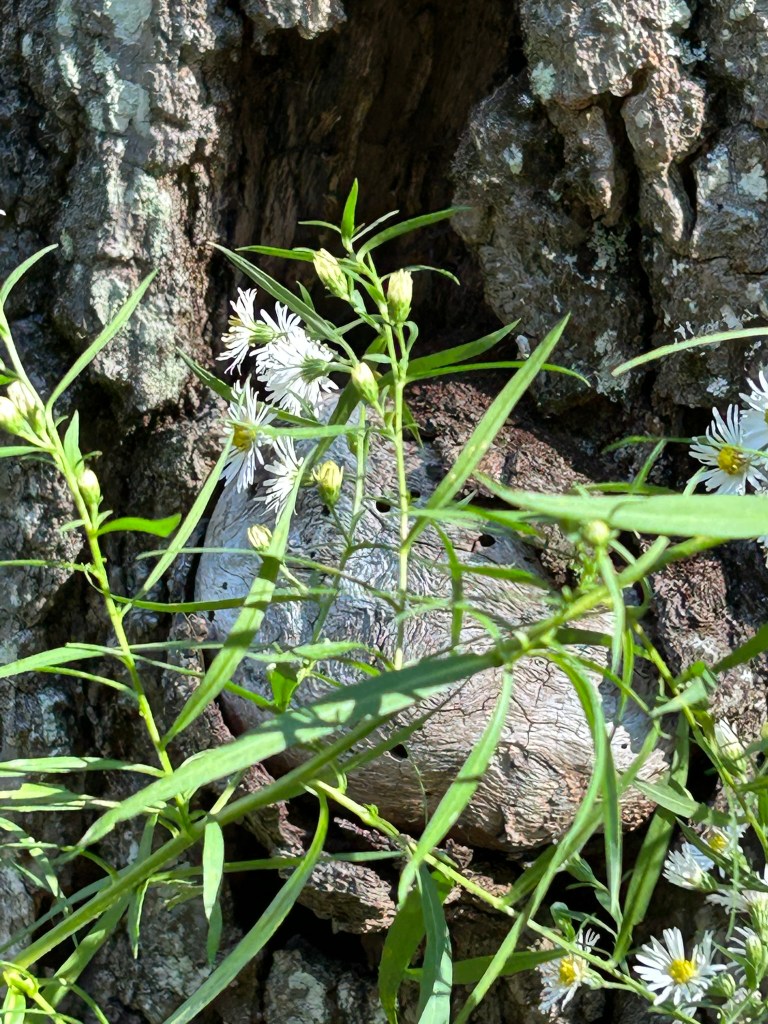
HAPPY FALL!