New Musical Adventures and Sweet & Savory Crepes

It’s been a busy fall with exciting new musical projects coming together- I am delighted to share news about a long planned Early Music group- meet Ensemble Zephyrus!

After many years of playing the oboe professionally with orchestras, chamber music groups and with the Hevreh Ensemble, I have decided to continue to teach oboe and play small gigs, but will concentrate my efforts on performing recorder and fulfilling my love of Early Music.

Ensemble Zephyrus is truly like a breath of fresh air to me; with this group, I have the wonderful opportunity to collaborate with excellent musicians who play harpsichord, viol, baroque violin and theorbo. Together we will perform exquisite music from the Renaissance and Baroque periods.

GERMANY – JUNE 24: Made by Carl Friedrich Voight. A theorbo is a type of lute, a stringed musical instrument. (Photo by SSPL/Getty Images)

Our first concert is in NYC this week-website and pictures coming soon!

In the meantime, here are glorious autumn pictures, a food excursion, recipes and as always, the “Tree of the Week”.

The Fall foliage has been lovely this year; we have traipsed happily through our land in Massachusetts on the winding maze of trails that Paul has cut through the woods. As we walk, our minds quiet.


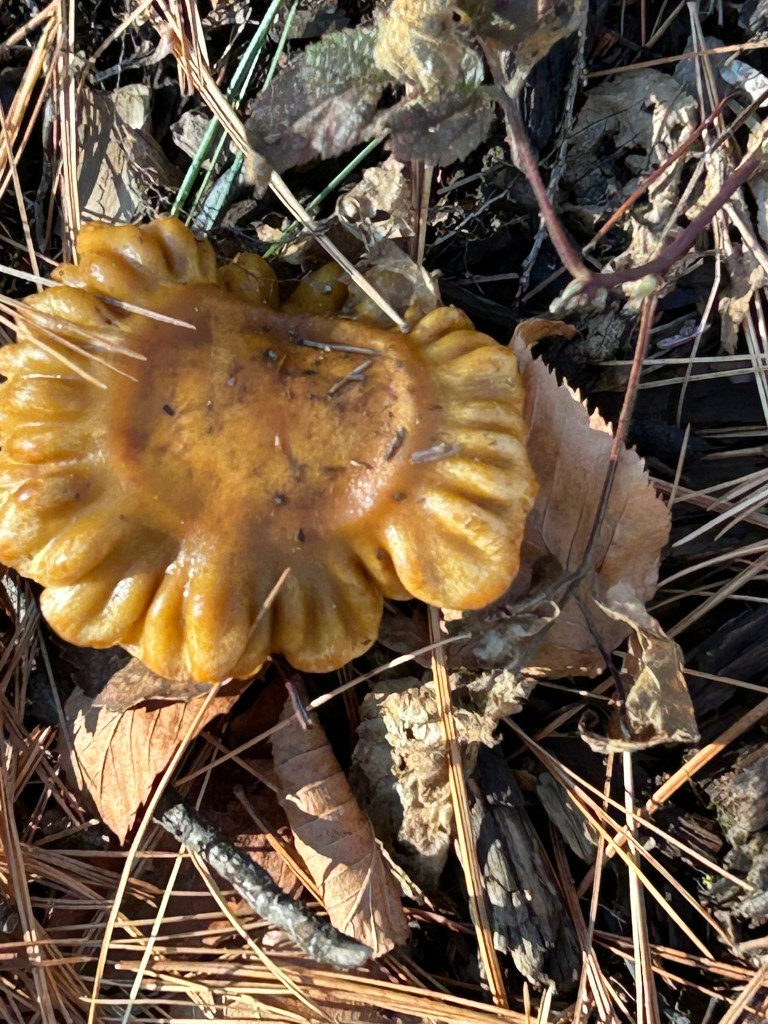
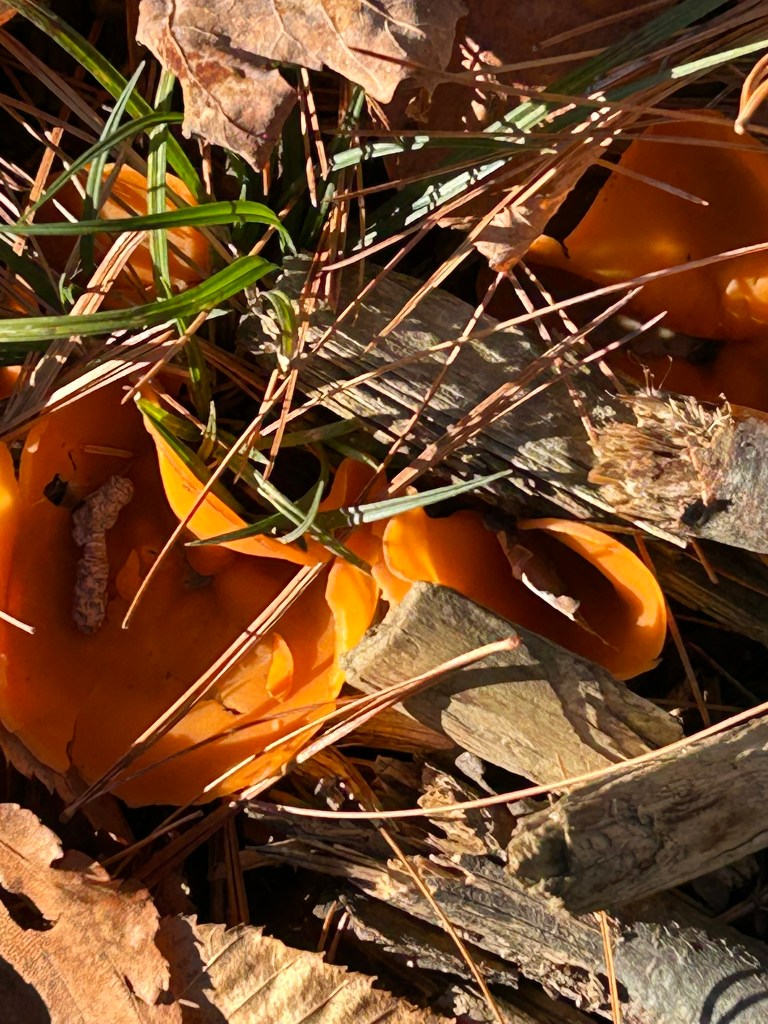
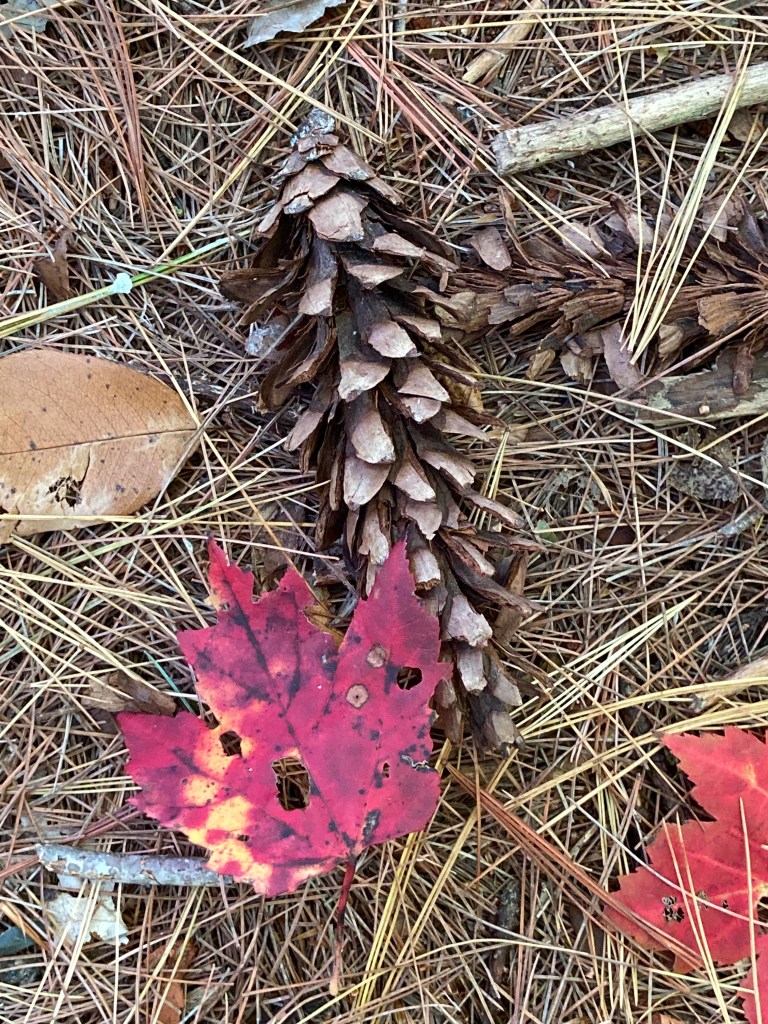
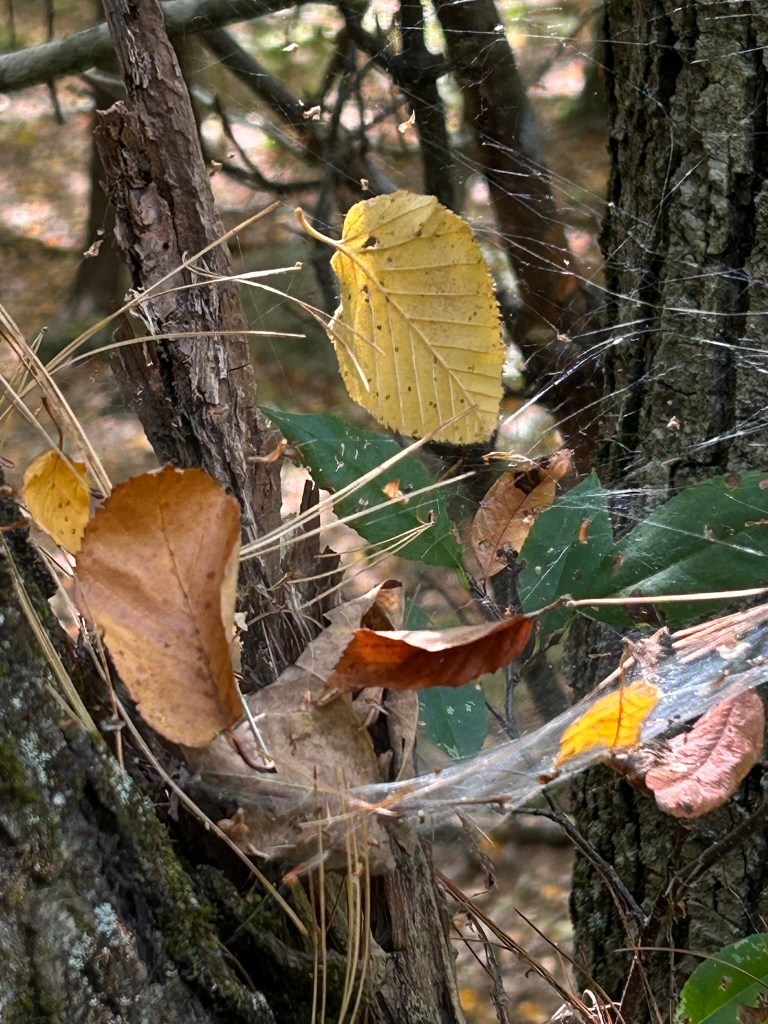
The patterns and designs we discover in fallen leaves, pine needles and fungus are captivating. The light is beautiful and illuminates leaves that are suspended in delicate webs.

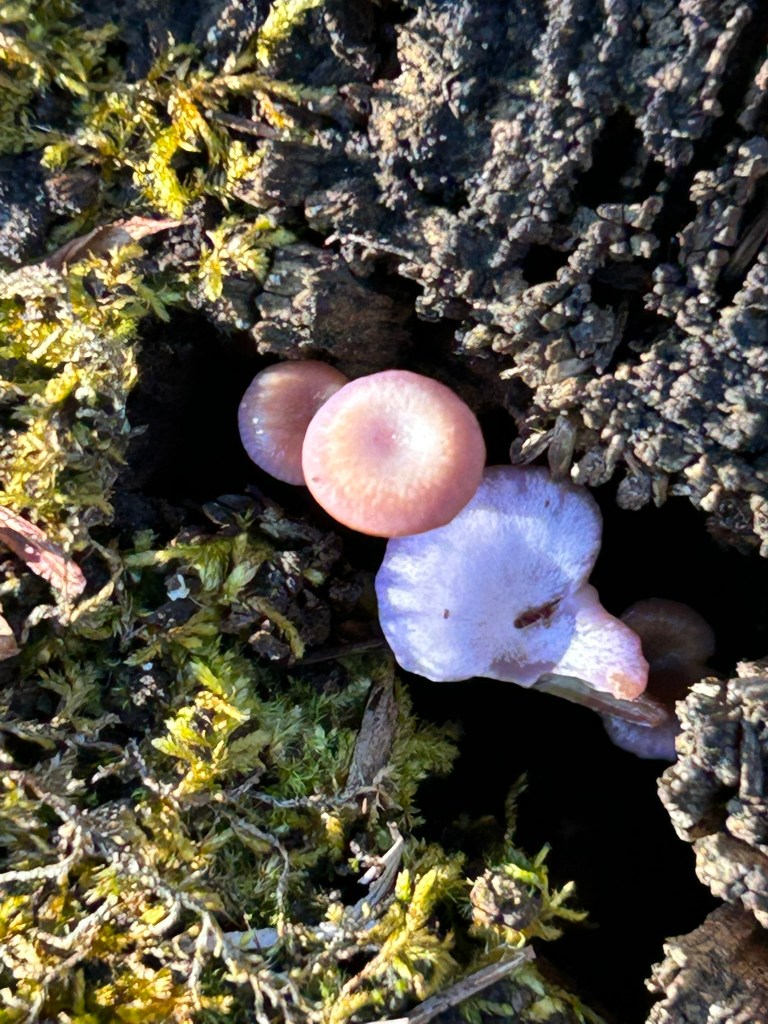
Tiny fungi nestled in a mossy tree trunk, look like seashells on the ocean floor!
What was once a dream during COVID, is finally becoming a reality-our new cozy little house peeks through the woods!

*****************************************

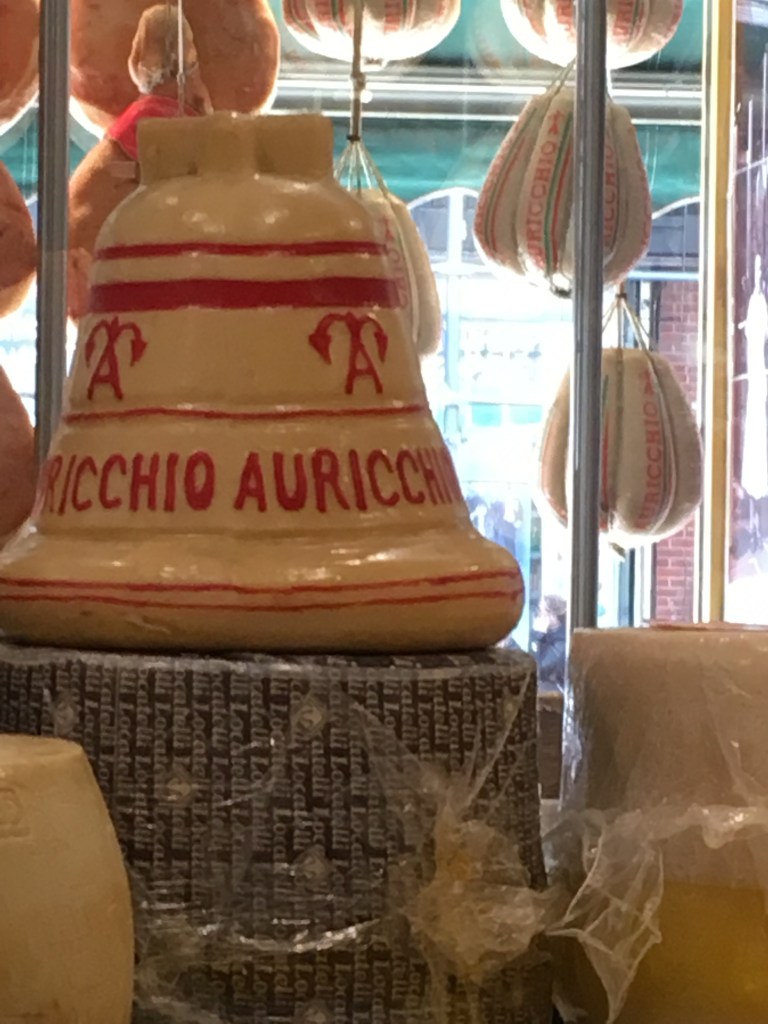
Every few months, our supply of Parmesan and Pecorino cheese dwindles and then it’s time to make a pilgrimage to Arthur Avenue, the Italian neighborhood in the Bronx.

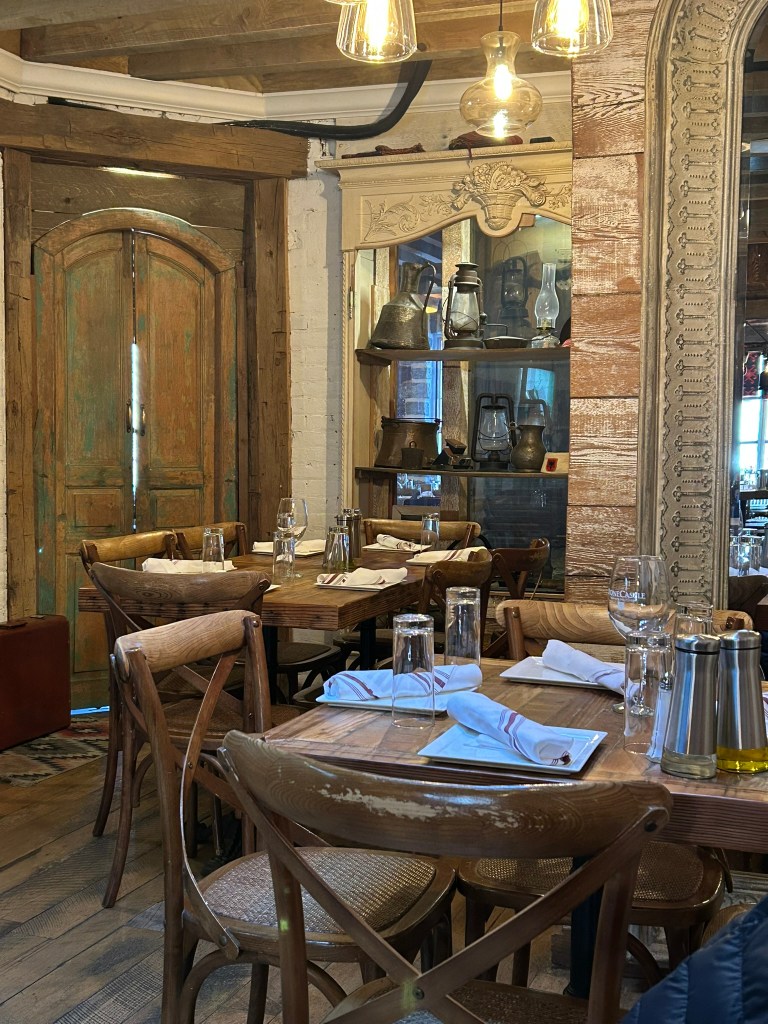
There is also a sizable Albanian population in the neighborhood and on a recent trip, I treated myself to lunch at an excellent small Albanian restaurant that I discovered called Cka ka Qellu. Located on Hughes Avenue,it’s just a few blocks from busy Arthur Avenue.

The inside of the welcoming restaurant was small and cozy. People around me were chatting softly in Albanian. It felt as if I was transported to the Balkans in Southeast Europe!
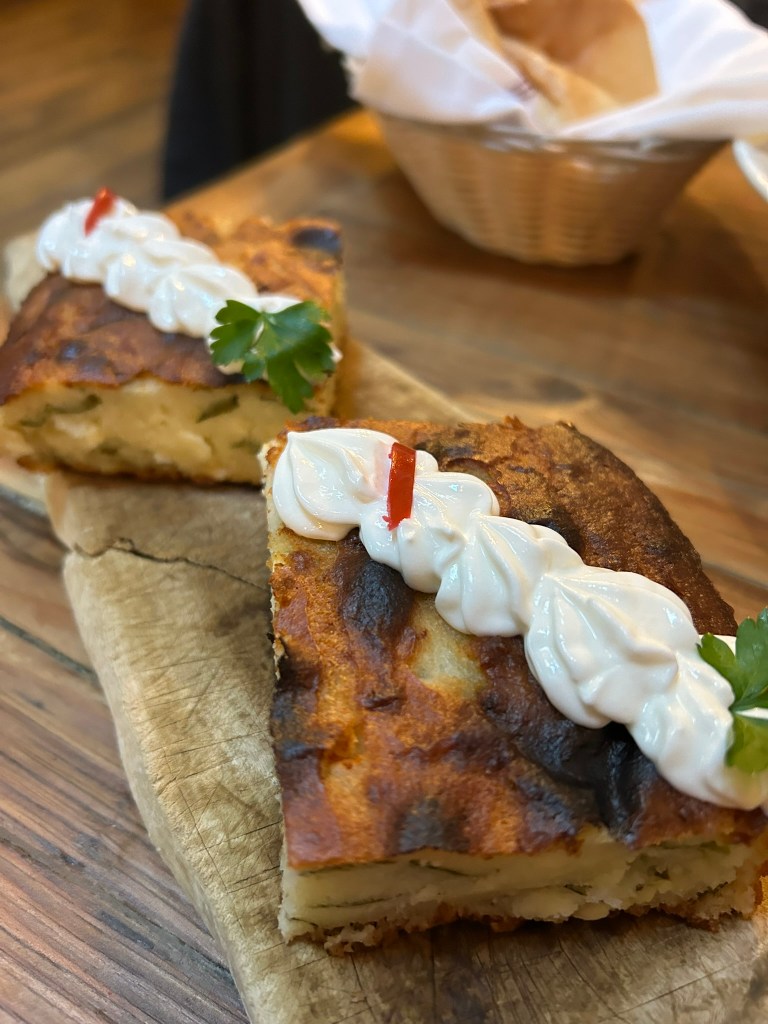
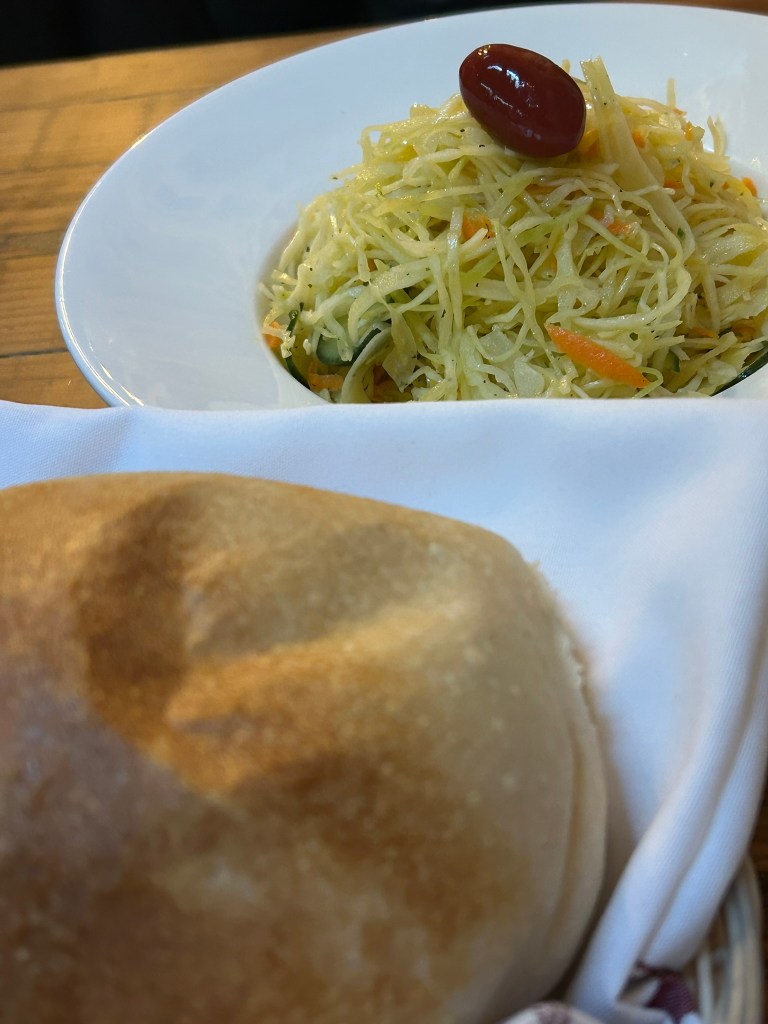
I enjoyed a few appetizers- lightly pickled cabbage salad served with hot crusty bread, Tatator- a yogurt dip with cucumber and garlic and Lecenik- cornbread stuffed with spinach and cheese. This made a lovely lunch feast!
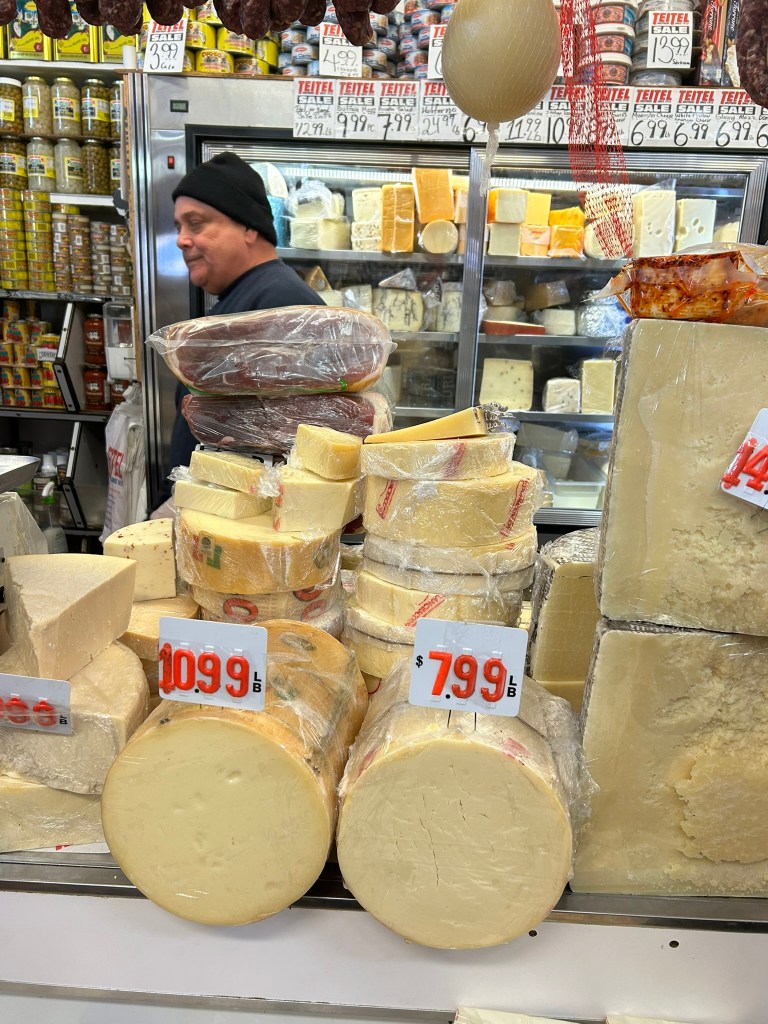
After my lunch, I walked a few blocks to Teitel Brothers, a third generation family business opened in 1915, by a Jewish immigrant family from Austria. Today, brothers Michael and Eddie stand at the counter in white aprons. I could have stayed for hours listening to their heavy New York accents as they bantered happily with their customers.

The store is small and crowded with imported Italian goods and huge blocks of cheese. Everything is top quality with incredibly low prices.
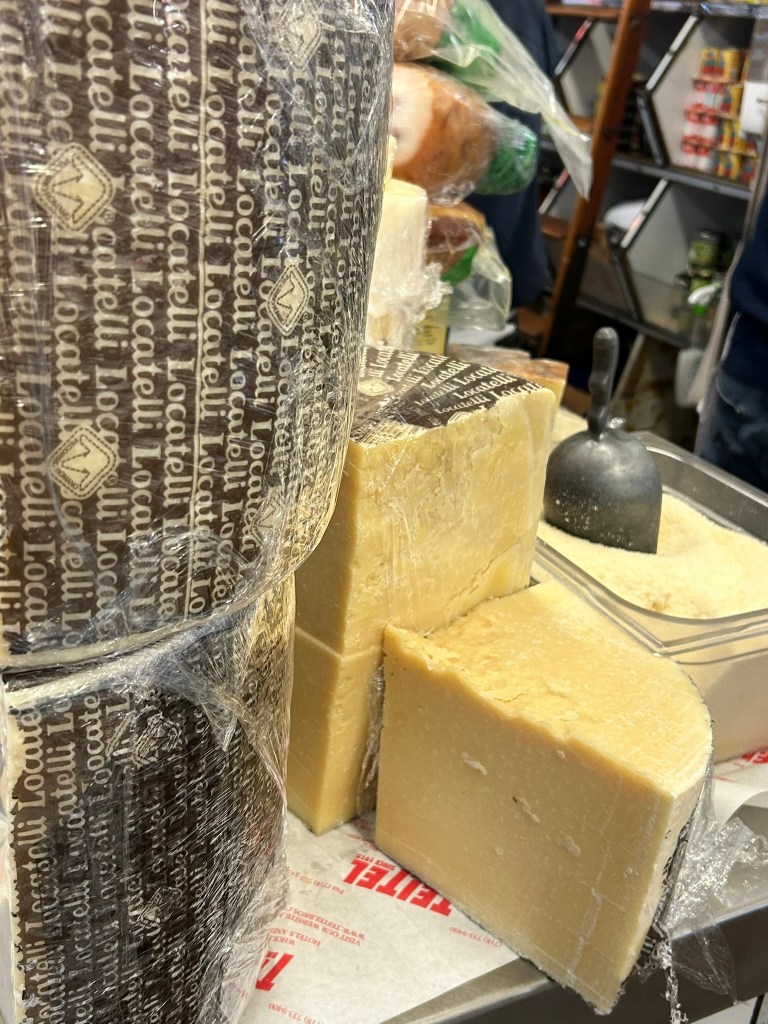
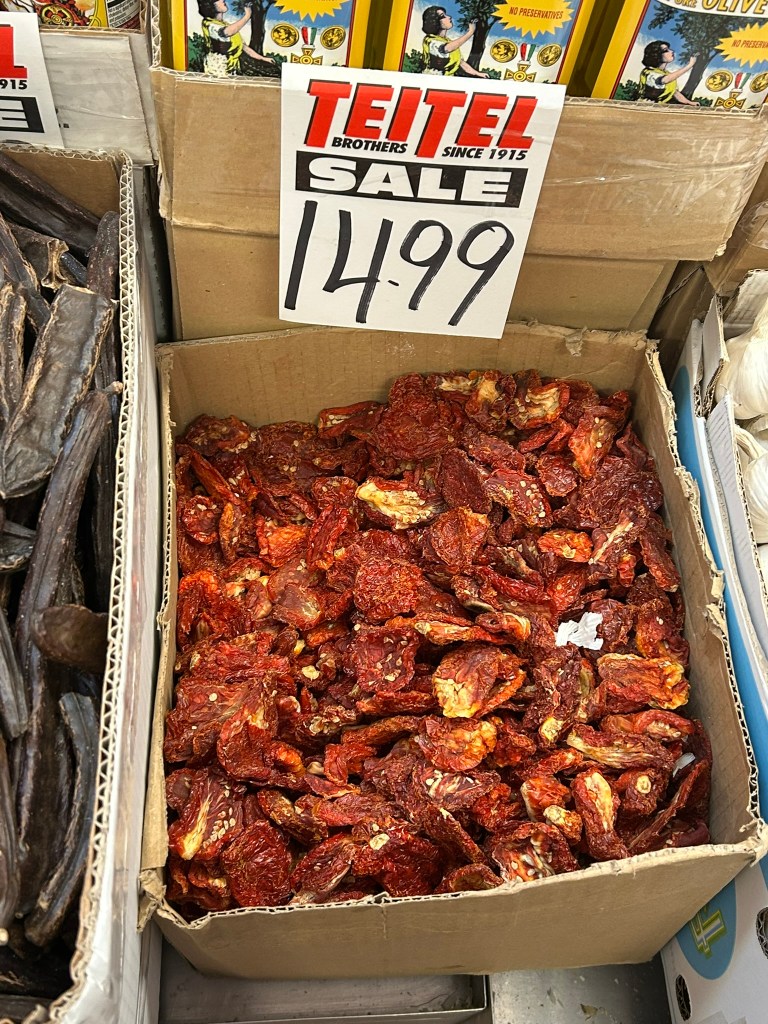
Dried salt cod stacked next to bottles olive oil and a box of sun dried tomatoes filled the air with a fishy smell.
On one visit, a huge bag of leftover scraps from procuitto sat on the counter. One of the owners asked if I would like to have it- a gift that one cannot turn down! I imagined crispy bits of procuitto with roasted brussel sprouts and in rich black bean soup! I lugged the heavy bag back to my car and planned to share it with a friend.

Looking for a use for my new supply of parmesan, I decided to make a quick chicken soup with pastina that I had read about in NYT Cooking:https://cooking.nytimes.com/recipes/1022969-brodo-di-pollo-con-pastina-chicken-soup-with-pastina

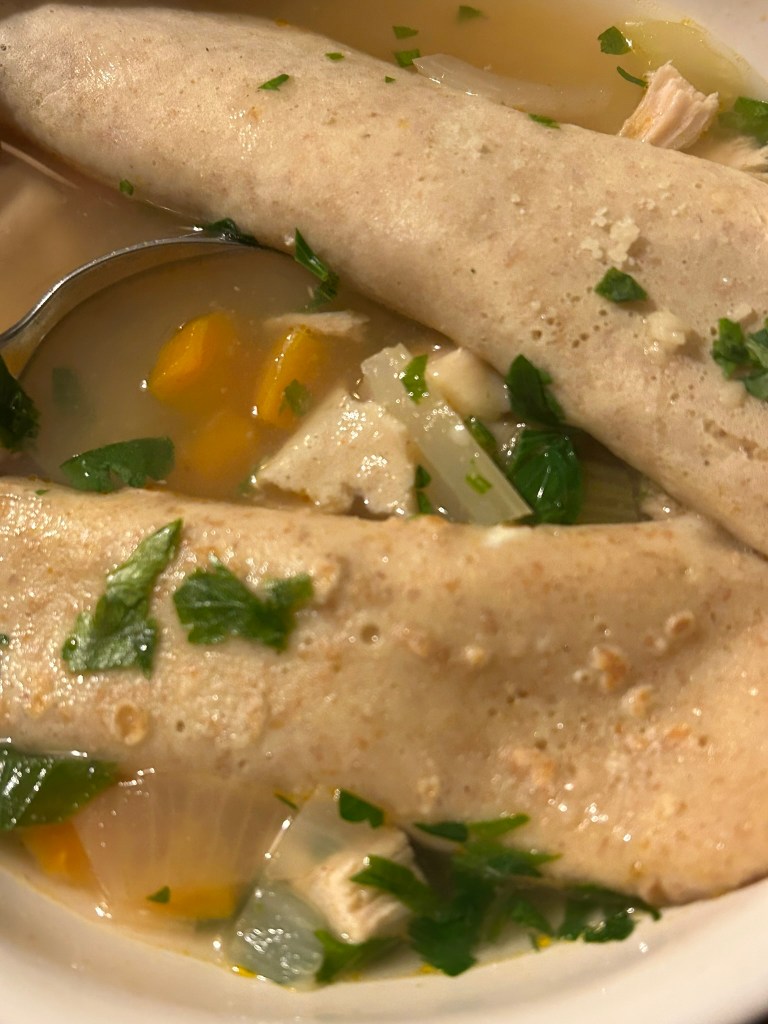
Instead of using pastina, I remembered a recipe for whole wheat crepes that I had made rolled and filled with freshly grated parmesan. I used the NY Times recipe for the broth; it was quick and had as much flavor as a stock that I usually simmer for hours. The crepes are easy to make and they were delicious with the fresh parmesan!

Chicken in Brodo with Parmesan Crepes
Chicken Broth (based on NY Times Cooking recipe)

Yield:6 servings

  • 2large boneless, skinless chicken breasts (about 1 pound)
  • 1large yellow onion, thinly sliced
  • 3tablespoons extra-virgin olive oil
  • 2tablespoons kosher salt (Diamond Crystal), or to taste
  • ½teaspoon garlic powder
  • ¼teaspoon black pepper
  • 3large carrots, peeled and sliced into ¼-inch half moons
  • 3large celery ribs, sliced into ¼-inch half moons
  • 3garlic cloves, finely chopped
  • 2teaspoons tomato paste
  • ½cup finely chopped parsley

Preparation

  1. Step 1Place the chicken and 10 cups of water in a large pot. Partly cover and bring to a boil over high heat, keeping a close eye so that it doesn’t overflow and skimming off any foam that rises to the top.
  2. Step 2Add the onion, olive oil, salt, garlic powder and pepper; stir and allow to come back up to a gentle boil. Cover completely, reduce heat to medium-low and simmer for 10 minutes. Add the carrots, celery, garlic and tomato paste, stirring to incorporate the tomato paste. Increase the heat to high and allow to come back up to a gentle boil. Cover, reduce the heat to medium-low and simmer for 30 minutes, stirring occasionally. Taste and season with more salt and pepper as desired.
  3. Step 3Remove the cooked chicken and place in a large bowl.
  • For the Crepes:
  • 3 eggs
  • 1 cup whole wheat pastry flour
  • 1 cup cold water
  • About ¼ cup grapeseed or sunflower oil
  • 1/4 tsp salt
  • About 3 to 4 cups freshly grated Parmigiano Reggiano or Pecorino Romano cheese
  • Fresh chopped parsley for garnish
  1. In a large mixing bowl, whisk the salt and flour. Make a well into the center of the flour and crack all 3 eggs. Whisk together well and gradually add the milk, a little at a time, whisking well to avoid lumps. After all the milk has been added, if the batter is lumpy, you can run it through a fine-meshed sieve to get rid of any lumps.
  2. Grease up a heavy skillet or a small crepe pan, using about 1 tsp oil per crepe. Make the crepes using about 1/4 cup of batter per crepe. Swirl the batter around, cook for about 30 to 60 seconds on each side or until golden and bubbly. If the batter is too thick, add a little more water, a couple tablespoonfuls at a time. Stack the crepes on a large plate. They will miraculousy not stick together.
  3. Sprinkle a generous handful of grated cheese on each crepe and roll it up into a cigar shape. (Divide the cheese evenly among the crepes but save some for garnish). Place the rolled crepes seam down into a large serving bowl. Serve two to three crepes per person and ladle a generous scoop or two of broth on top of the crepes. I also added some of the reserved chicken breast chopped, to the soup. Garnish with a little cheese and chopped parsley. ENJOY!

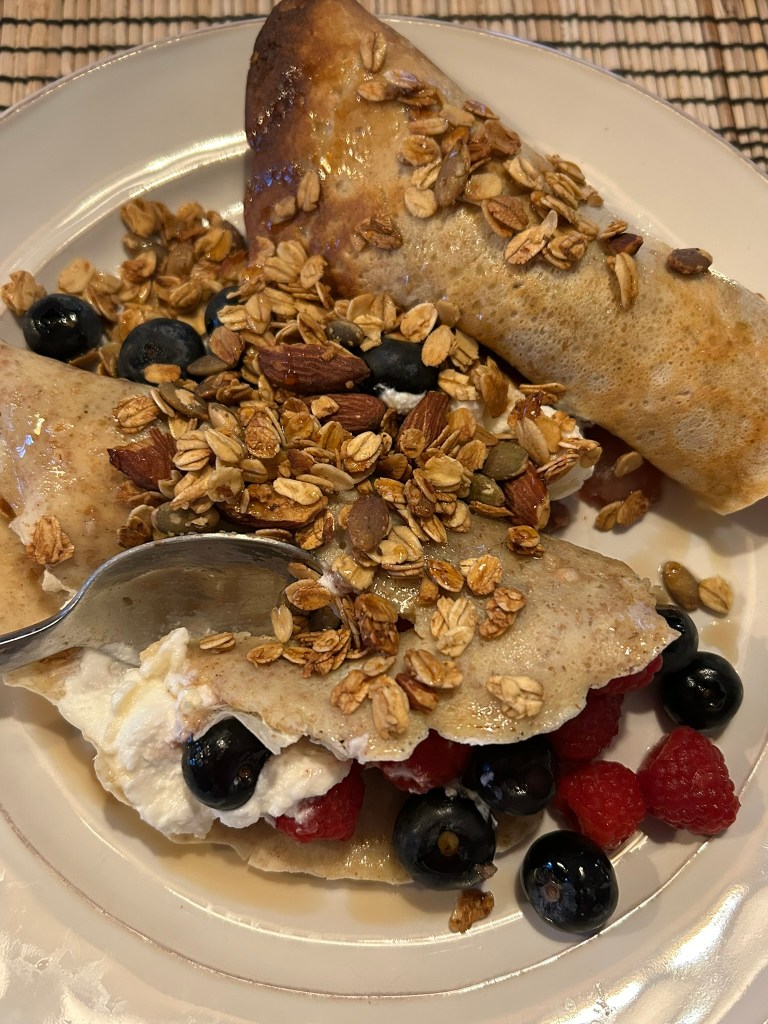
There were a few leftover crepes; the next morning we enjoyed the crepes filled with fresh fruit (whatever you have on hand is good) and plain yogurt. Topped with plenty of crunchy granola and a drizzle of maple syrup, this was an excellent quick breakfast treat!

ENJOY!!

Fruit and Granola Breakfast Crepe
AND: Here is the “Tree of the Week”!

“Something Smells Good”!

HAPPY THANKSGIVING!!

Knodels and Pappardella- From Munich to Bolzano: Part 1

Bolzano, Italy

The plan was to write blog entries in the order of my recent trip to Europe: Munich, Salzburg, Ljublijana, Trieste and Bolzano.

Last week, on a overcast and stormy day I was inspired to try to recreate a healthy version of a rich Slovenian dessert, Pretmurska Gibanica that we enjoyed in Ljublijana. It is layered with fillings of apple, poppy seed, farmers cheese and walnuts. The rainy afternoon flew by as I researched recipes and then assembled and baked the delicacy. I’m happy to report there was success and am excited to share the recipe for the resulting dessert.

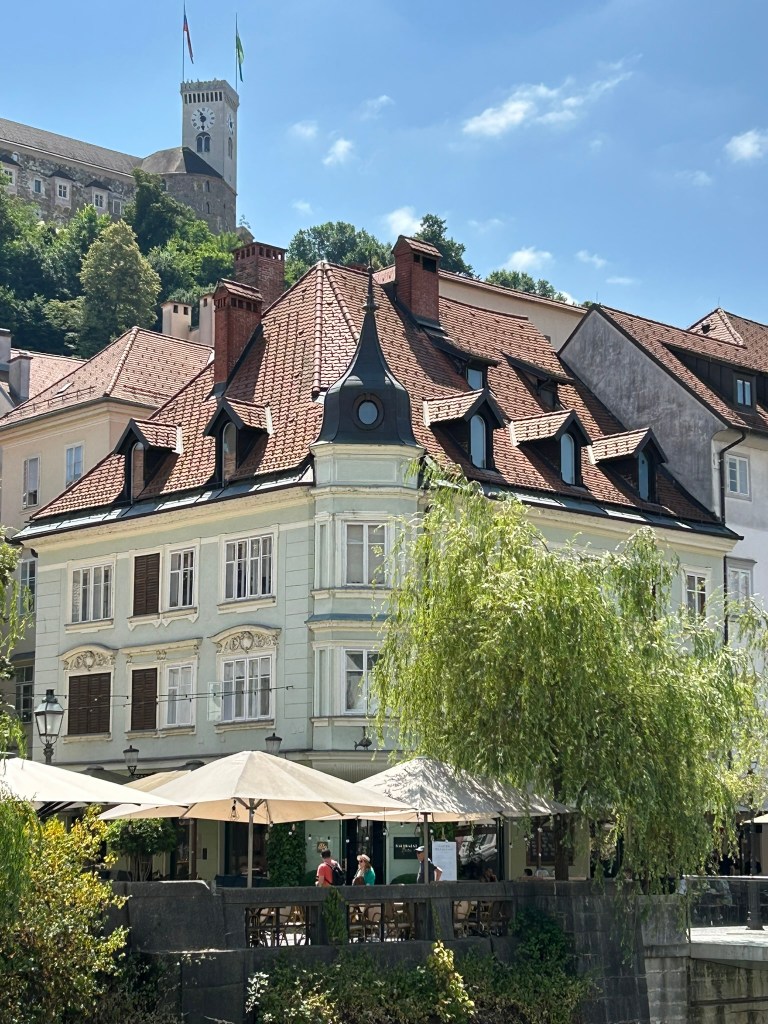
We were fortunate to discover the non-touristy, small beautiful Central European city of Ljublijana (pronounced “Loobliana”).

Ljublijana, Slovenia

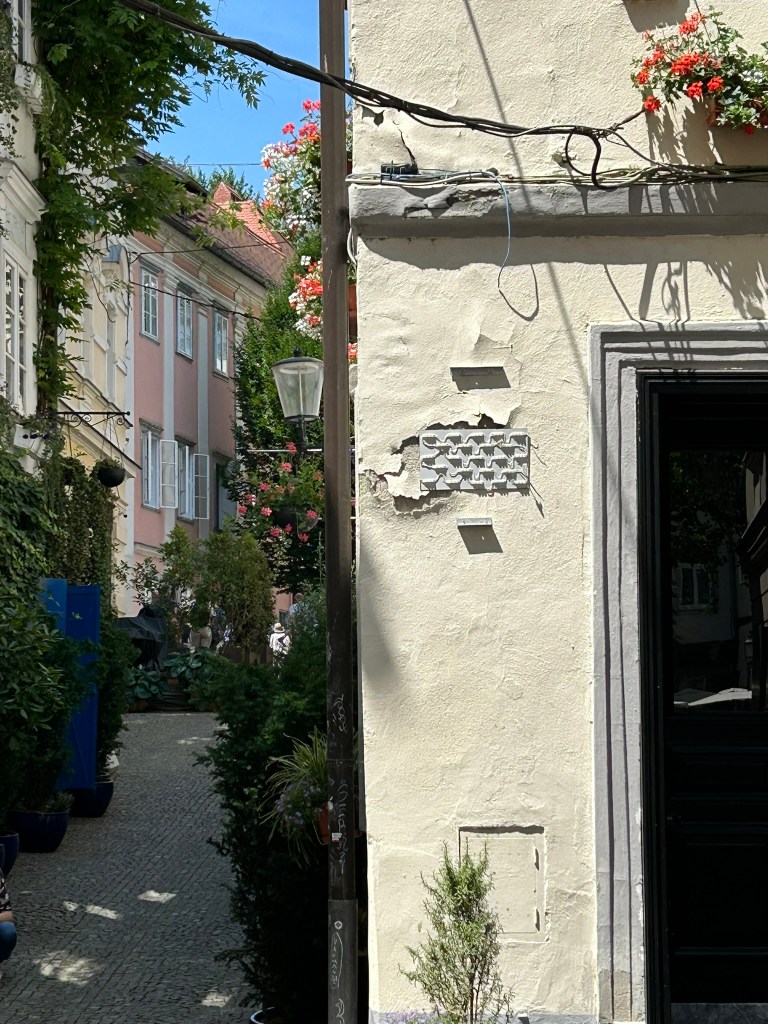
We drove from Salzburg to Slovenia; as we entered Ljublijana, we were met by stark Soviet era high rises devoid of any charm. Heading towards the center of the city, the architecture changed dramatically; the old narrow streets were charming with many streets for pedestrians only.

Ljublijana

Our hotel, The Grand Hotel Union was just a few blocks from the center of the old city with lovely views of the town. Best of all, our room was upgraded to a huge suite with high windows at no extra cost!

Ljublijana

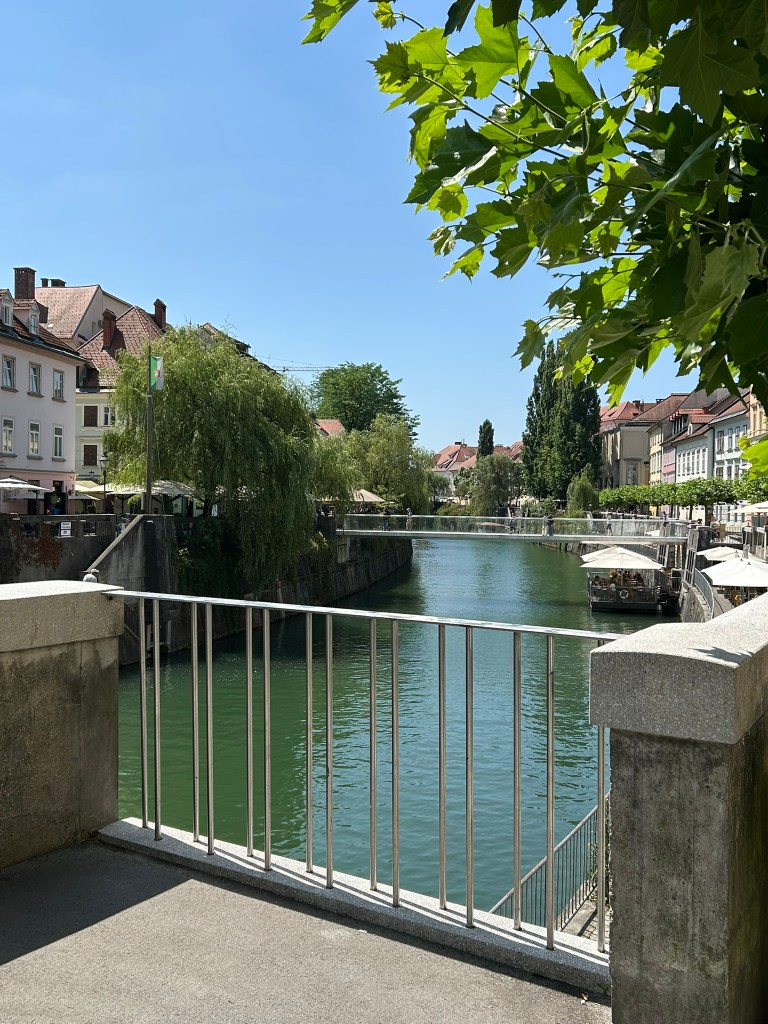
The Ljublijana River flows through center of the old city with many small bridges.

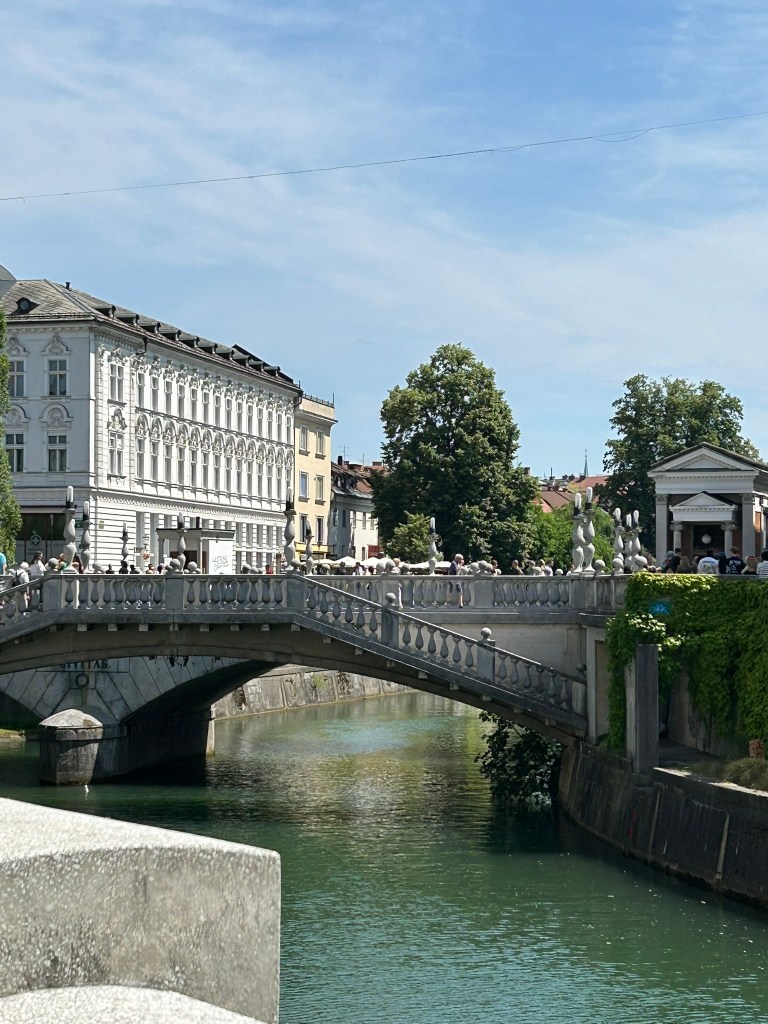
One of most famous bridges is the Dragon Bridge, protected by fierce looking dragons on all sides.

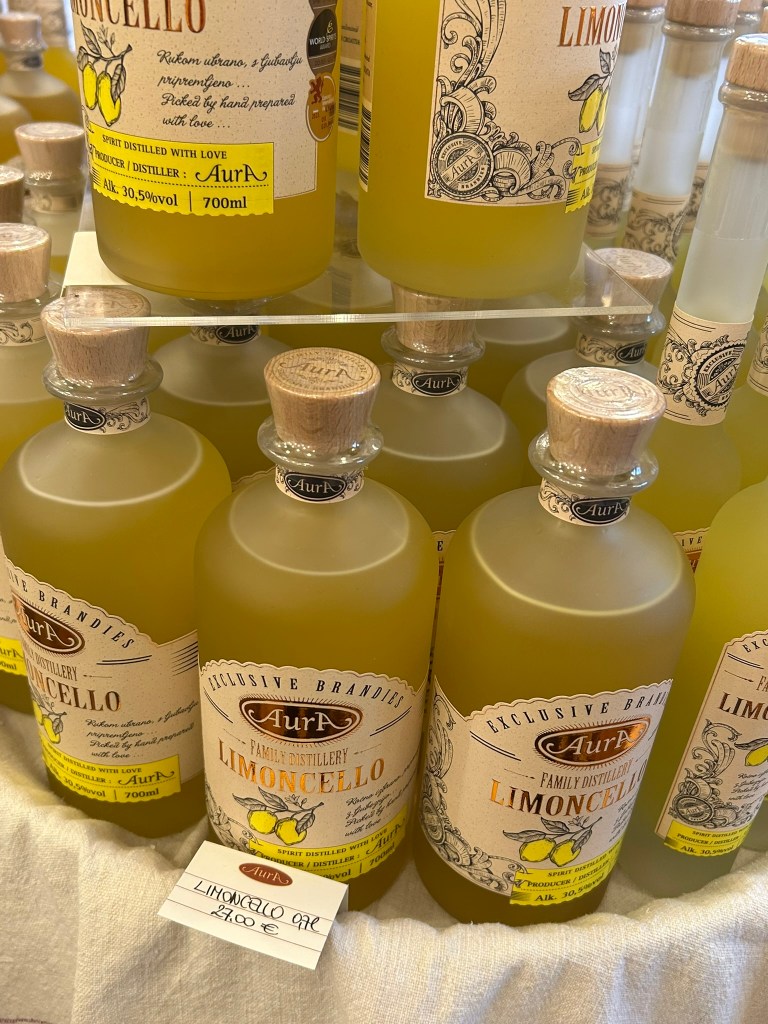
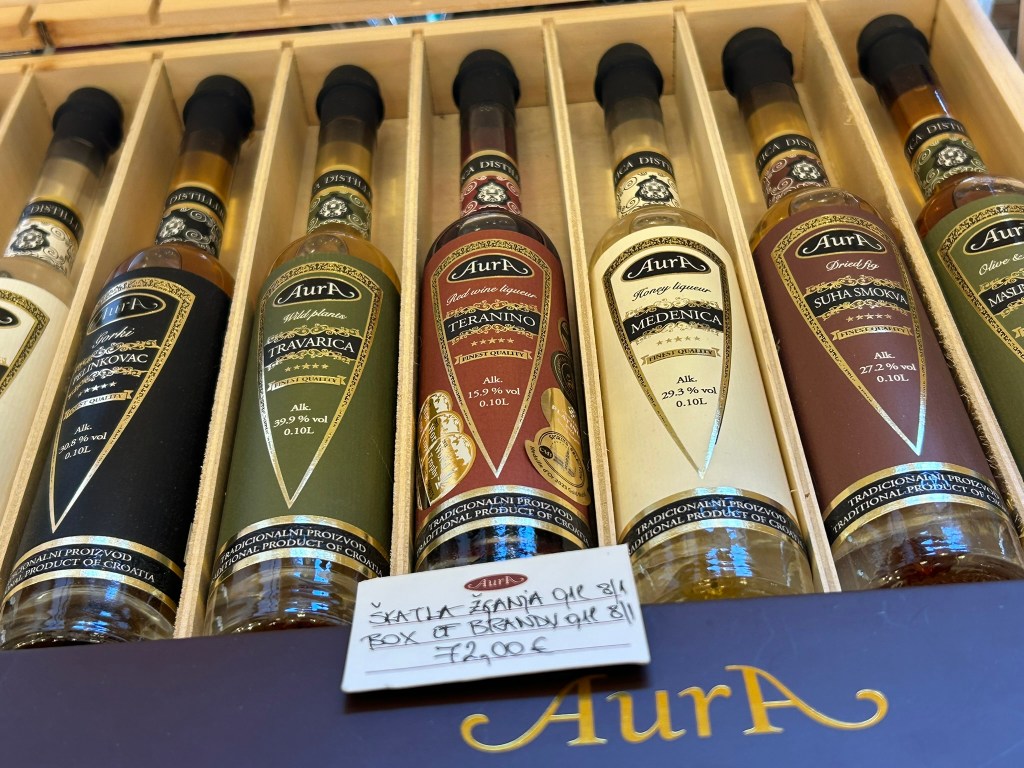
The quaint streets were lined with cafes, restaurants, wine shops, bakeries and unusual specialty shops. One lovely shop sold liquors and brandies that were distilled in Croatia; the owner proudly showed us on a map the location of their family’s distillery.

Although there were not as many tourists as in Salzburg, there were still shops that specialized in “tchotchkes”- like this shop that sold only rubber ducks!

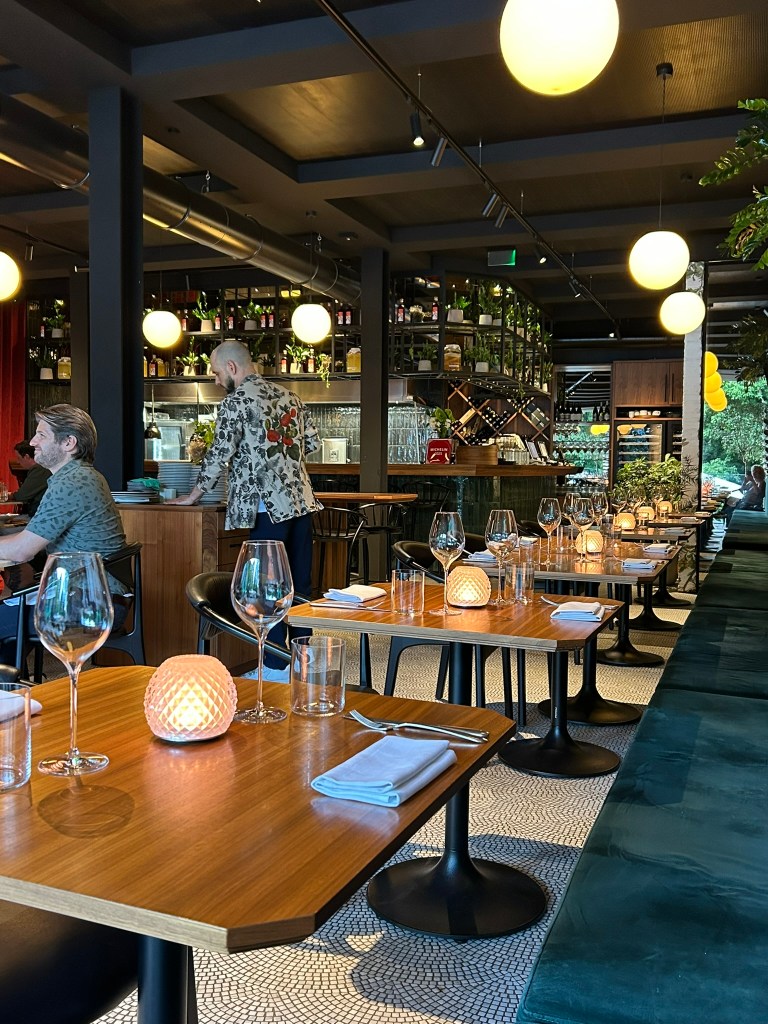
We had dinner at an excellent restaurant called JAZ that was recently opened by the three star Michelin chef Ana Roz. Tucked away on a hard to find side street, the restaurant was excellent- warm, welcoming and creative; a blend of Italian food with Slovenian and Central European influences.

JAZ

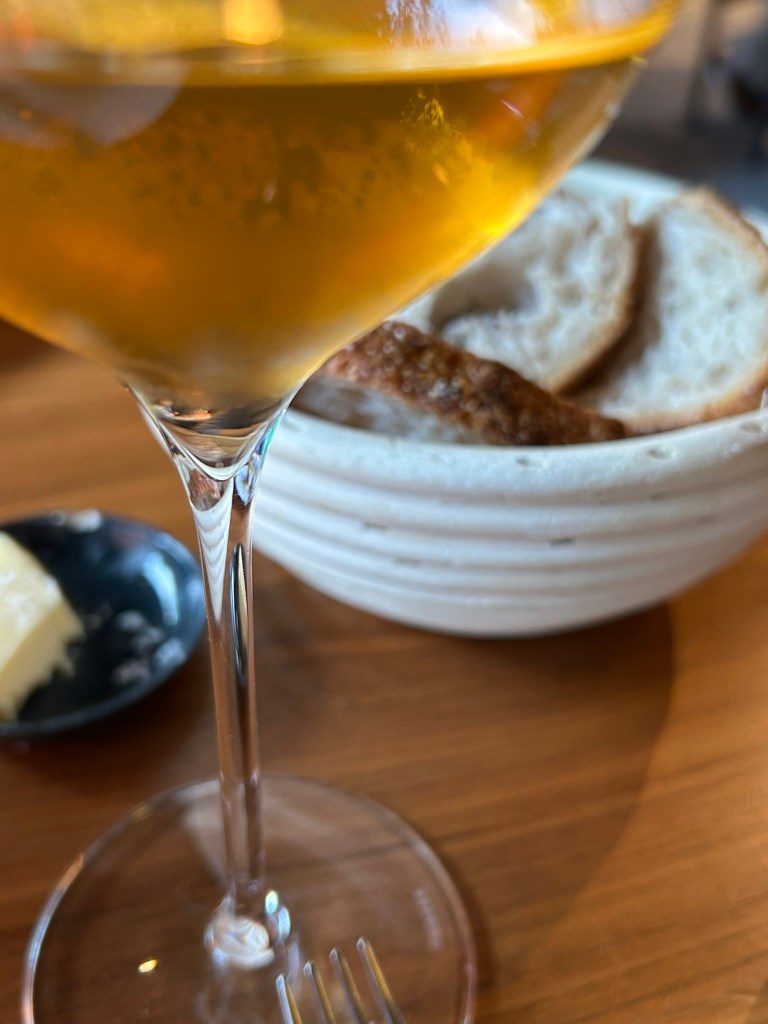
We started with a glass of chilled Slovenian orange wine (white wine where the grape skins are not removed immediately) and a basket of crusty bread with herbed salted butter.

We shared several entrees, the first a dish of bread pasta (the server explained that the pasta is made from semolina and leftover breadcrumbs.)

The beautifully presented dish was constructed with a tarragon puree, red pepper sauce, poppy seed puree and fresh ricotta cheese. The server suggested stirring everything together before we dug in.

If you will excuse the musical metaphor, this was truly a contrapuntal texture of flavors; an intricate fugue of flavors perfectly intertwined!

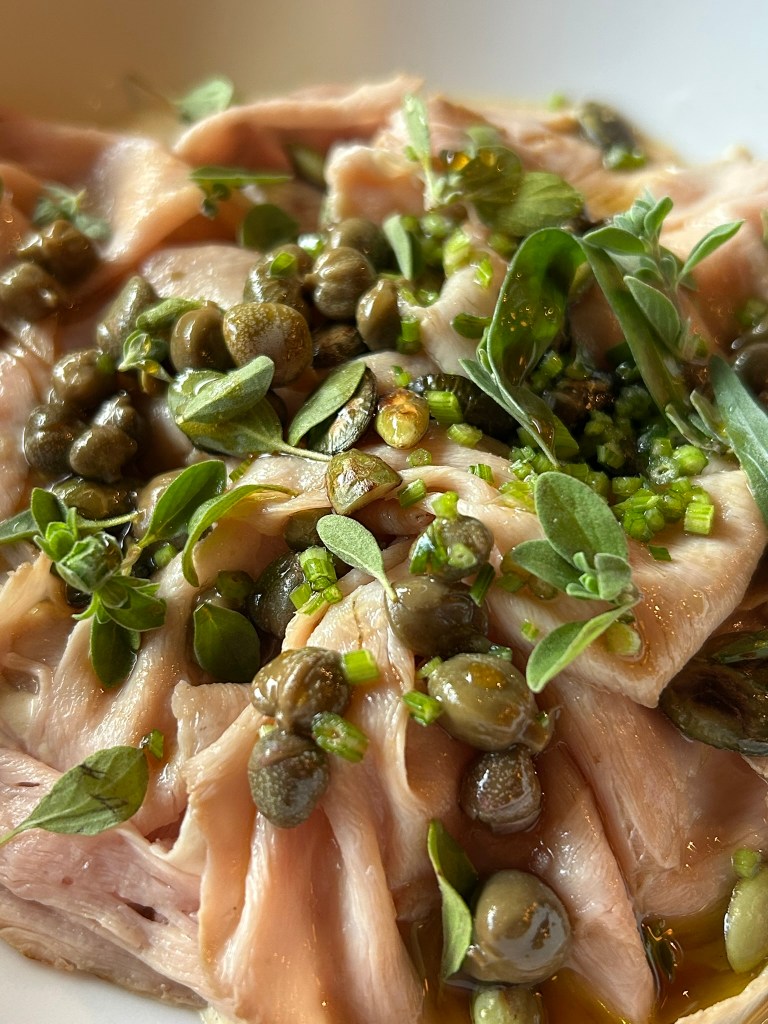
The next course was a light and delicious dish of Vitello Tonnato, (tender thin slices of boiled veal with a tuna and anchovy sauce). The dish was adorned by olive oil, fresh oregano, herbs and fat flavorful capers.

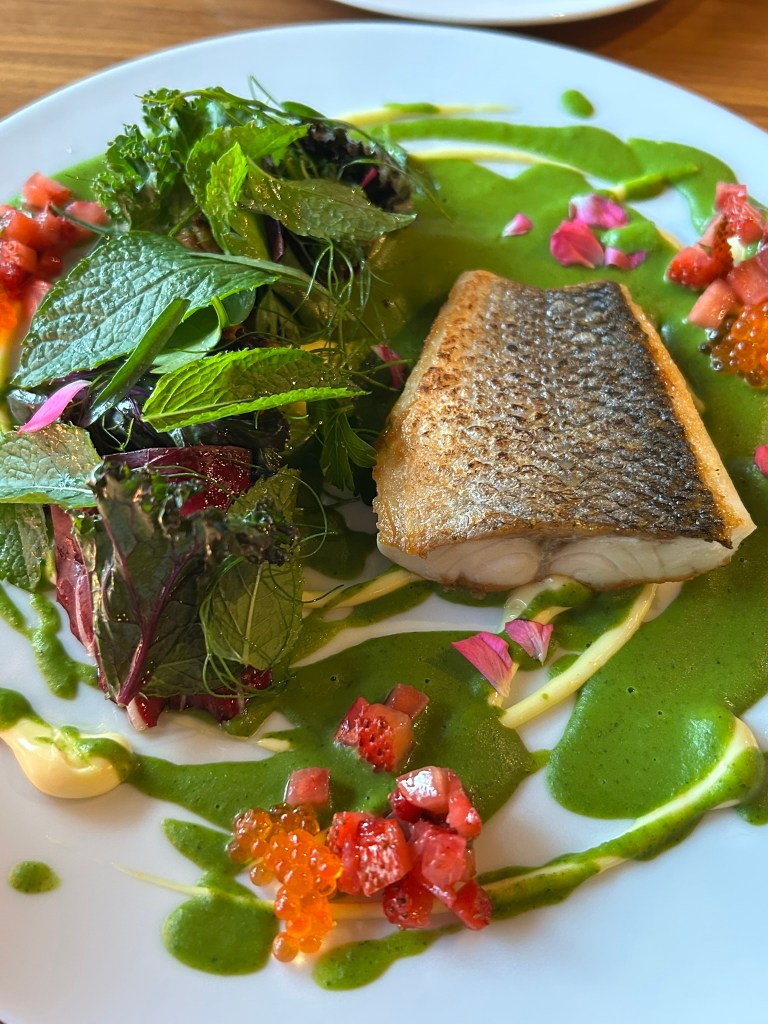
Our last course was grilled fish nestled on a pea puree with local organic greens, fish roe and tiny pieces of sweet strawberry; beautiful as a still life painting.

Thankfully we had left a tiny bit of room for a show stopping Slovenian dessert; Kobarid Struklji, a traditional dumpling filled with ground walnuts, raisins and breadcrumbs, served with a buttery caramel sauce!

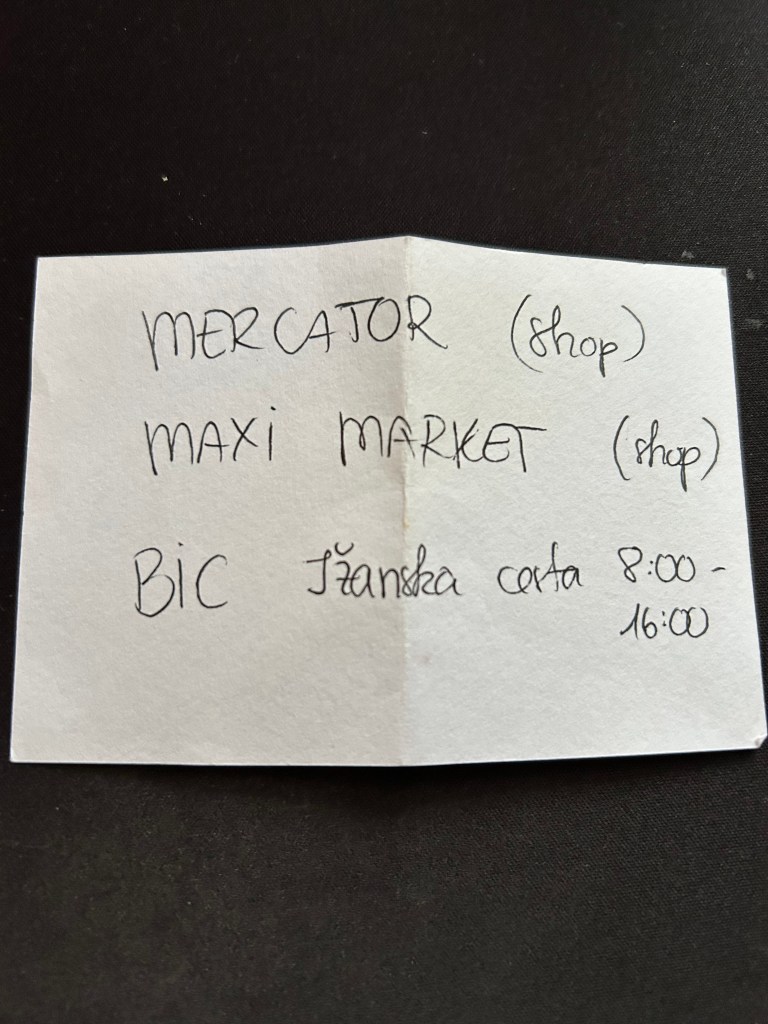
Before the trip, I had read about another traditional Slovenian dessert, a layered cake with poppy seed, apple, walnut and cheese. I asked our server about it and she told us we great pride that one must be certified to sell Prekmurska in stores. She kindly looked up a few places that sold it and wrote the names down for us on a slip of paper.

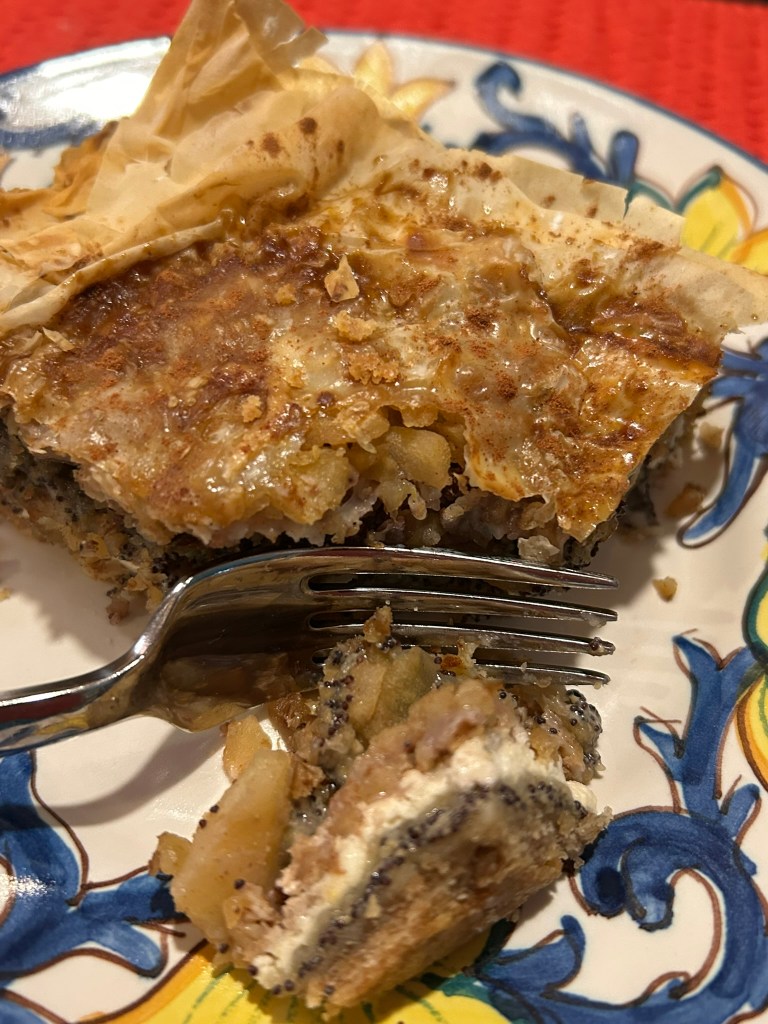
The next morning, we thought it would be fun to search out one of the bakeries that sold Prekmurska. We asked the clerk at the hotel desk for directions and he told us excitedly that they served the cake at the hotel and would we like to have a piece? We purchased a fat slice for a late morning picnic and set off for one more walk around the town before we headed off on our next destination to Trieste in Italy.

Prekmurska Gibanica

It was a hot day and we soon searched out a shady spot. We sat at the foot of a small fountain and took out our treat to share. It was cool and not too sweet- almost a second breakfast.

A group of tourists from Italy soon gathered next to the fountain and we listened to an Italian tour guide talk about the fountain. Although we did not understand a word, the happy sounds of the people in the group chattering in Italian made us excited for the next part of our trip in Italy!

Here is my recipe for Prekmurska Gibanica. I based it on a recipe that I found online from the Slovenian Kitchen blog. Their blog has the following description of the cake:

Prekmurska gibanica originates from Prekmurje, which literally means ‘across the Mura river (region)’, and is the most renowned traditional Slovenian pastry. The name comes from güba, which in the dialect means a fold – implying that it is a type of cake that is folded.

I wanted to make a cake that used only small amounts of coconut sugar, no cream and whole wheat flour in the pastry crust. I also added chopped golden raisons in the walnut layer. This is a project cake, but not too difficult. It makes a large cake, but it can be easily divided and frozen.

Prekmurska gibanica– Traditional Slovenian Layer Cake

1 package phyllo dough (completely defrosted)

Pastry Crust:

1 cup whole wheat pastry flour

1 cup whole grain spelt four

2 tablespoons coconut sugar

1 teaspoon vanilla

1 teaspoon salt

1 stick unsalted butter

3 tablespoons non-hydrogenated shortening (I like the organic Spectrum brand)

3 or more tablespoons ice water

Make the pastry crust:

In the bowl of a food processor combine flours, salt, coconut sugar, butter and shortening until just combined.

Add the ice water and vanilla and process until a ball shape forms. You may need to add more water a tablespoon at a time.

Form into a ball, cover with plastic wrap and refrigerate at least one hour. When you want to make the cake, bring the dough back to room temperature.

Poppy Seed Layer

  • 8 ounces poppy seeds
  • 2 cups milk (you can also use almond milk)
  • 1 tsp vanilla extract
  • 4 tablespoons butter I used Country Crock Plant Butter with Avocado Oil
  • 1/4 cup coconut sugaryou can use more, for a sweeter flavor).
  • 3 teaspoons cornstarch mixed with 1/4 cup water

Walnut Layer

  • 450 g ground walnuts
  • 1 teaspoon ground cinnamon
  • 1/2 cup golden raisons (cut into small pieces if large)
  • 1/4 cup coconut sugar

Farmer’s Cheese Layer

  • 16 ounces farmer’s cheese (can be replaced by ricotta– if you use ricotta, make sure it is well drained).
  • 1 egg
  • 1/4 cup maple syrup
  • 1 tsp vanilla extract
  • zest of 1 lemon

Apple Layer

  • 4 apples
  • 1 tsp cinnamon
  • zest of 1 lemon

8 ounces low fat sour creamI added 1/4 cup maple syrup and the zest from 1/2 lemon

Poppy Seed Layer

  1. For the filling, place poppy seeds, sugar, milk and butter in a sauce pan and bring to a simmer. Cook at medium heat, stirring occasionally until the poppy seeds are cooked and the mixture thickens slightly- this will take about 15 minutes. Add cornstarch slurry and cook until mixture thickens. It will thicken more as it cools.
  2. Add vanilla extract.
  3. Cover and place in fridge.

Walnut Layer

  1. Grind walnuts in food processor- add cinnamon, coconut sugar and golden raisons.

Farmer’s Cheese Layer

  1. Mix all the ingredients for the farmer’s cheese layer together.

Apple Layer

  1. Core the apples, peel them, and grate them. I placed my apples in the food processor and pulsed them for a few seconds- very quick!! Mix the grated apples with cinnamon, and the zest of 1 lemon.

Make Prekmurska gibanica:

  1. Once all the fillings, base dough and phyllo dough are ready, you can start building the gibanica.
  2. First, butter a large rectangular baking pan.
  3. On a floured surface, roll out the pastry crust into a rectangular shape. Place the dough on the bottom of the baking pan.
  4. On the top of the base dough, put one layer of phyllo pastry, spread sour cream over it, and another layer of phyllo dough.
  5. Put half of the poppy seed filling on top of that.
  6. The poppy seeds are then covered with another layer of phyllo dough, sour cream, and phyllo dough.
  7. Over that spread half the farmer’s cheese filling.
  8. The third filling is then walnuts, followed by apples. Each filling is covered with phyllo dough, sour cream, and another phyllo dough layer.
  9. Repeat the procedure with the fillings in the same order and complete with a layer of phyllo dough, sour cream, and one final phyllo dough layer.
  10. On top of the final phyllo dough layer, spread sour cream generously. Sprinkle top with ground cinnamon.
  11. Bake in a preheated oven at (355 Fahrenheit) for 1 hour. If top starts to brown too quickly, cover loosely with foil until done. Let cool for 1 hour before serving.

ENJOY!!

AND: Here is the “Tree of the Week”!

“I Feel Like I have a Hole in My Head!”

Buttercup Preserve-Stanfordville, NY

HAPPY SUMMER!!
Winter Strolls on Merwin Road and Cod Fish Cakes!

One of my favorite places to walk is on Merwin Road at Spencer’s Corner in Millerton, New York. I come here often when I have a short break from teaching. My stroll starts at the old Spencer’s Corners Burying Ground.

I continue down the street that is symmetrically lined with maple trees. In the summer, the trees offer a welcome canopy of cooling shade and at this time of year, they act as a buffer from the stiff frigid wind that blows from the surrounding mountains over the fields.

Merwin Road- Millerton, NY

My beloved brother in-law Perry recently passed away after a long struggle with early onset dementia; this week there will be a Celebration of Life service held in his honor. This blog entry is dedicated to his memory; he was a kind, sincere, warm and intelligent man with a lovely sense of humor. He keenly observed nature and weather conditions and I know he would appreciate the quick changes on Merwin Road; one week a blustery snowy landscape and a few days later, rusty brown fields.

Merwin Road- Millerton, NY

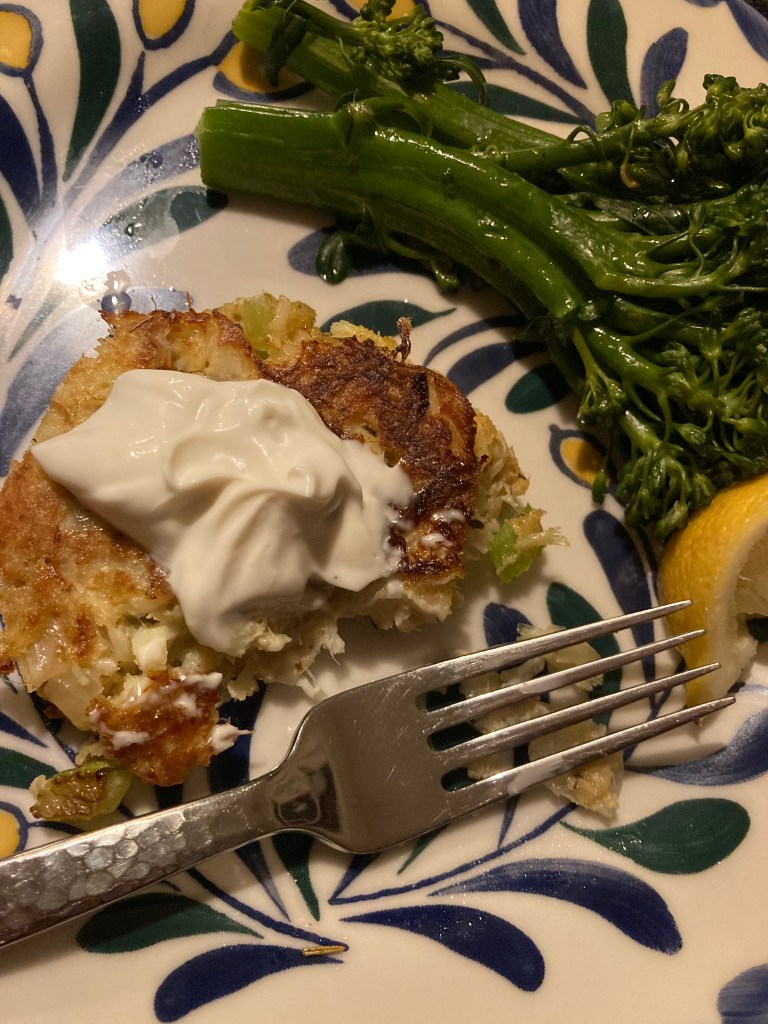
The other day at the fish counter, the wild caught cod looked especially fresh and my thoughts turned to crunchy cod fish cakes for dinner. I remembered a recipe from the New York Times Cooking column for cod cakes which I based my recipe on. The fish is first poached gently with lemon slices, bay leaf and black peppercorns and this gives the fish a wonderful subtle flavor. This step is well worth the extra time required. We served these crispy little beauties with lemon slices and a sauce made from veganaise, lemon, mustard and capers along with chunks Japanese sweet potato roasted with olive oil and rosemary and steamed broccolini. I hope you enjoy making these!

Cod Cakes (based on NY Times Cooking recipe by Sam Sifton

INGREDIENTS

Yield:4 to 6 servings as a main course, 6 to 8 servings as an appetizer

  • 4 peppercorns
  • 1 bay leaf
  • 1 lemon, cut into eighths
  • 3/4pound cod fillets, or other white flaky fish
  • 1 tablespoon extra virgin olive oil
  • 1 rib celery diced
  • 1 medium-size yellow onion, peeled and diced
  • 1 heaping tablespoon mayonnaise,( I use vegenaise)
  • 2 teaspoons Dijon mustard
  • 1 egg
  • 1 teaspoon kosher salt
  • ½ teaspoon freshly ground black pepper
  • 1 teaspoon dried thyme
  • 2 teaspoons Old Bay seasoning
  • 3/4 cup panko bread crumbs (add more if mixture is too soft)
  • 1/4 bunch parsley, roughly chopped
  • ¼ cup neutral oil, like canola

PREPARATION

  1. Fill a shallow, wide pan with high sides with about an inch of water, and set it over high heat. Add the peppercorns, bay leaf and 1 section of the lemon to the water, and allow it to come to a bare simmer. Place the fish into this poaching liquid, and cook, barely simmering, until the flesh has just begun to whiten all the way through, approximately 6 to 8 minutes. Using a wide spatula, carefully remove the fish from the water, and set aside to cool.
  2. Empty the pan, and return it to the stove, over medium-high heat. Add the olive oil, add the celery & onions, and sauté, stirring often, until the vegetables soften and the onions turn translucent, then transfer them to a large bowl.
  3. In a small bowl, mix together the mayonnaise, mustard, egg, salt, pepper and Old Bay seasoning, then add this mixture to the bowl with the sautéed vegetables, pour the bread crumbs over them and stir to combine. Add the parsley, and stir again.
  4. Flake the cooked fish into the binding sauce carefully, keeping the flakes as whole as you can manage, then gather them into small balls, and form them into patties, 4-6 for a main course, 6-8 for an appetizer. Place them on a sheet pan or platter, cover loosely with plastic wrap and transfer them to the refrigerator for at least 30 minutes to set.
  5. Set a large sauté pan over high heat, and add to it the neutral oil. When the oil is shimmering, remove the fish cakes from the refrigerator, and carefully sauté the patties until they are golden brown, approximately 4 to 5 minutes a side. Work in batches if necessary. Serve them alone, or with greens dressed in a lemony vinaigrette, with the remaining wedges of lemon.

Sauce:

Ingredients:

1/2 cup Vegenaise

2 teaspoons dijon mustard

1 tablespoon fresh lemon juice

2 teaspoons capers

salt and freshly ground pepper to taste

Mix all ingredients together in a small bowl.

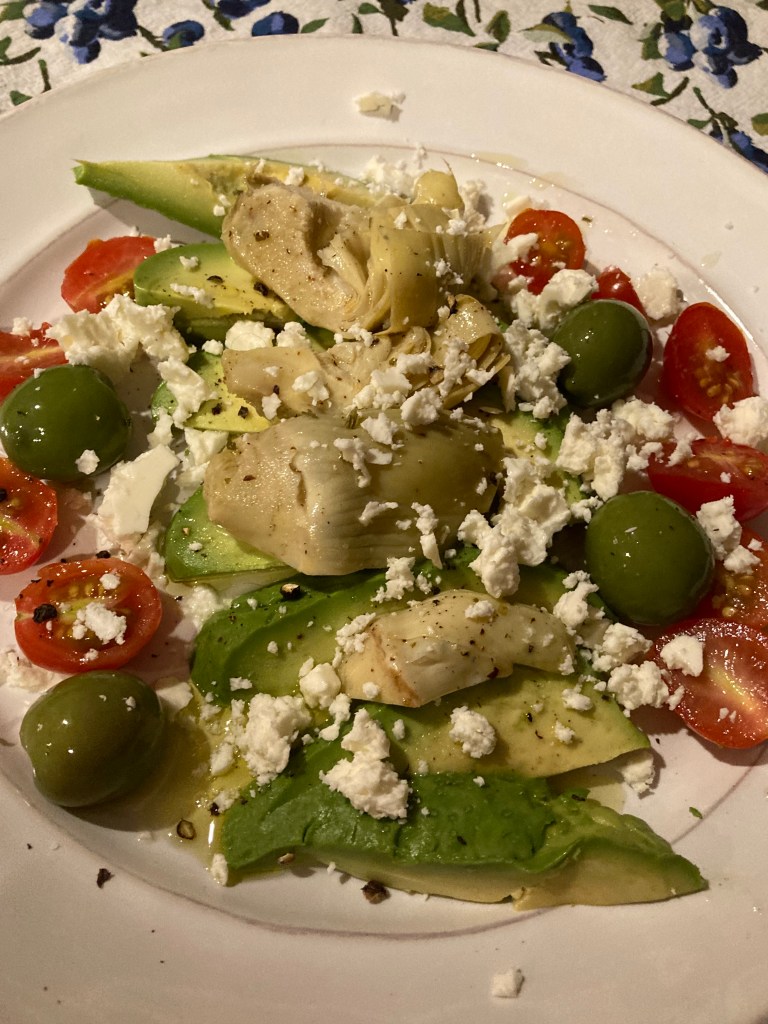
We also accompanied our meal with a quick antipasto that included sliced avocado, cherry tomatoes, green olives, marinated artichoke hearts and crumbled feta cheese. Drizzled with olive oil and lightly sprinkled with salt and freshly ground pepper- no recipe here- but so pretty we had to take it’s picture!

AND: Here is the first 2024 “Tree of the Week”:

Oh My!”

STAY WARM AND SAFE!

California Foodie Adventure: Part 2 and The Montini Nature Preserve

It’s a while since I have posted a blog- it’s been a busy spring including planning for my group Hevreh Ensemble’s upcoming tour to Iceland. The itinerary is all set for an early July departure and I am finished with a busy semester of teaching- time to revisit my spring trip to California!

In early March, under a professional development grant from Hofstra University, I collaborated with the renowned jazz oboist Paul McCandless.

What a gift it was to have two days of incredible sessions together and then it was time for a foodie road tour; jam packed with lunch and dinner reservations, accompanied by my dear friend Carol.

Here is Part Two of our delicious foodie adventure:

After a few days of delicious, innovative and very rich food, a morning walk was in order. We stayed at the Seven Branches Inn, a lovely small boutique hotel in Sonoma, less than a mile away from the Montini Nature Preserve.

Seven Branches Inn Balcony

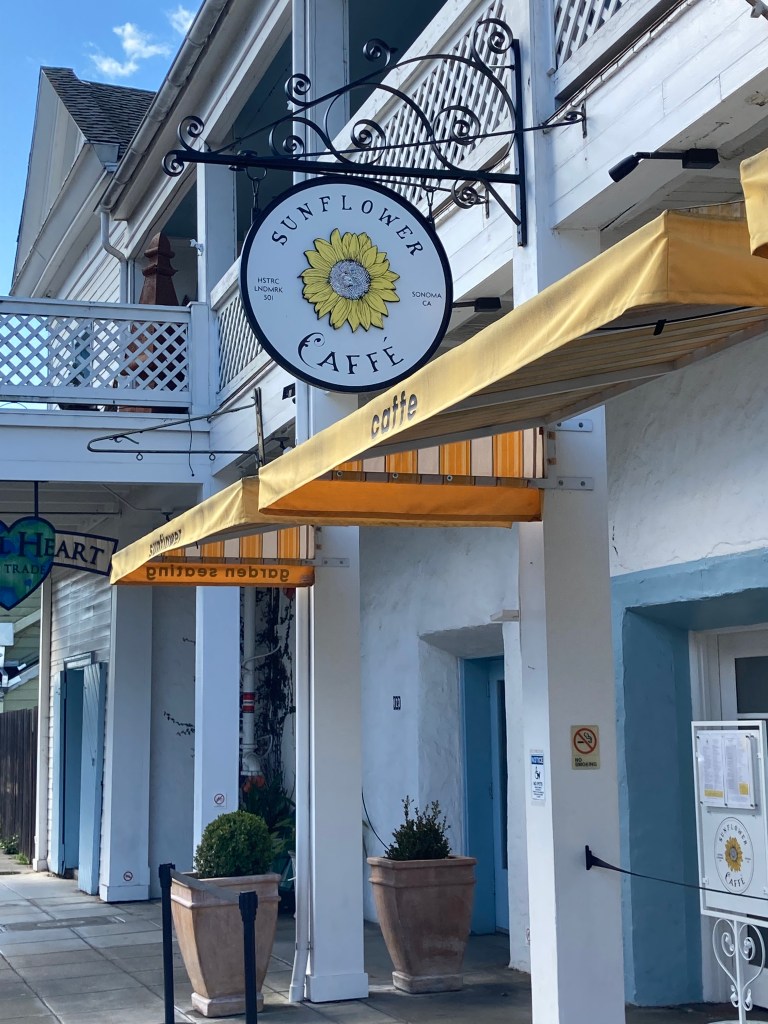
We enjoyed a light but filling breakfast Sunflower Cafe in Sonoma and then headed out to the trails.

Our delicious breakfast included chia pudding that was topped with fresh mango puree, slivered almonds, hazelnuts, raspberries and granola along with crusty slices of whole grain toast and chai lattes.

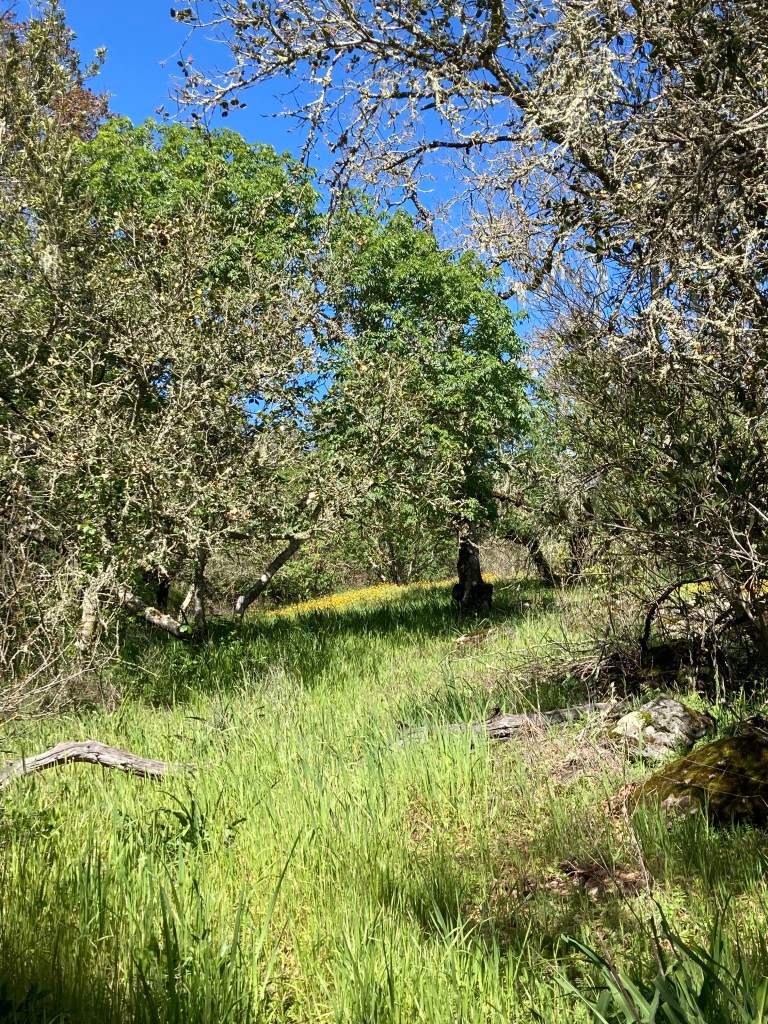
It was early spring in March and because of the extra rainfall California experienced, the landscape was lush and green and the hills were covered with brilliant yellow wildflowers.

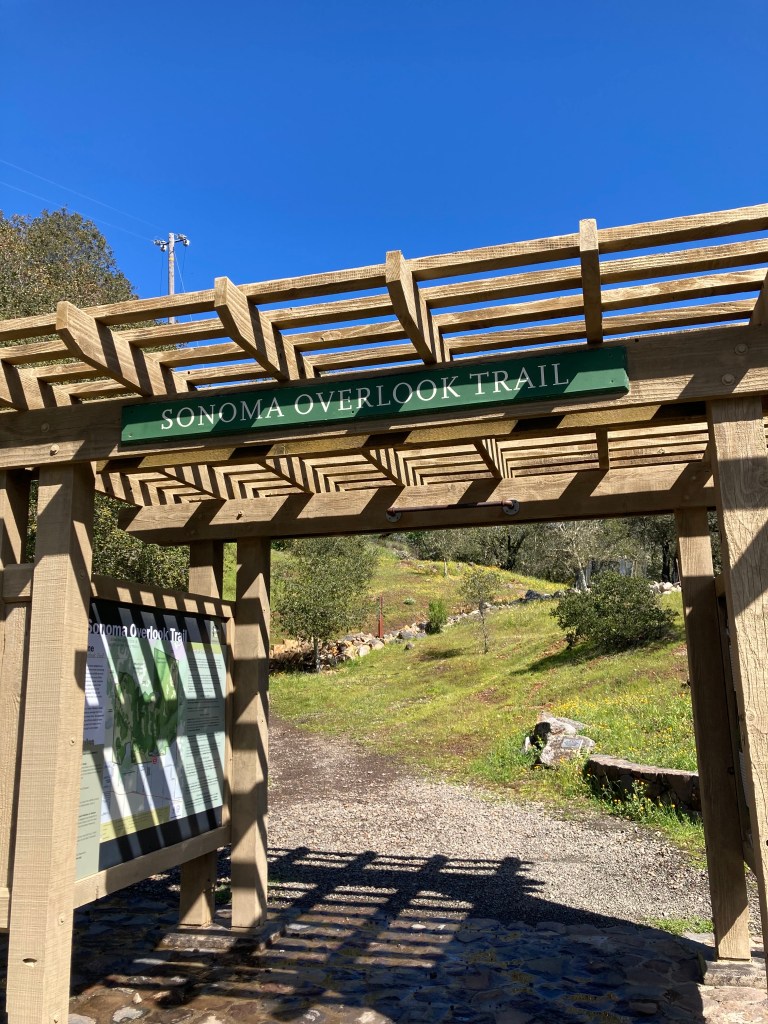
At every turn on the Sonoma Overlook Trail the scenery was beautiful.

Montini Nature Preserve- Sonoma, CA

This being a trip for relaxation and stress reduction, we decided to treat ourselves to spa treatments at the nearby Spa at MacArthur that included both foot reflexology and lovely hot stone massages. Carol remarked that the massage therapist had hands like an octopus, she was everywhere at once; intuitively placing the hot stones in all of the places of tightness and tension- simply heavenly!

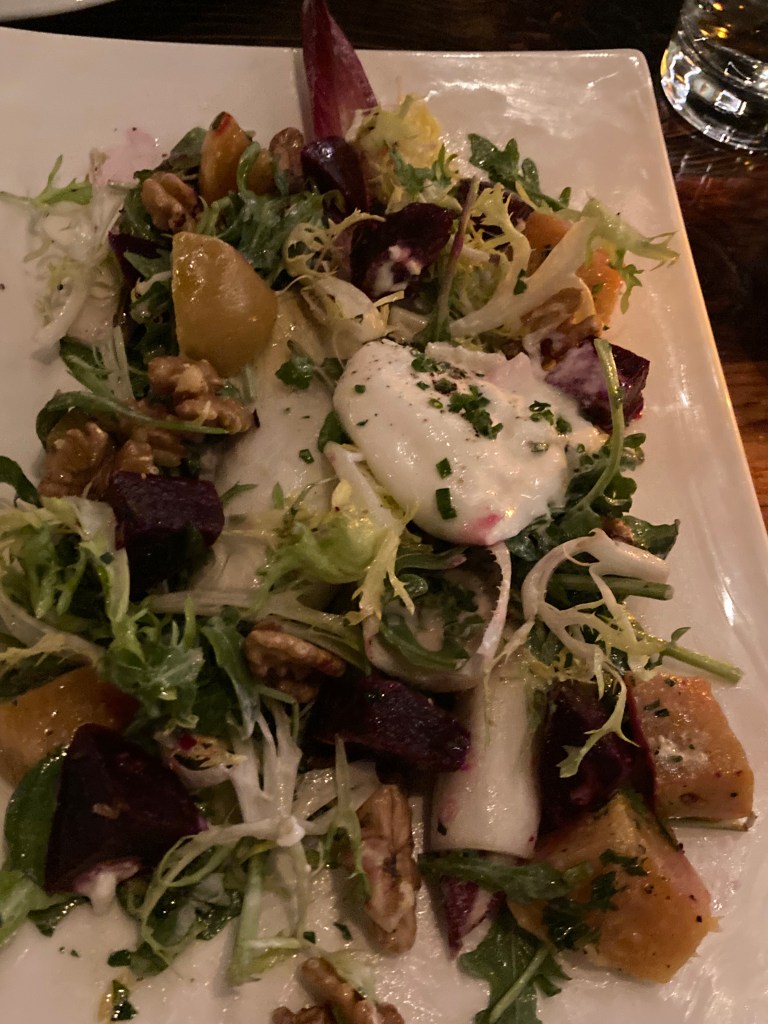
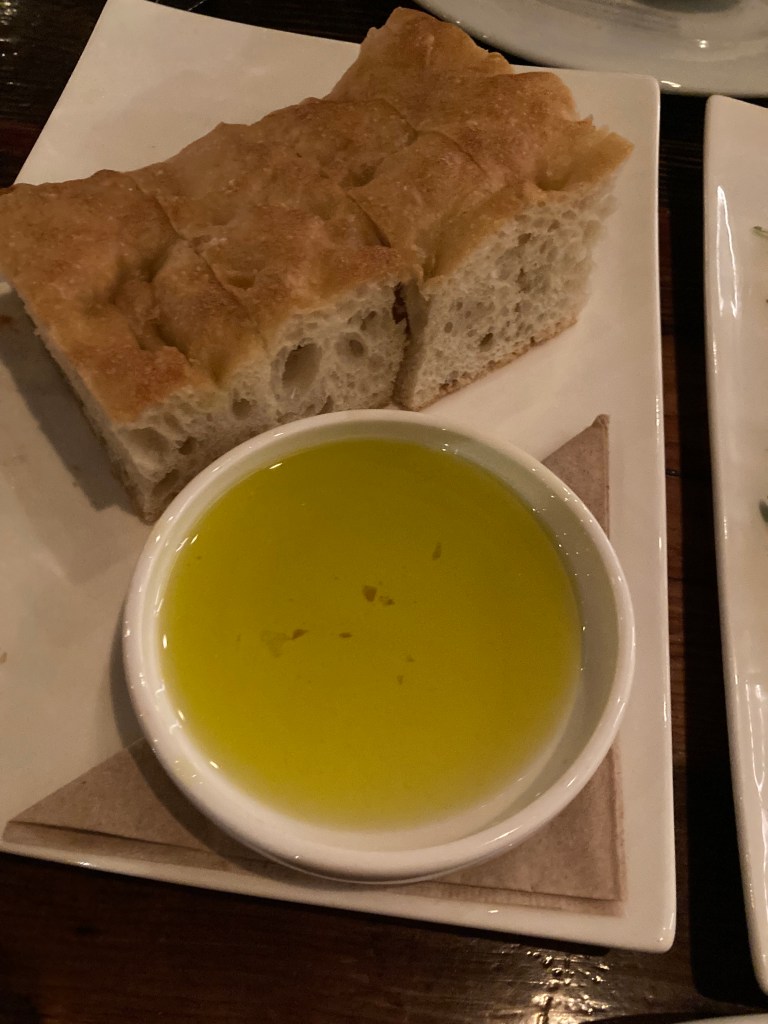
Feeling that for the moment that all was well with the world, we completed the day with dinner at Oenotri; a contemporary Italian restaurant in nearby Napa. We shared everything and enjoyed a delicious salad of roasted beets and creamy burrata cheese accompanied by crusty focaccia and grassy pungent California olive oil.

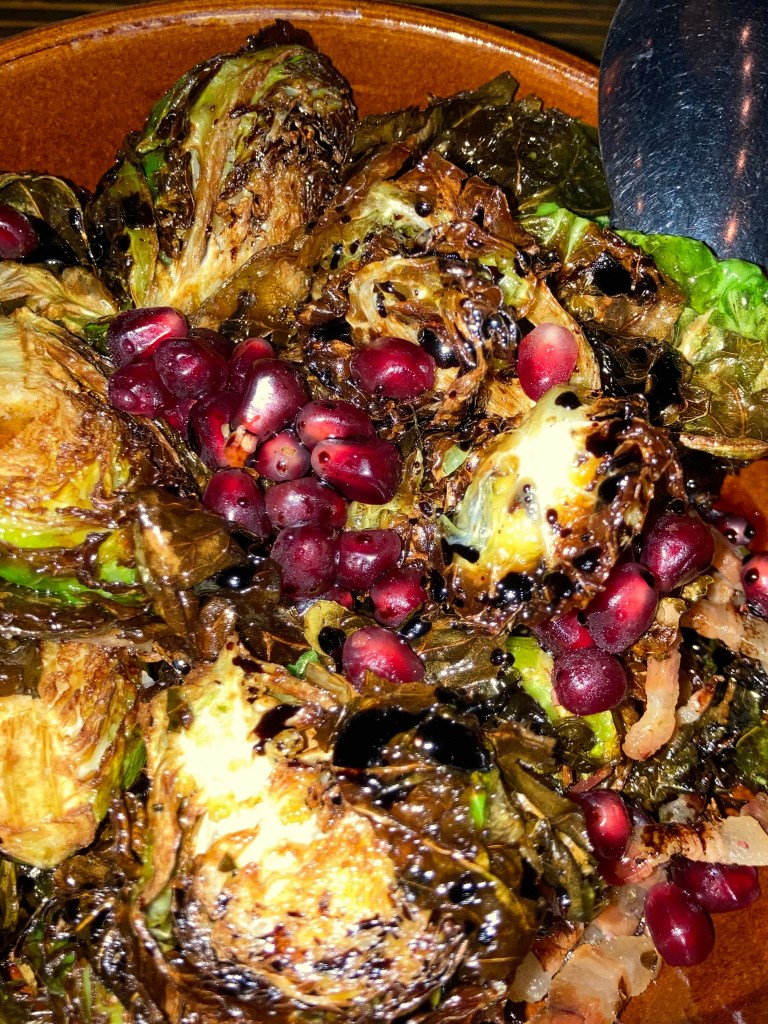
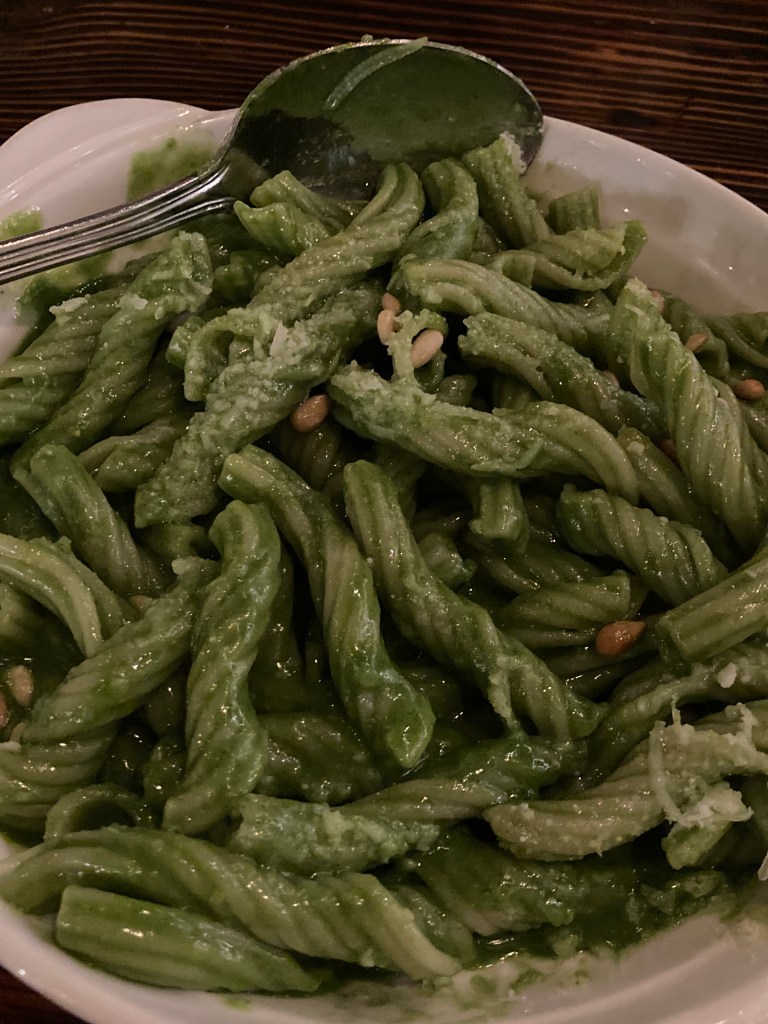
We savored crispy brussel sprouts with a balsamic glaze and pomengranite seeds along with homemade pasta with arugula pesto.

For dessert we shared a bittersweet chocolate pot de creme- a perfect ending to a memorable meal!

A few more restaurants will appear in the next installment where we ended our foodie adventure with a coveted reservation at Alice Water’s venerable restaurant Chez Panisse!

**********

If possible, I try to cook with fresh local organic produce; our trip to California reinforced my love of simple well prepared food with the best possible ingredients.

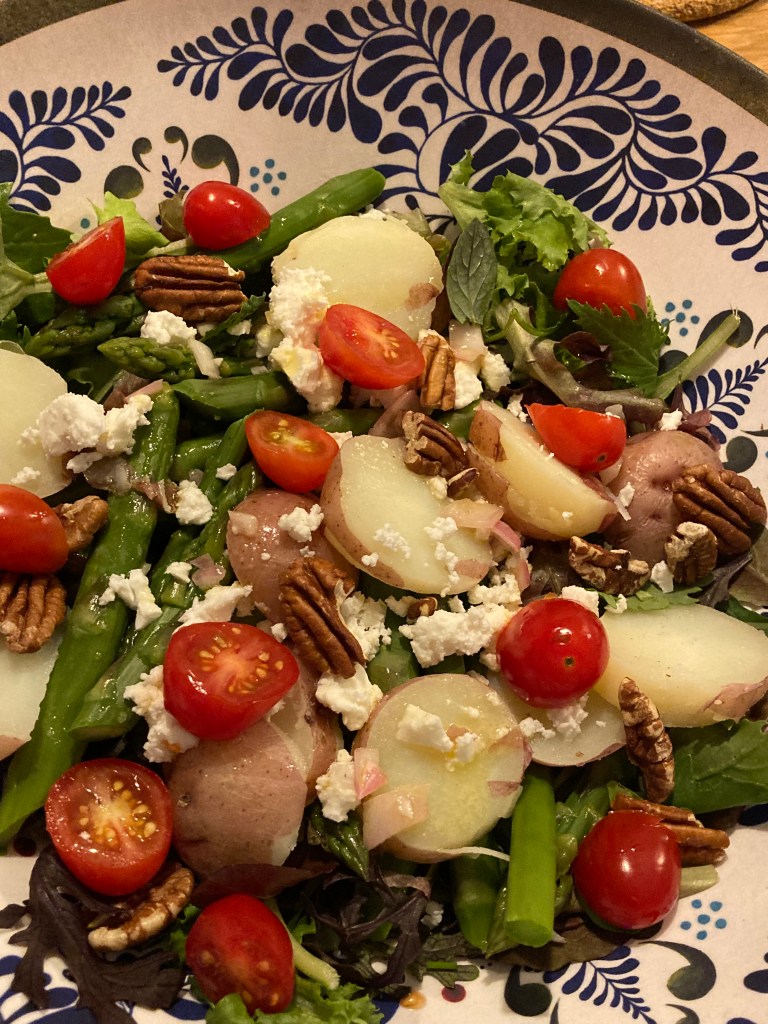
In the summer, in our neck of the woods, we are blessed with farm markets and excellent organic farms. Inspired by the local bounty surrounding me, I decided to make a summer salad along with spicy crispy shrimp for our dinner. With a base of organic mesclun, I added boiled new baby potatoes and fresh asparagus with cherry tomatoes, toasted pecans and feta cheese and chives from my herb garden. I drizzled this with a dressing that I made with live oil, red wine vinegar, lemon, garlic and shallots.

Summer Salad

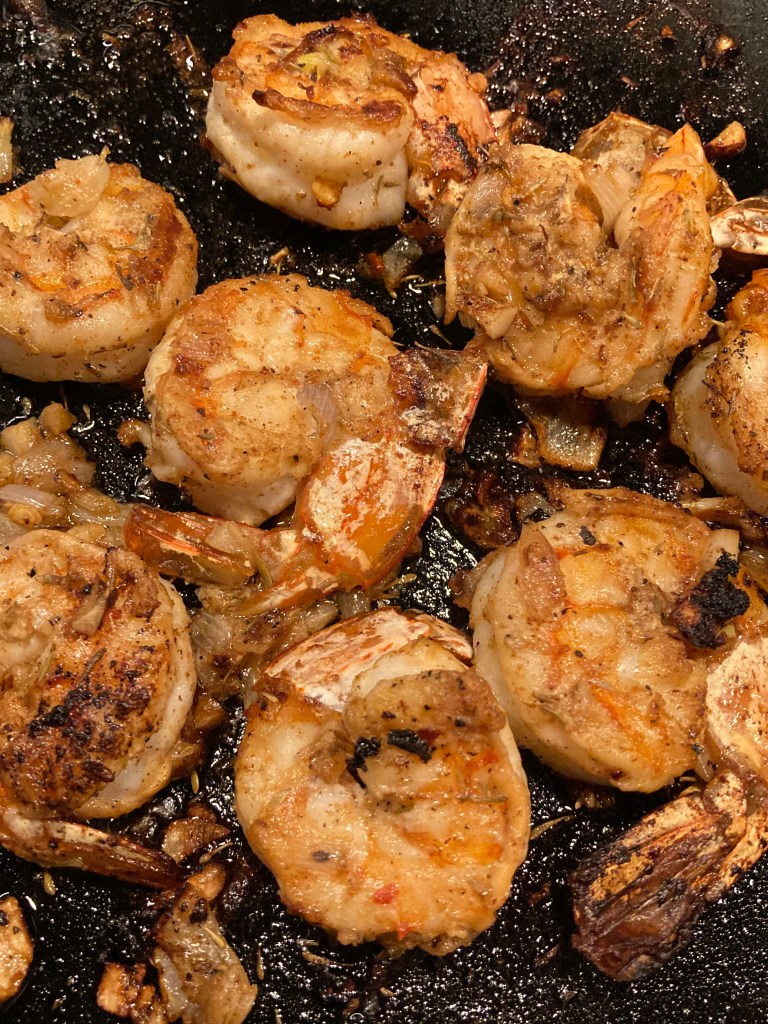
I marinated shrimp with lemon juice, olive oil, plenty of chopped shallots and garlic, dried thyme, ground cumin, smoked paprika, salt and freshly ground pepper and red pepper flakes.

I heated a cast iron pan with a glug of olive oil in the broiler until the pan was very hot and smoking and then placed the shrimp with all of the marinade into the pan. It made a loud and satisfying sizzling sound! I cooked the mixture until the shrimp was crispy and the bits of shallots and garlic were dark brown- almost on the side of being overdone- all delicious with crusty French bread!

ENJOY!!

Summer Salad

Ingredients:

Organic Mesclun Mix (I used about 1/2 of a package)

6 red baby potatoes

6-8 stalks asparagus

handful toasted pecans

2 or 3 chives finely minced

6 cherry tomatoes cut in half

small piece feta crumbled

Place mesclun in salad spinner, wash and spin dry.

Boil potatoes until soft, let cool and then slice thinly.

Wash asparagus and cut on the diagonal into medium sized pieces. Place in a small pot of cold water, bring to a boil and cook briefly. Rinse under cold water.

Place mesclun in a large bowl, add other ingredients and pour on dressing- mix lightly and serve immediately.

Dressing:

Lemon juice from about 1/2 lemon (I did not measure the ingredients for the dressing, so feel free to adjust according to taste)

dijon mustard

extra virgin oilve oil

one garlic clove finely chopped

1 small shallot finely chopped

Mix together ingredients and let sit for about one hour to let marinate.

Spicy Crispy Shrimp

Ingredients:

8 medium wild caught shrimp, peeled and deveined- keep tails on

2 tablespoons extra virgin olive oil

Marinade:

1/4 cup extra virgin olive oil

fresh lemon juice- about 1/4 cup or more is also fine

3 shallots finely chopped

3 garlic cloves finely chopped

1 teaspoon dried thyme

1 teaspoon ground cumin

1/2 teaspoon smoked paprika

1 teaspoon red pepper flakes

salt and freshly ground pepper

To Make Shrimp:

Mix all marinade ingredients in a medium size bowl.

Peel and devein shrimp leaving tails on.

Place shrimp in marinade and refrigerate about one hour.

Turn broiler to high.

Place a cast iron pan in oven with about 2 tablespoons olive oil.

Heat pan until almost smoking (put on exhaust fan!)

Add shrimp and marinade to pan. Cook until shrimp are browned and garlic and shallots are well done.

Enjoy!

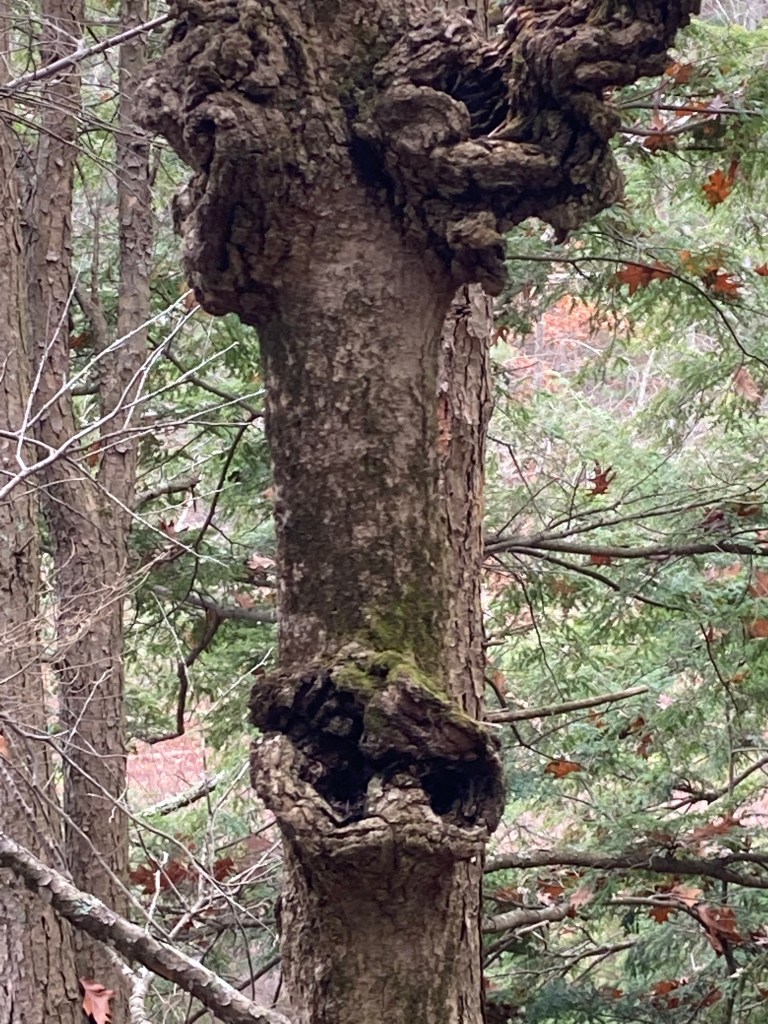
AND: Here’s the “Tree of the Week”

” I practiced my giraffe stretch and now I am stuck!”

HAPPY SUMMER!

Autumn in Chelsea: Himalayan Art at the Rubin Museum

Rubin Museum of Art

I am back to my fall teaching schedule at Hofstra University in New York where I teach oboe, recorder and chamber music. I often combine my trip to New York City with food and art explorations. The crisp cooler air is energizing and I am excited to head out to visit art museums and galleries and to discover more of the wonderful ethnic neighborhoods and small restaurants that make New York City so unique.

One clear and sunny Saturday morning I decided to go to Chelsea; an area on the West Side of Manhattan that stretches from 14th street to the upper 20’s; from the Hudson River to the west and to 6th Avenue to the east.

The neighborhood is known as the center of the city’s art world with over 200 art galleries and recently has seen good a good deal of gentrification. When I was a young music student at Juilliard, my boyfriend at the time lived on a block in Chelsea that had seen better days. The windows in his walk up apartment faced a dark courtyard where feral cats fought and the sound of their loud screeching made a caterwaul that reverberated against the walls- very peaceful. One day, two cats engaged in an especially ferocious battle flew through an open window and landed with an unceremonious thud on the floor of the apartment. I’m not sure who was more surprised; the cats or the people!

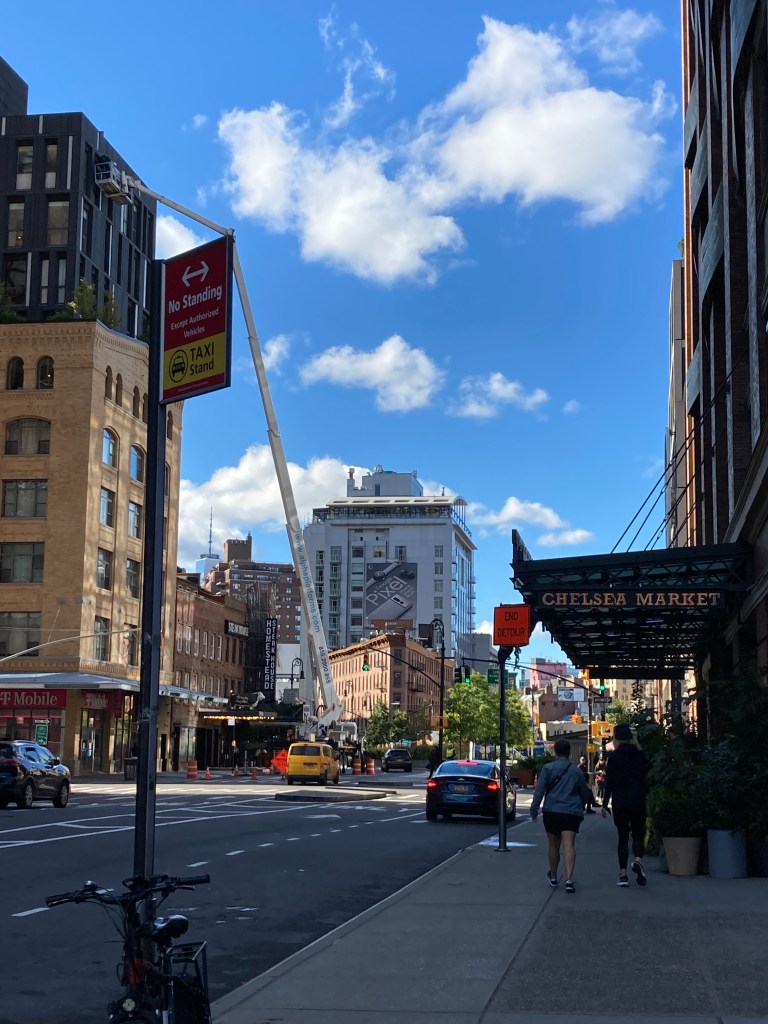
Walking down a Chelsea street the other day, I passed by glitzy new high rises, trendy art galleries and fancy restaurants.

I had planned to visit The Rubin Museum of Art, which features masterpieces of Himalayan art. I arrived before the museum opened and decided to visit Chelsea Market, just a few blocks away.

Chelsea Market is housed in an enormous old factory that once was the National Biscuit Company, later known as Nabisco. Built in 1913, the building stretches from 9th to 10th Avenue and fills up a whole city block.

Vendor stalls were selling everything from falafels, sushi, dumplings, noodles, Tai food, etc. Side by side with upscale stores and outposts were of some of the best NYC bakeries. The maze of hallways was somewhat overwhelming with sensory overload. In a small dose it was exhilarating; an atmosphere supercharged with energy and extravagant Halloween decorations.

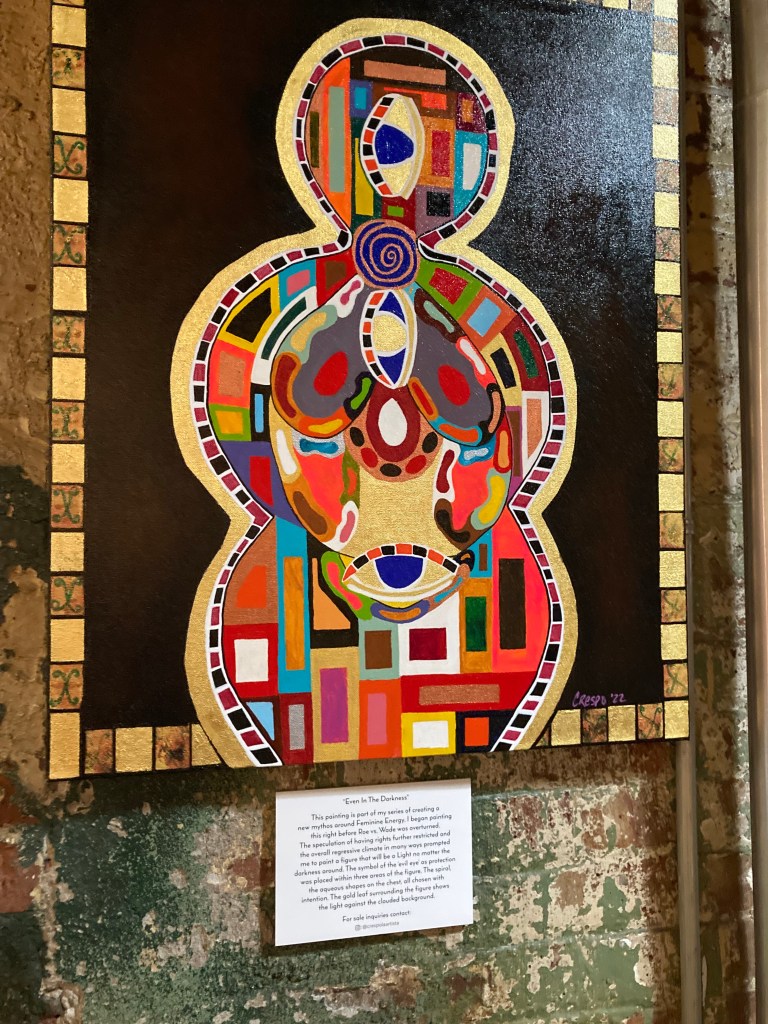
Walking slowly through the labyrinth of hallways, I enjoyed looking at colorful and vibrant works of art displayed on the walls.

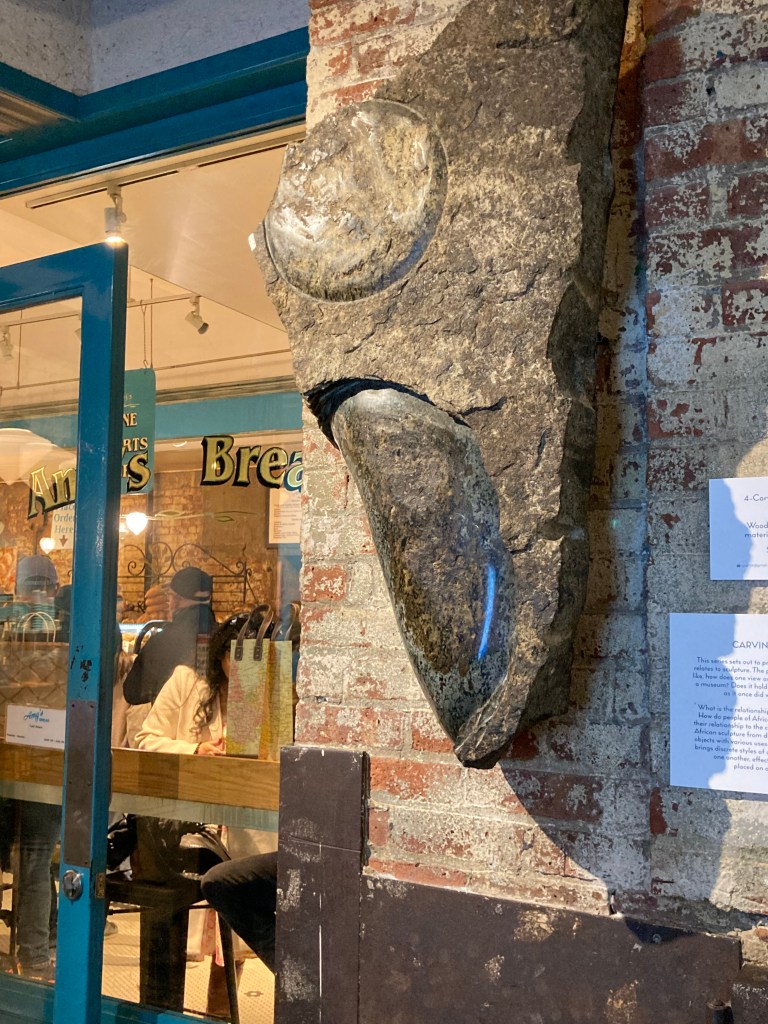
I saw one of my favorite all time bakeries, Amy’s Bread, which makes some of the most delicious bread in the city. At this point, I was just browsing and admiring.

And then I succumbed to temptation; ahead of me was an outpost of the famous bakery/restaurant Sarabeth’s. According to her website, Sarabeth Levine first began her business in 1981 making her family’s unique 200-year-old recipe for Orange Apricot Marmalade at her apartment in New York City.

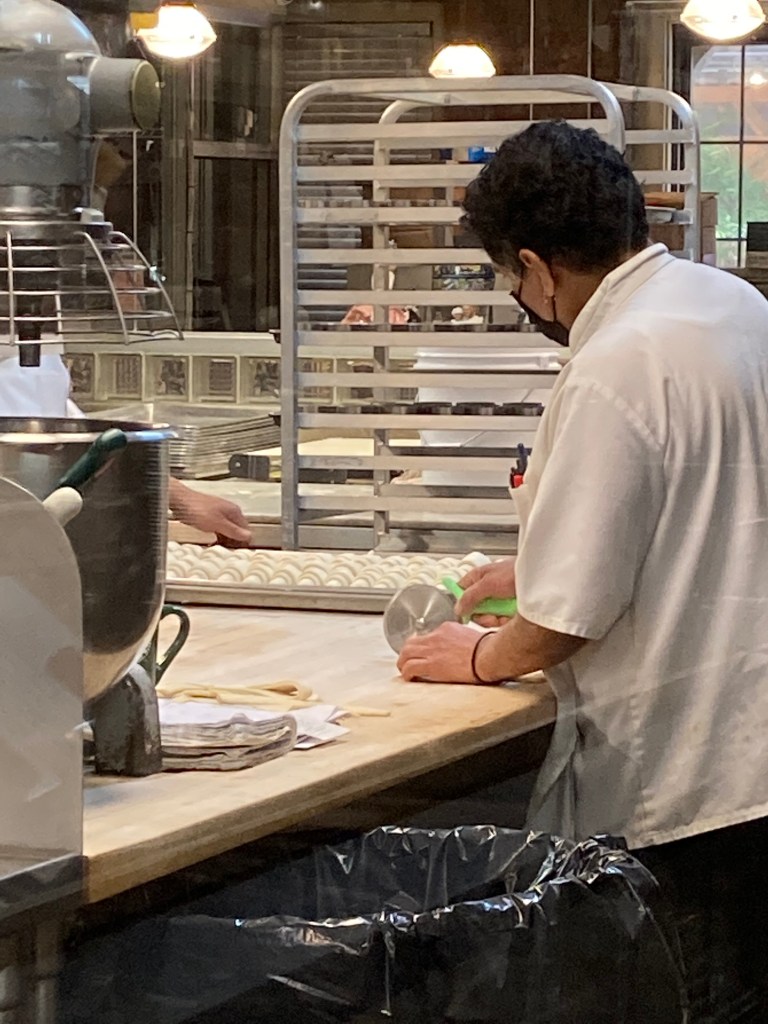
Manhattan’s Chelsea Market Sarabeth location operates a 15,000 square foot jam manufacturing facility and a 4400 square foot wholesale bakery, café, and retail shop. It was great fun to walk through the bakery. It is setup so that the first thing one sees is the manufacturing facility. I joined in with the tourists and watched the bakers making croissants and English muffins!

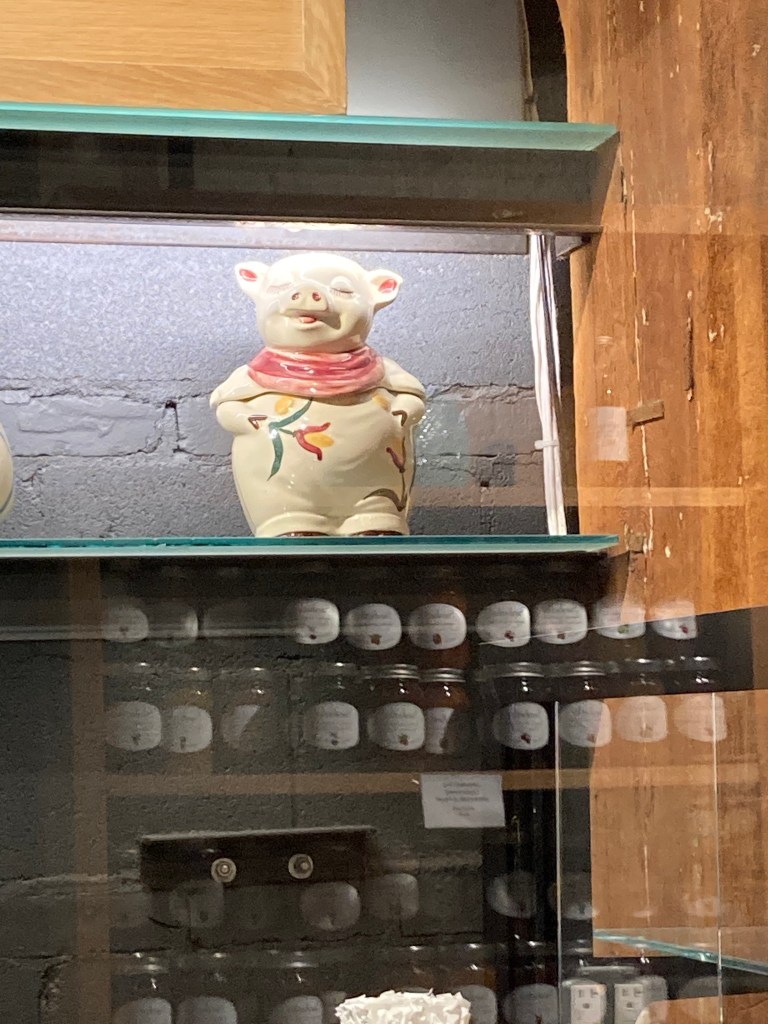
Everything in the bakery looked delicious; I chose a pumpkin muffin to savor on my trip home and I was delighted to see a homey pig ceramic figure above the counter.

It reminded me of my own antique 3 little pigs that grace my kitchen window sill.

I headed back to the museum and after the frenetic energy of the Chelsea Market, entering the peaceful and serene atmosphere of the Rubin felt like a calming balm. Himalayan art is featured; including the cultures of Nepal, Tibet, and Bhutan as well as the interrelated traditions of India, Mongolia and China. The artwork in the exhibitions depict figures and symbols where sacred images play a prominent role.

The museum was founded by art lovers Shelley and Donald Rubin in 2004 and is the site of the former store, Barney’s-a bastion of New York fashion and celebrity.

There was s0 much to take in, with six floors of art and exhibits. I concentrated on a few masterpieces that were rich with depth and complexity.

“Wheel of Existence”- The Rubin Museum of Art

Rubin Museum of Art

And then it was time to savor the pumpkin muffin that I had purchased from Sarabeth’s for the two hour drive home. I bit into the top of the muffin strewn with toasted walnuts and a light crunchy glaze. The texture of the muffin was light but moist, not too sweet and with hints of nutmeg and ginger; pure perfection!

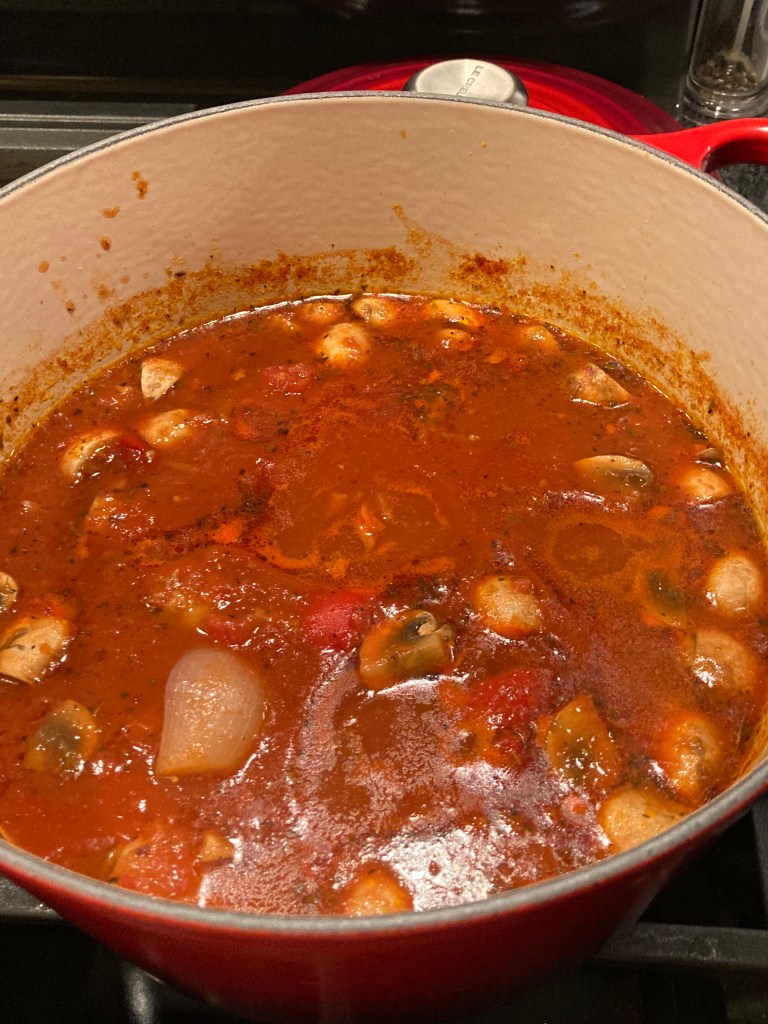
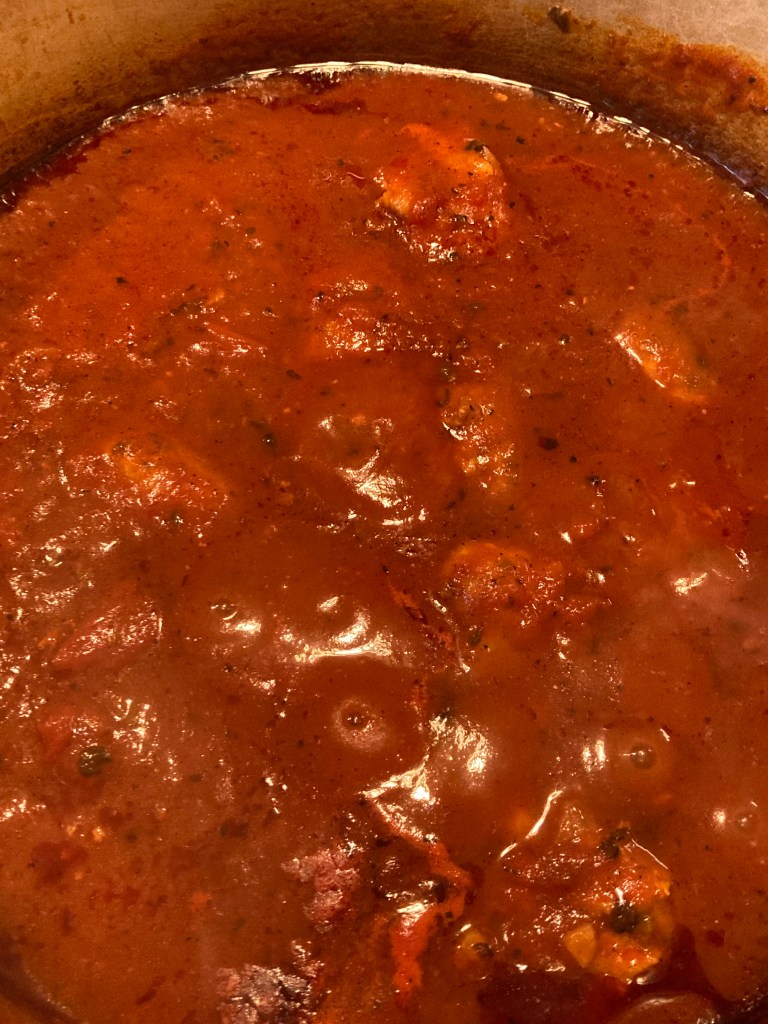
The cooler days have also put me in the mood for cooking with long simmered dishes that fill the house with enticing aromas. I have made countless stews, braises and soups in my heavy blue La Creuset cast iron enamel pot. I like to think that the pot has absorbed it’s own particular character with the many flavors of food cooked in it, but it was starting to exhibit wear and tear, with a stained scratched cooking surface. One day while perusing an online sale from Sur la table, I decided to treat myself to a new bright red La Creuset pot; a tad larger and all the better to make larger amounts of recipes for our guests! For the first dish that I cooked in the pot, I decided on a chicken stew made with red wine, shallot, onion, mushroom, red pepper, thyme, basil, oregano and plenty of garlic. Served over whole wheat rotini, accompanied by sauteed broccoli rabe, freshly grated pecorino cheese and more red wine, it was wonderful first act for my new pot!

Fall Chicken Stew

Ingredients:

2 pounds boneless skinless chicken thighs

1 cup red wine

1- 28 ounce can crushed organic tomatoes

4 shallots finely diced

1 medium onion finely diced

1 large red pepper cuts into thin strips

5-6 button mushrooms cut into quarters

salt and freshly ground pepper to taste

4 cloves garlic peeled and finely chopped

1 teaspoon dried thyme

1 teaspoon dried basil

1 teaspoon dried oregano

3 tablespoons extra virgin olive oil

To Make Chicken Stew:

In a large heavy cast iron pot, heat olive oil.

Add boneless chicken thighs to pot, sprinkle with salt and freshly ground pepper and brown well on each side.

Add chopped onions and chopped shallots; saute until translucent and slightly softened. Add garlic and cook about 2 minutes.

Add dried oregano, thyme and basil.

Add sliced red peppers and chopped mushrooms cook about 3-4 minutes.

Add crushed tomatoes and about 1 cup water. You can always add more water later if the mixture is too dry.

Add red wine and bring mixture to a boil.

Cover pot and reduce to a simmer.

Cook over low heat for about 1 hour until chicken is very tender and vegetables are soft.

Adjust seasoning as desired.

ENJOY!

AND: As always, here is the “Tree of the Week.”

“Feeling a little nervous “

HAPPY AUTUMN!

Cornmeal Peach Cake and Joe-Pye Weed at Steeple Top!

Steeple Top Reserve- New Marlborough, MA

I have been enjoying collecting my notes for the next Iceland Post; Part 4: Foodie Heaven. I got waylaid this week by the lusciously sweet fragrant peaches that have appeared in our local farmers markets and also by August sightings of Joe-Pye Weed. Foodie Heaven will return shortly!

The weather finally broke and it was possible to walk again without feeling the oppressive heat and humidity weighing down on me. My husband Paul had gone out for an early morning hike with a friend (not an early riser here!) I made an executive decision that there was to be no practicing this day; I headed out for the Steeple Top Reserve in New Marlborough, MA. We often went there during the pandemic because there were usually few people. I was in the mood for quiet contemplation and to be completely alone. So, it was just me for the entire 2 mile loop, although I wasn’t really alone; I was accompanied by many bugs and the mosquitos also had a lovely time!

The Steeple Top trail winds through woods down a small hill to a marsh area with many species of birds, cat tails, tall grasses and wildflowers. It was a bright clear day with gentle breezes.

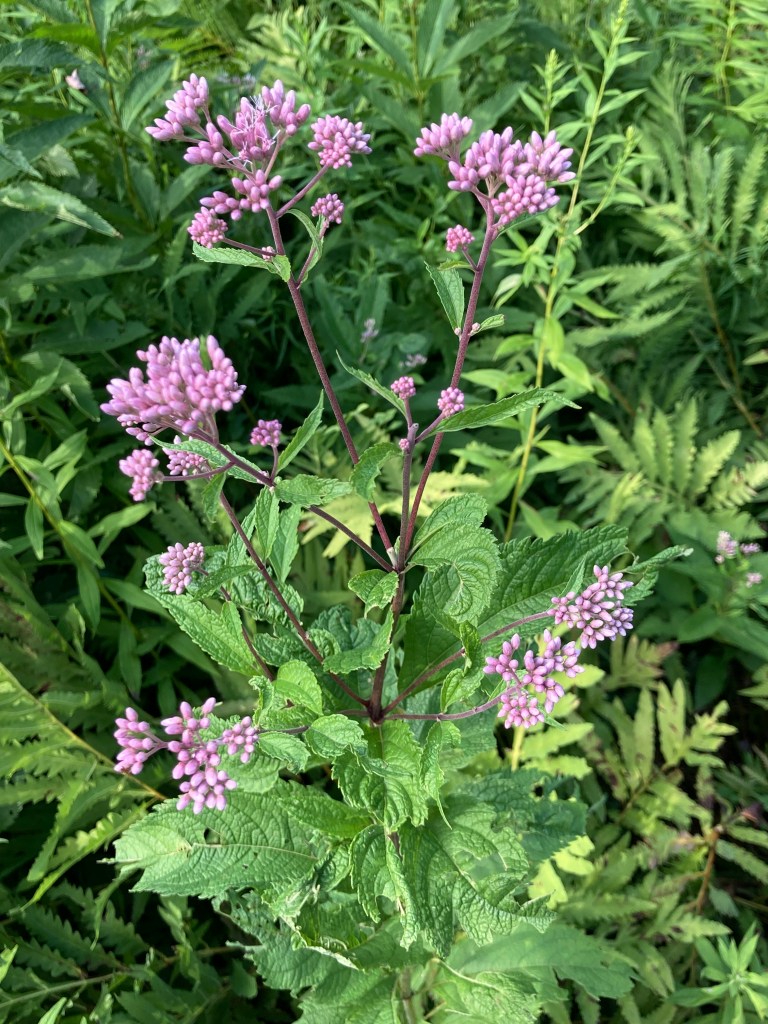
I stood on a small wooden walkway over the marsh and the air washed over me. I noticed one of my favorite wildflowers; dusky mauve colored Joe-Pye Weed. The plant is named after a New England man who used the plant medicinally to help with Typhus.

Joe-Pye Weed

Here is a backstory: Joe-Pye Weed always reminds me of going to visit colleges with my daughter and mother in Ohio. We were driving down a small two lane highway near Oberlin, when my mother said loudly from the back seat of the car,” Yo, Joe-Pye!” In her excitement, the words spilled out of her mouth and we had a collective giggle. Now, whenever my husband and I see our first Joe-Pye Weed in mid August, we happily call out, “Yo! Joe-Pye!”

As I continued on my walk through Steeple Top, I came upon several clusters of Joe-Pye; a butterfly with intricate patterns and bright colors perched on the top of a flower.

I stood mesmerized by the scene and I was able to take pictures to my heart’s content, but staying still also allowed the mosquitoes to continue their feast on me, so I moved on……

Steeple Top Preserve

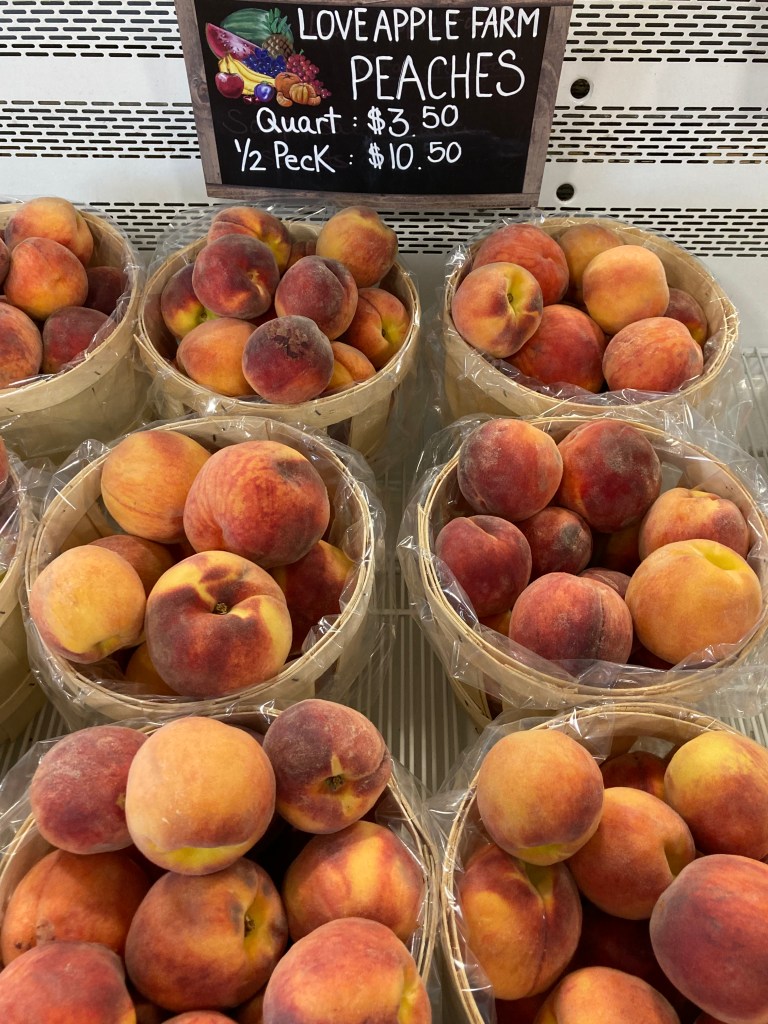
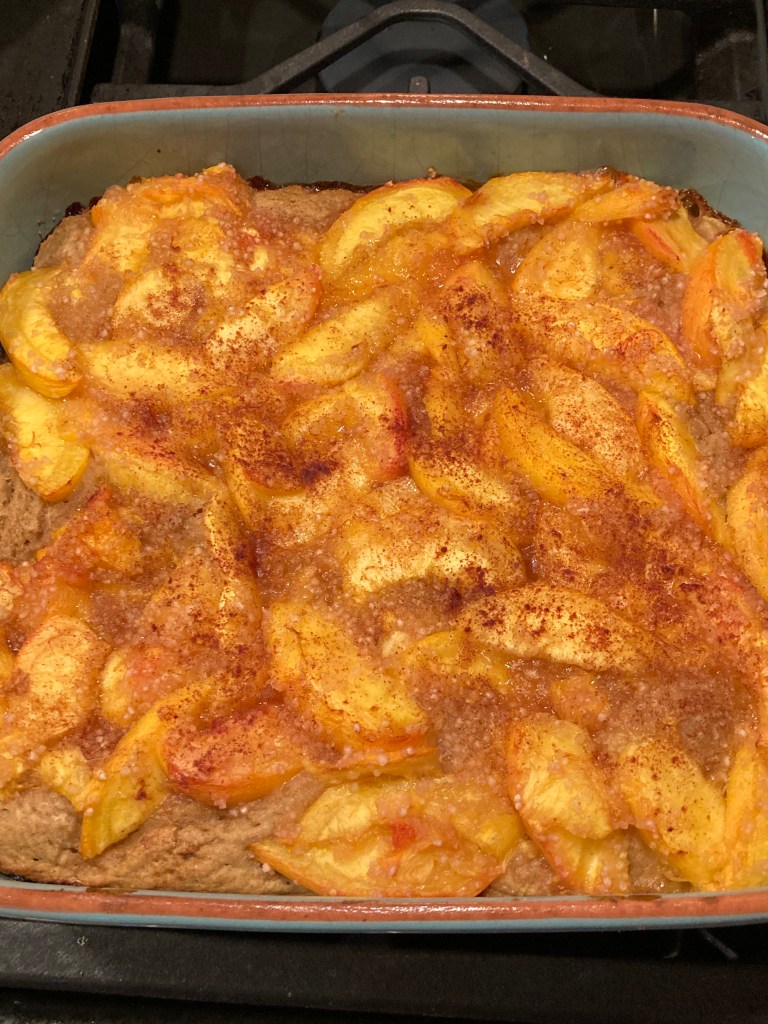
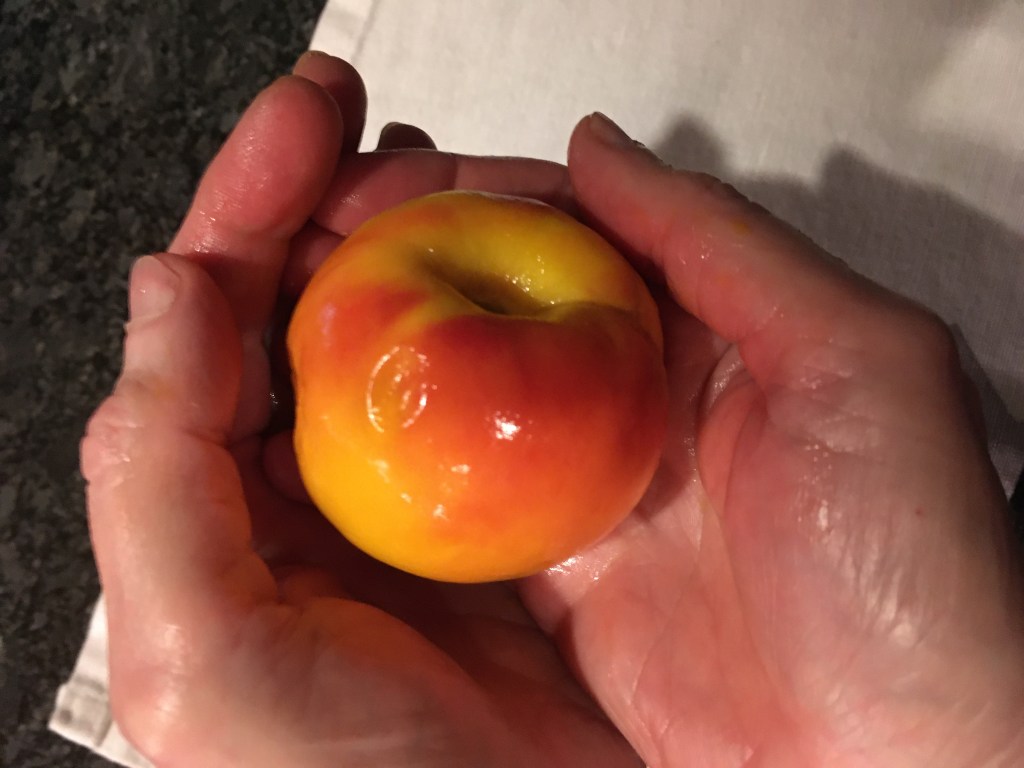
The peaches have been wonderful this summer; juicy, fragrant and full of sweet flavor. I have bought way too many several times and tried to think of a use for the surplus peaches that were almost overripe. I love cobblers of all kinds and was thinking about a cake that was not very sweet but with a cobbler like topping. I used the same basic cake batter for my Apple Strawberry Ginger Crumb Teacake and added cornmeal to the dry ingredients. I cut up the peaches full of juice and added a good quantity of instant tapioca. This made a great chewy topping that reminded me of boba (tapioca pearls) used for bubble tea. I used no sugar in the peach mixture, the peaches were already sweet enough, but made a quick syrup to pour over the the fruit before baking. I mixed some cinnamon with a few tablespoons of honey and put it in the microwave briefly. I drizzled this over the peaches and sprinkled on just a bit more cinnamon. Baked until the peaches were bubbly, this turned out to be irresistible. It is great for breakfast or fancied up with vanilla ice cream or whipped coconut cream for dessert. I hope you enjoy this cake!

Cornmeal Peach Cake

Ingredients:

1 1/2 cups whole wheat pastry flour

1/2 cup fine cornmeal

2 teaspoons baking powder

1/4 cup monk fruit sweetener

1/4 cup coconut sugar

1 teaspoon salt

1 heaping teaspoon cinnamon

1 teaspoon vanilla

1 egg

1/3 cup canola oil

1/2 cup soy or almond milk

Topping:

3-4 very ripe peaches peeled and thinly sliced *

1/4 cup instant tapioca

Glaze:

1 heaping tablespoon honey

1 teaspoon cinnamon

Preheat oven to 350 Degrees F.

To make cake batter:

In a large bowl mix together the flour, baking powder, baking soda, salt, monk fruit sweetener, coconut sugar and cinnamon.

Add egg, vanilla, canola oil, soy or almond milk and mix together just until the batter is smooth.

Make glaze:

Mix together honey and cinnamon. Microwave until mixture melts.

Assemble Cake:

Lightly butter a square baking pan. Pour in batter and spread evenly over pan.

Pour peach mixture over top of batter.

Pour honey glaze over top of fruit.

Bake in middle of oven until fruit is bubbling and a toothpick inserted into the center of the cake comes out clean, about 40 minutes.

* To peel peaches, bring a pot of water to boil. Add peaches and let sit a minute or two in the water and then remove. The peels will slip off easily!

ENJOY!!

AND: Here is the “Tree of the Week”

“Feeling a little bleh”!

Cardinal Flower- Thousand Acre Swamp New Marlborough, MA

HAPPY SUMMER AND STAY COOL!

An Abundance of Strawberries and Apple Strawberry Ginger Crumb Tea Cake!

Thompson Finch Farm- Ancramdale, New York

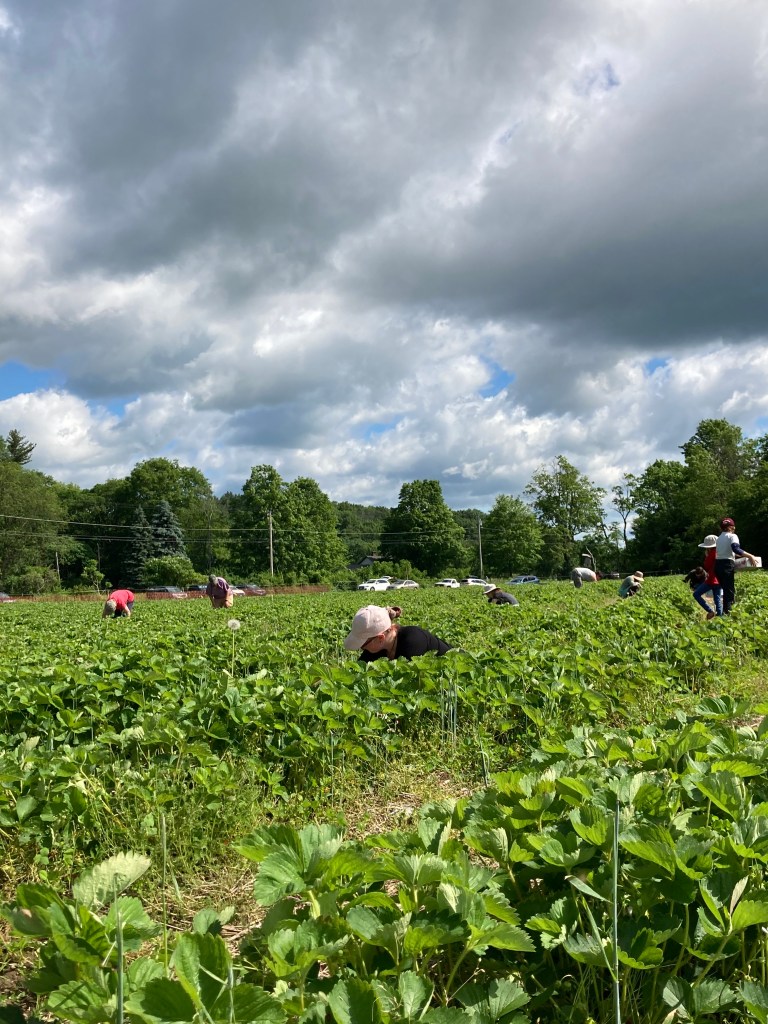
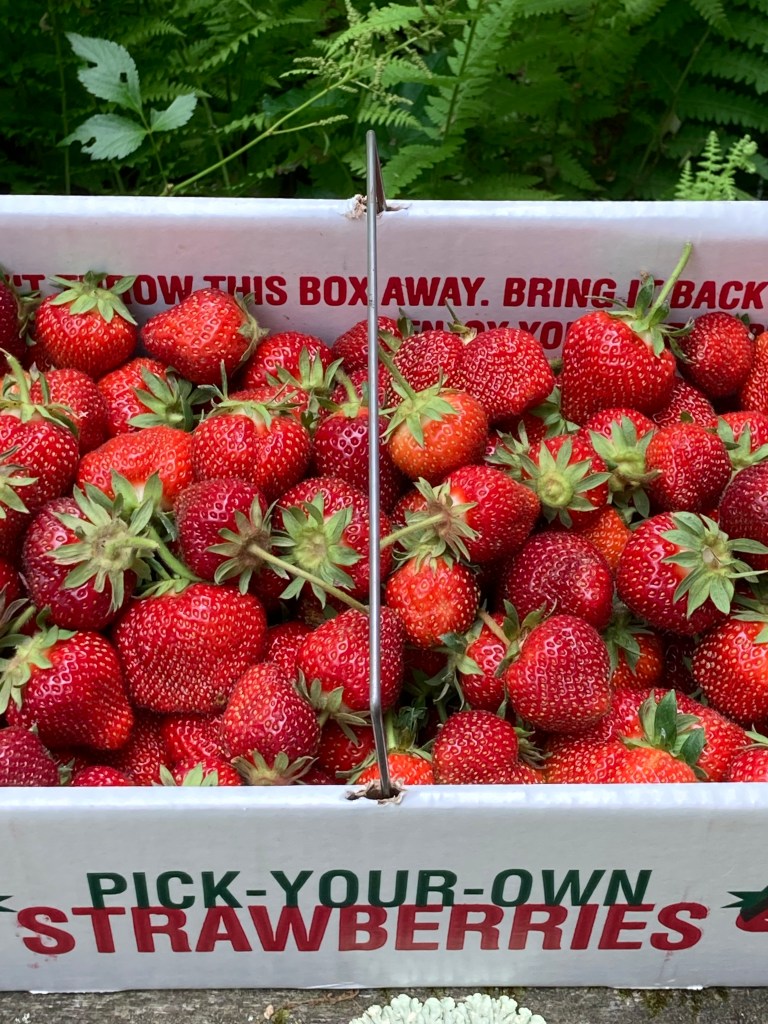
Early June is one of my favorite times of the year; the days are sunny and not too hot and best of all it’s time to pick the sweet and full of flavor organic strawberries from Thompson-Finch Farm in Ancramdale, New York!

Thompson Finch Farm- Ancramdale, New York

I sit cross legged on the ground and as a fresh cool breeze washes over me, I look around and I am completely content. As I pick, I listen to the happy voices of people in the surrounding rows discussing what they plan to do with their bounty; strawberry jam and scones, chocolate mousse with strawberries and I start to concoct my own recipes. I am thinking of a coffee cake with apple, strawberries and a ginger crumb topping.

There are so many berries that in less than 40 minutes I pick over 9 pounds!

After picking strawberries, I returned home and thought that I had just enough time to make the tea cake before my haircut appointment. And, here the saga of the under baked tea cake begins!

I realized after I put the cake in the oven that there was no way the cake was going to be done before I needed to leave. I asked the hair dresser if there was any wiggle room in their schedule; not an option. I decided to take the half baked cake out of the oven and then see if I could finish baking it later. I can report that this did not work very well- the double baked cake had a strange heavy gluey texture and when I cut it, the cake crumbled and looked ugly and misshapen; a real cooking disaster!

I thought that maybe I could gather it all up and make a bread pudding out of it. But, somehow the cake tasted delicious and it disappeared before it could be transformed into a pudding! I baked the cake again a few days later and can say with confidence, this recipe works if baked properly- see picture below!! This is not a sweet cake and it is perfect with yogurt and fruit for breakfast!

Apple Strawberry Ginger Crumble Tea Cake

Ingredients:

2 cups whole wheat pastry flour

1 teaspoon baking powder

1/2 teaspoon baking soda

1/4 cup monk fruit sweetener

1/4 cup coconut sugar

1 teaspoon salt

1 heaping teaspoon cinnamon

1 teaspoon vanilla

1 egg

1/3 cup canola oil

3/4 cup soy or almond milk

1/2 cup thinly sliced apple

1/2 cup thinly sliced strawberries

Crumb Topping:

1/4 cup oats

1/4 cup flour (I used whole wheat pastry flour)

1/4 cup toasted pecans

1 teaspoon cinnamon

1/8 teaspoon nutmeg

1 1/2 teaspoons ginger powder

1/4 cup coconut sugar

pinch salt

1/4 cup kefir

Make Crumble:

Place oats, flour, coconut sugar, pecans, salt, cinnamon, nutmeg and ginger in the bowl of a food processor. Pulse until nuts are in small pieces. Add kefir and pulse until mixture forms small clumps- you may need to add a bit more kefir. Add small bits at a time. Set mixture aside.

Pre heat oven to 375 degrees

Line a 5×9 loaf pan with parchment paper with the paper hanging over the sides. Butter the paper lightly.

To make cake batter:

In a large bowl mix together the flour, baking powder, baking soda, salt, monk fruit sweetener, coconut sugar and cinnamon.

Add egg, vanilla, canola oil, soy or almond milk and mix together just until the batter is smooth. Add fruit and stir to combine.

Pour batter into the prepared baking dish and then scatter the crumb topping over the top. Bake in the pre heated oven for about 15 minutes and then cover the top loosely with foil so the top will not brown too quickly. Bake for about an hour until a toothpick comes out cleanly.

Remove from oven. Lift cake out of pan leaving paper on the cake. Let cool completely on a rack before slicing with a serrated bread knife. This is a very soft crumbly cake, the longer you let it cool the easier it is to slice. This is hard to do, so enjoy the first very crumbly pieces if you can’t wait!

ENJOY!!

AND: Here is the “Tree of the Week”

“Is He Really Running Again??”

Devil’s Paint Brush- Bryant Homestead Cummington, MA

HAPPY SUMMER!

The Return of the Fungi and Chicken Pesto Meatballs!

Bray Road Buckland, MA

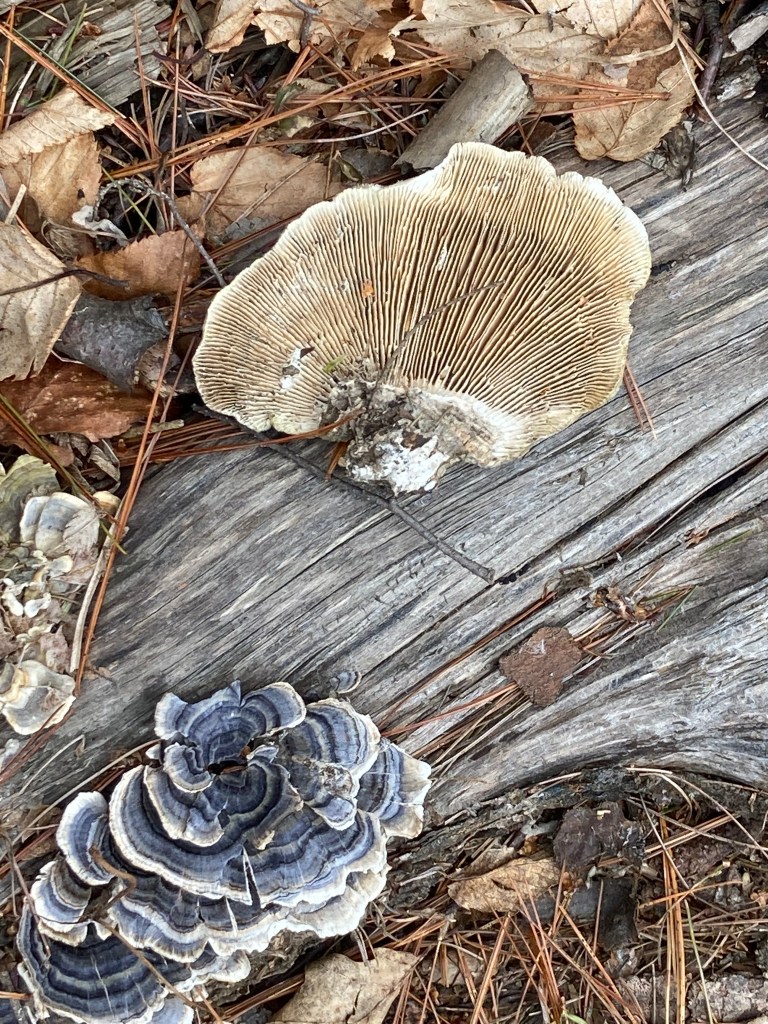
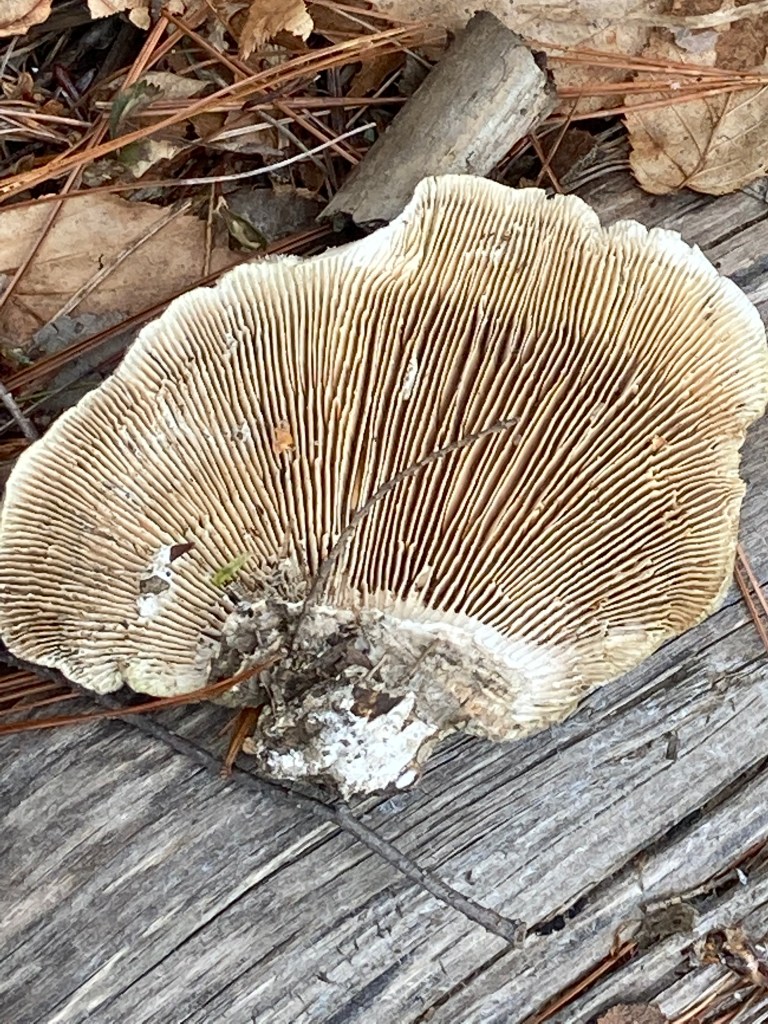
March 28th– Walking through our land in Buckland, Massachusetts, the snow has all melted away and I am amazed to see a colorful show of fungi that seems to have reappeared like magic!

Fountain Pond State Park: Great Barrington, MA

Many years ago our land was originally a sheep farm, then it was logged; a good deal of brush was left behind. As the wood decayed, a moist fertile environment for mushrooms and fungi was created. I love walking through the land; although I have to be careful stepping over the brush so I don’t fall! Moving slowly this way, my attention is drawn towards the ground and I discover strange, colorful and intricate fungi!

Bray Road Buckland, MA

An interesting fact from an article written from bountea.com: “Life in the Winter Soil.”

 “With soil rich in humus, bacteria can hibernate through the cold weather well protected within their carbon habitats. Soil that drains well and has humus content around 10% is an ideal environment for overwintering microbes.

Spring arrives slowly in the Northeast.

Sheffield, MA

The other day on a walk at Hunger Mountain in Monterey, MA, the blue grey sky was spitting snowflakes. We were treated to views of the distant misty mountains peeking through the still bare trees.

Hunger Mountain: Monterey, MA

As I get ready to publish this blog, it is greening up rapidly outside, but there are still weeks of cool weather left to make hearty dishes that simmer for hours on the stove!

For many years, I watched my late mother- in-law Dolores DePaolo make her legendary meatballs and tomato sauce. As she cooked, she regaled me with stories from her rich Italian American family history, always complete with a demonstration of a rude hand signal; a dismissive fleck of the hand in the air to use if someone was being disrespectful. I listened carefully as she showed me her techniques to coax the most flavor out of a sauce and to make the meatballs tender. As she aged, others in the family started to cook more; then at one holiday meal, the ultimate compliment was made; a smile and a look of approval! To mix up cultural references a bit here; in her eyes, I had become a true balabusta (a Yiddish expression for a good homemaker.)

I remember clearly a few tips: 1. mix the ingredients for the meatballs thoroughly and when you form them into balls handle the mixture gently, don’t over pack them. 2. Heat the olive oil in the pan to a high temperature then and brown the meatballs all over. 3. Place the meatballs into the sauce, add water to the pan and stir up all of the browned bits in the pan. Add this to the sauce. 4. Simmer the sauce and meatballs gently for hours.

I have experimented making meatballs with ground beef, ground turkey and adding other ingredients like chopped kale. I have made vegetarian meatballs with ground nuts, onions, garlic, egg and breadcrumbs. My latest rendition is with ground chicken, pesto, garlic, egg, bread crumbs and kale. I hope you enjoy Chicken Pesto Meatballs!

Chicken Pesto Meatballs

Ingredients for Sauce:

1 large can organic crushed tomatoes

1 small can organic tomato paste

1/2 onion finely chopped

2 large garlic cloves finely chopped

1 bay leaf

1 teaspoon dried thyme

2 teaspoons dried basil

2 teaspoons dried oregano

a good glug of red wine

salt and freshly ground pepper to taste

3 tablespoons extra virgin olive oil

water

To make sauce:

Heat olive oil in a large heavy pot, add onion and saute for about 5 minutes until onions are soft and translucent. Add garlic and cook briefly.

Add all other ingredients except wine and bring to a boil. Add wine, let it cook down for a minute and then reduce to a simmer. Cover pot and cook over a low heat while you prepare the meatballs.

Ingredients for Chicken Pesto Meatballs:

1 pound ground chicken

1 egg

1/2 cup whole wheat bread crumbs

2 cloves garlic finely chopped

2-3 tablespoons basil pesto

1/4 cup finely chopped lacinato kale ( you can also Italian parsley, I used dandelion greens one time!)

1 teaspoon salt

freshly ground pepper

pinch of red pepper flakes

1 teaspoon dried thyme

1 teaspoon dried basil

1 teaspoon dried oregano

To make meatballs:

In a large bowl, mix all ingredients well together.

In a large non stick pan, heat 2 tablespoons olive oil.

Wet hands and add loosely formed meatballs to hot oil. Saute on all sides until nicely browned.

Place meatballs into sauce.

Place about 1/2 water into pan where the meatballs were browned and stir up any loose bits. Add this to the sauce.

Bring the sauce to a boil and then reduce to a simmer and cover. Cook about 2 hours.

I like to serve the meatballs with whole wheat spaghetti and a side of steamed broccoli with lemon and extra virgin olive oil. Serve with either freshly grated parmesan or pecorino cheese and a good Italian red wine!

ENJOY! Or, as my mother-in-law would say MANGIA!

AND, Here is the Tree of the Week!

“So you say!!”

HAPPY SPRING AND STAY SAFE!!

Ukrainian/Russian Roots

From: The Dansker Family Memories by my grandfather Sam Dansker

It is always terrible and disturbing to hear news about war torn countries. Learning about the horrific invasion of Ukraine brought up intense feelings of outrage and disbelief. I realized that this was especially difficult because these are my roots. This morning I received an email with an urgent update from the the World Union for Progressive Judaism from a rabbi that is presently in Kyiv.

My father’s family is from Russia; I have heard stories my whole life and this is what I know: the family was very poor, my grandfather had 9 siblings; they all made it to America except one child who died at the age of 3. They were devout orthodox Jews and were constantly under the threat of attack by Russian Cossacks, they were able to leave in 1914.

From The Dansker Family Memories

This week, I reread a memoir that a cousin helped my grandfather Sam put together in the 1980’s and this is what I have discovered: I knew that both of grandparents were born in Russia, but I never knew from what part of the country. Grandpa Sam was born in a small town in Ukraine called Bazalya, not far from Kyiv. I learned that in the 1900’s, Volhynia Province in Ukraine was part of the former Russian Empire that included Lithuanina and Poland. I learned that my great grandfather played the fiddle and that in addition to Russian, they spoke Yiddish. Between 1910 and 1914 all Jews were expelled from their villages; my grandfather was 13 at the time. They were lucky to have family in St Louis and passage was bought for their harrowing trip to America.

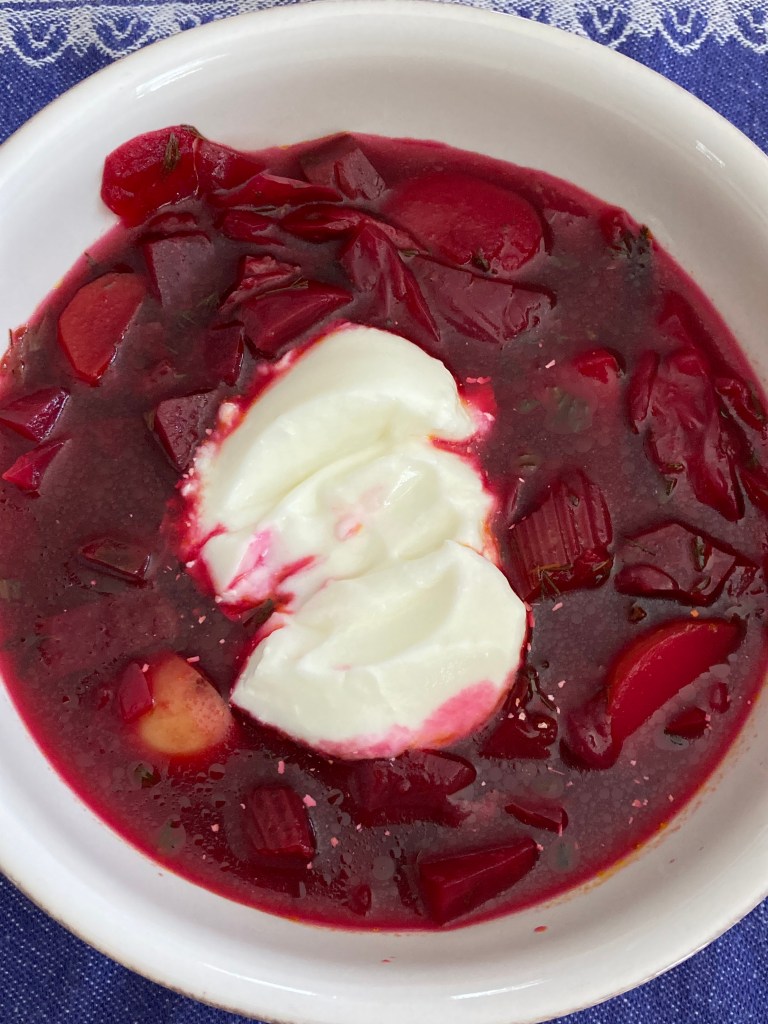
Cleaning out my vegetable bin, I was trying to decide what to toss out and place in our compost bin. In the back of the vegetable drawer was a sad bag of red beets with the greens rotted and an old ignored head of cabbage with the core starting to mold. I thought about our family before they left Russia and how food insecure they were; I didn’t want to waste any food. It was easy to wash away the old leaves and I decided a hearty Ukrainian Borscht would be the thing to cook!

It was interesting to me that this week the NYT Cooking Column said they were getting a lot of requests for Borsht recipes. Sam Sifton said in his article: “The letters are a reminder that cooking is a cultural act: a way to feel connected, to support, to acknowledge the world and perhaps to understand it better.” NYT Cooking

I listened to Bach Cantatas as I chopped up the vegetables; making the soup was deeply soothing and seemed to be best way to channel my thoughts and prayers for the Ukrainian people.

Ukranian Borscht

Ingredients:

1 stalk celery chopped

1 medium onion chopped

3 or 4 red beets- peeled and cut into small cubes. The beets are easier to peel if you cook them in a pot of water for about 20 minutes. Save the liquid they were cooked in and use in the soup pot. Make sure to wear an apron, this is a messy job!!

3 garlic cloves peeled and finely chopped

2 red potatoes cut into small pieces

1/2 head cabbage cut into thin slices

2 carrots peeled and cut into small pieces

2 bay leaves

Serve with chopped fresh dill and sour cream

1/2 small can diced tomato

honey to taste

1-2 tablespoons white vinegar to taste

salt and freshly ground pepper to taste

2 tablespoons extra virgin olive oil

Serve with chopped fresh dill and sour cream– I used plain yogurt.

To Make Borscht:

Heat a large soup pot and add olive oil. Saute onions until soft, add garlic and cook briefly.

Add all other vegetables and other ingredients.

Cover ingredients with water, chicken or beef stock (use enough water or stock to come up almost to the top of the pot.)

Bring to a boil and then reduce to a simmer. Cover pot and cook for about 2 hours.

Adjust seasonings.- add more vinegar or honey to taste. The soup is best if it sits for a day before eating to let the flavors meld together.

Serve with plenty of chopped fresh dill and a big dollop of yogurt or sour cream.

The soup is wonderful with fresh buttered rye bread!

ENJOY!!

My grandma Bella made a strudel that I have never seen elsewhere in Europe; Austria, Germany, Hungary or the Czech Republic. The pastry was not flaky, but more like a pliable soft dough that would be used for Rugelach. The dough was rolled out thin and I remember that it was filled with chopped dried fruit, raisins, walnuts and it was dusted with cinnamon sugar. I regret that I never made strudel with her. I went on a google search and found a Russian style mixed/dried fruit strudel. It sounds very similar and this will be my next baking experiment. Stay tuned!!

AND, as always, here is the “Tree of the Week”! I imagine that the caption is being read by a strong Ukrainian woman!

“Don’t Even Think of It!!”

Stay Safe and Warm!!

Autumn at the Drury Preserve

White Bean & Escarole Soup with Orzo

This past fall came and went quickly, with a whirlwind of events and now we will soon finally be seeing the last of T….! In the midst of all of the commotion and noise, we discovered yet another place of great beauty and tranquility where we can decompress and catch our breath; the Drury Preserve in nearby Sheffield, Massachusetts.

The Nature Conservancy opened the preserve in 1997 and it consists of a gentle three mile loop that traverses through marshland, woods and a bucolic pond with views of Mount Race.

Returning several times in October and November, I was drawn into the gradual transition from the beginning to the end of fall. Each time I visited, I felt my breath slowing down as I observed the subtle changes occurring around me. The combination of the light reflecting on the water and the delicate leaves made me think of Japanese prints.

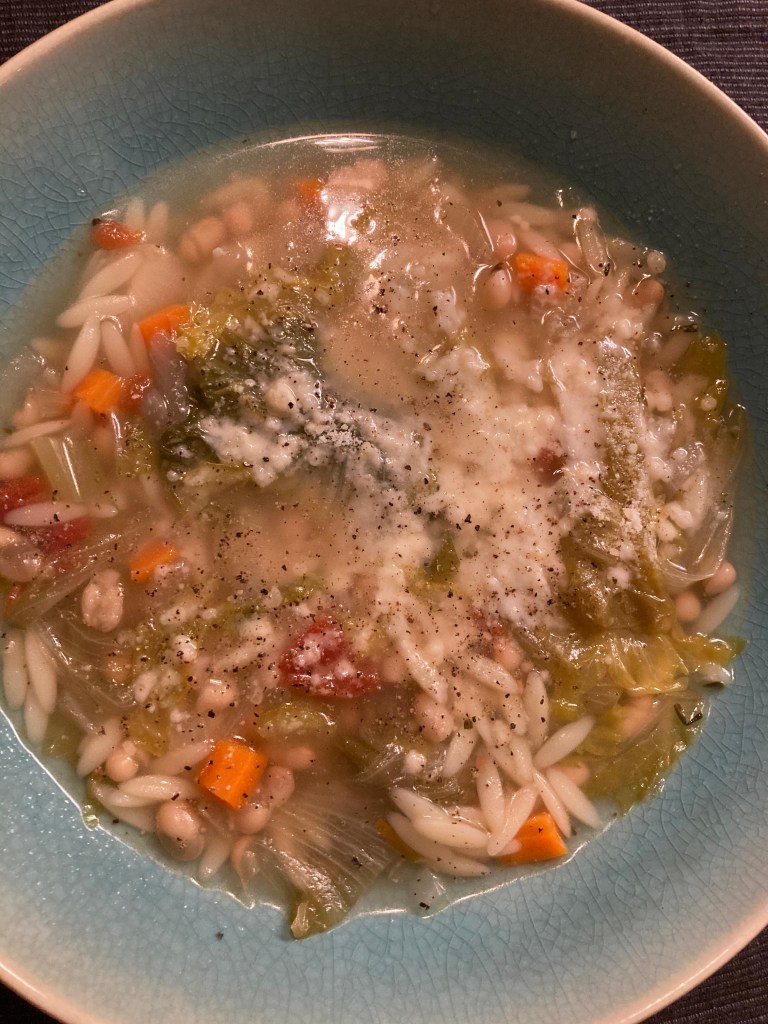
One chilly November morning, I pre-soaked a few cups of white beans and we set out on a walk to the Drury Preserve. When we returned home, I drained and rinsed the beans and in large heavy pot, sauteed an onion, added the beans, a sprig of rosemary, diced carrot and celery, a small can of diced tomatoes, bay leaf and dried thyme. In the back of my cheese drawer, I found an old parmesan cheese rind from DiPalo’s in NYC. This adds another layer of flavor and depth to the soup! I covered everything with cold water, brought the liquid to a boil and then reduced the heat to a slow simmer for a few hours until the beans started to soften. I added a head of ecscarole torn into small pieces, mashed a few beans with a wooden spoon, added salt and freshly ground pepper to taste and cooked the beans about an hour more until the mixture was creamy and a bit thickened. If you have orzo or pasta on hand, you can cook this up and add it to the soup before you plan to eat it. I served the soup with freshly ground pepper and grated pecorino romano cheese on top. The two sharp flavors reminded me of the simple but delicious Italian dish, Cacio-e-pepe; basically pecorino cheese and black pepper on pasta! I will plan on making this dish soon!

Wistfully, I thought about how much I miss going to DiPalo’s in Little Italy; people watching and listening to conversations about what the other customers were planning to buy and cook and best of all, getting free tastes of delicious cheese from the generous owners Lou and Sal DiPalo. Once when I handed over my credit card, Lou DiPalo looked down at the name and proudly announced, “We’ve got a DePaolo here”! When the pandemic is over, I made a pledge to myself to never complain about waiting in a long line to be served!

White Bean and Escarole Soup with Orzo

Ingredients:

2 cups dried white beans

1 medium sized onion finely chopped

1 carrot diced

1 stalk celery diced

1/2 small can diced tomatoes

1 head escarole torn into small pieces

piece of parmesan rind

1 bay leaf

1 teaspoon dried thyme

1 sprig fresh rosemary

freshly ground pepper

salt* see note

grated pecorino romano cheese

To Make Soup:

Soak beans- either overnight or using the quick soak method.

Overnight- cover beans with cold water.

Quick Soak- cover beans with cold water, bring to a boil and then turn off heat. Cover and let sit for a few hours.

Drain and rinse beans.

Add beans and other ingredients, except escarole, salt and orzo to a large pot and cover with cold water.

Bring to a boil, cover and reduce heat to a gentle simmer Cook for a few hours until beans start to soften. Mash a bit of the beans with a wooden spoon to thicken the soup.

Add Escarole and cook at a simmer covered until beans are completely broken down and the soup has a thick velvety texture.

Cook a cup or so of orzo according to the directions on the package. Drain and add to the soup.

Season to taste with salt and freshly ground pepper.

To Serve:

Pass around grated grated pecorino romano cheese

Add freshly ground pepper

Note: It is best to add salt after the soup is almost finished. The beans will toughen if salt is added to early in the cooking process.

ENJOY!!

AND- here is my Tree of the Week!

“If you keep lying, see what happens??”

Please stay safe and warm!!