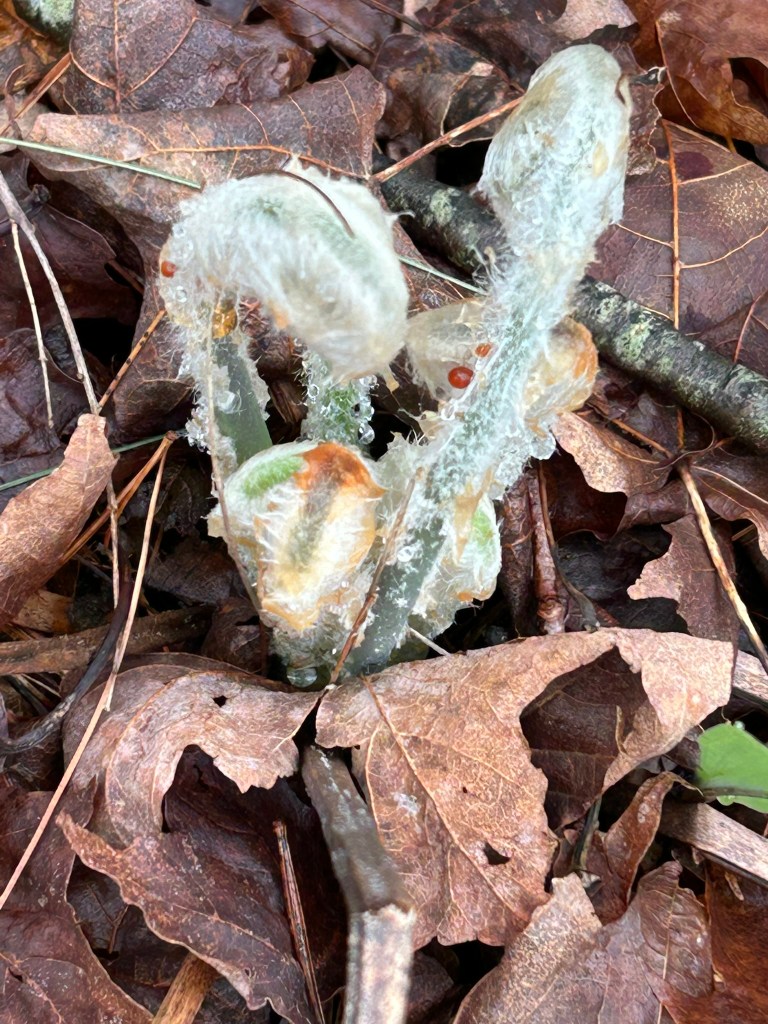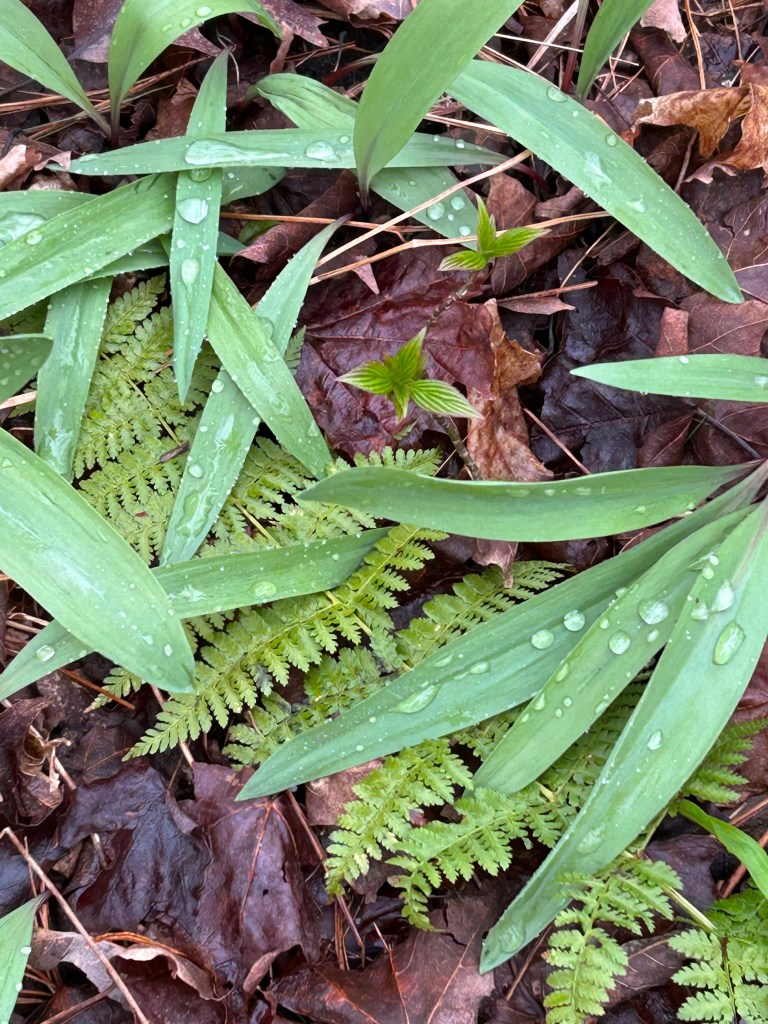
On a cold and drizzly early spring day, it was time to venture out to forage for wild ramps with our good friends and expert ramp guides, Thomas and Francis.
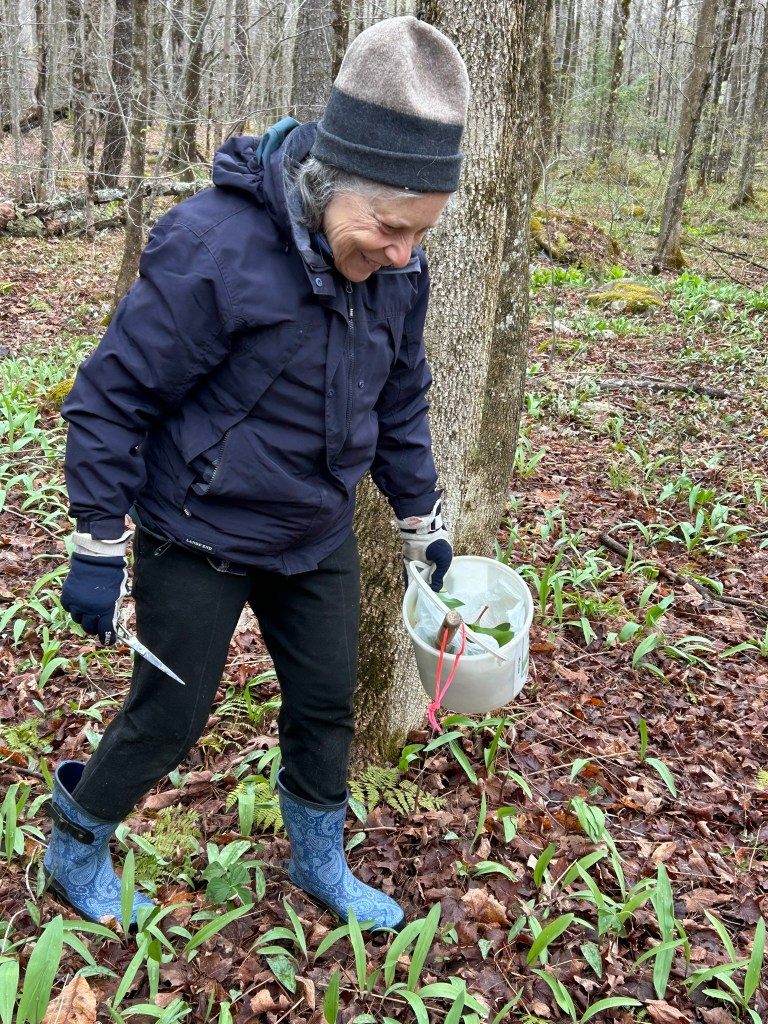
Dressed warmly and wearing our rubber boots we drove to their favorite spot next to a bubbling brook in New Marlborough, Massachusetts.
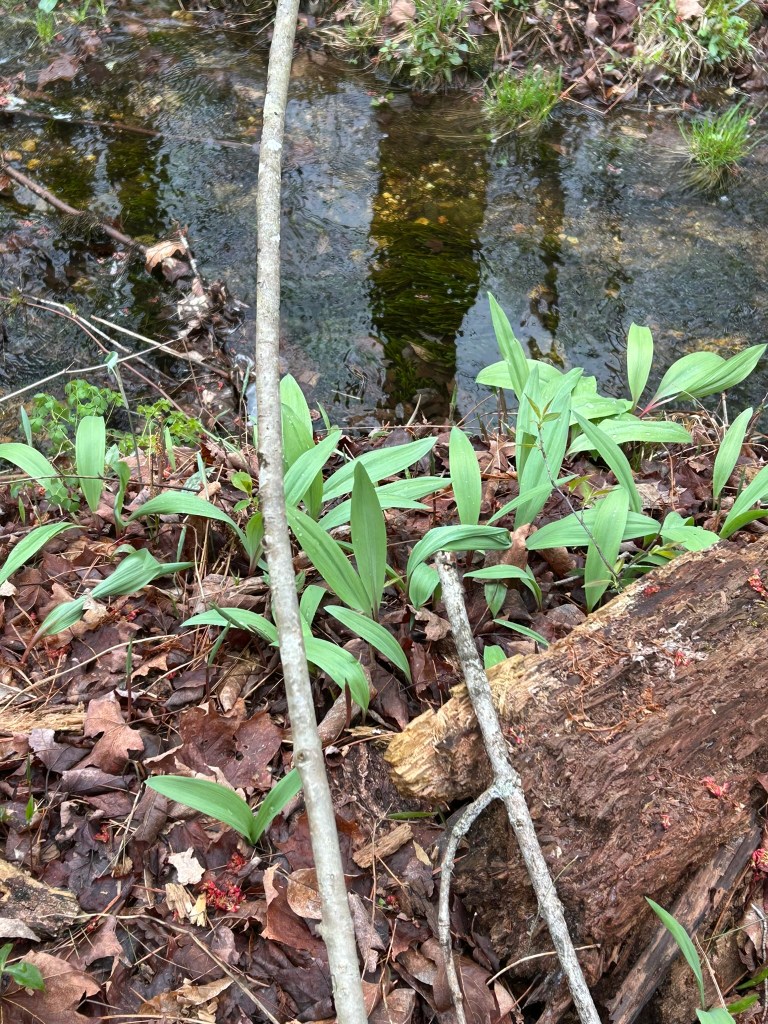
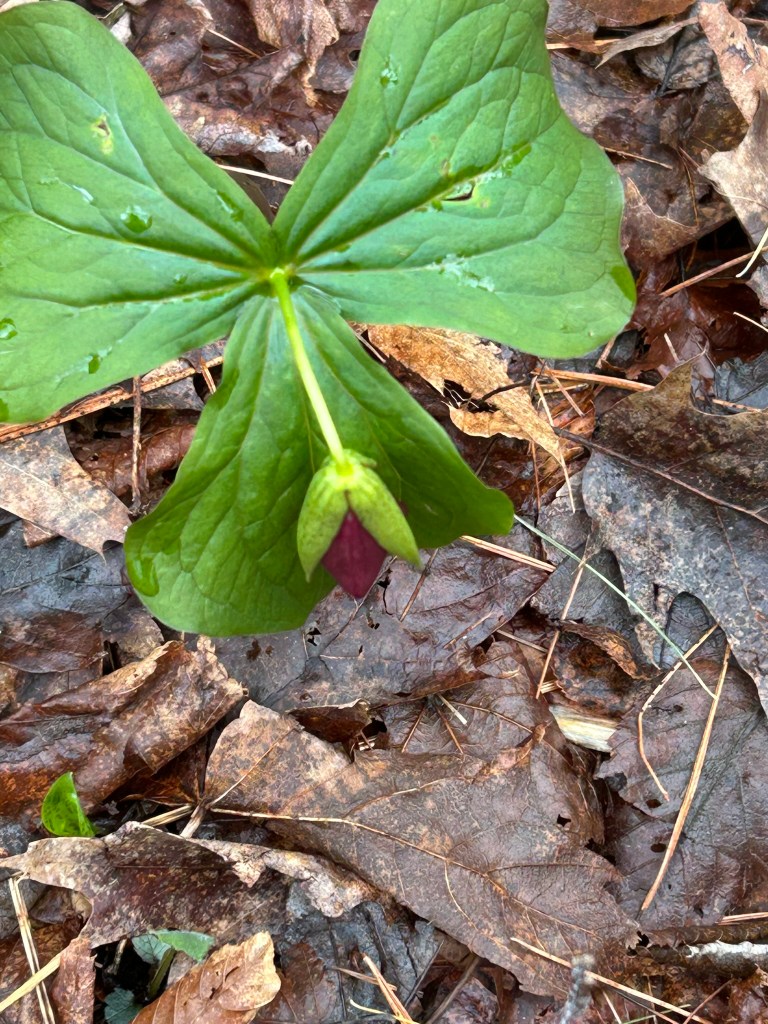
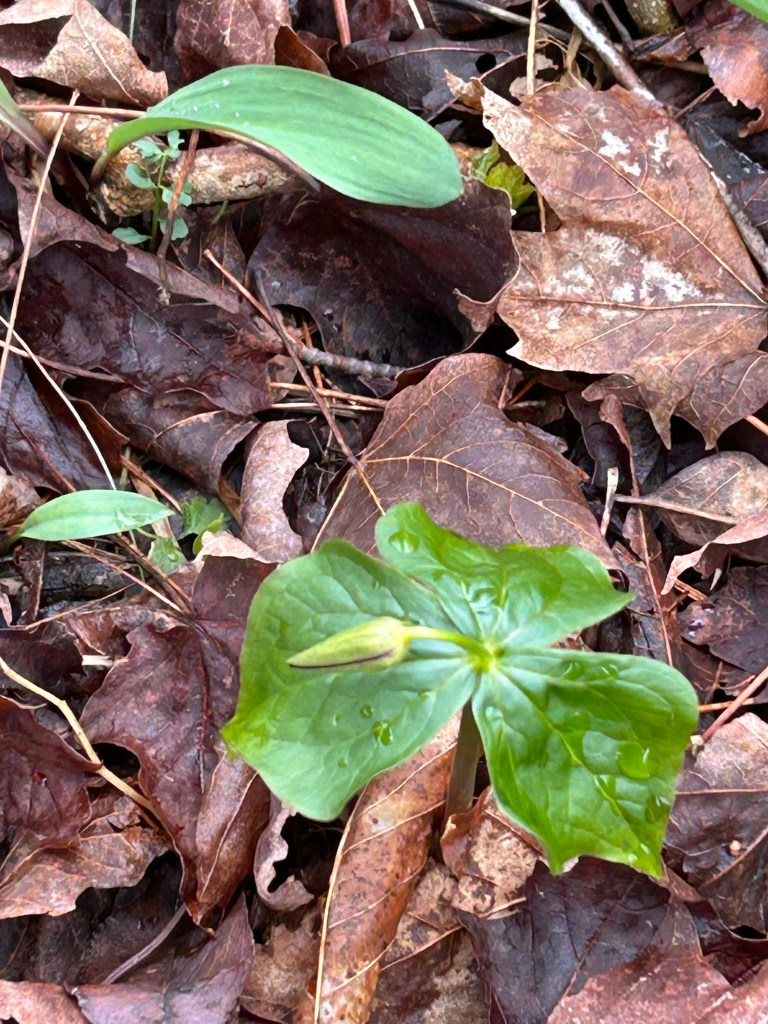
The soil was rich and loamy with a deep earthy aroma. Next to abundant patches of ramps were Trillium flowers, one of the first flowers of the spring!
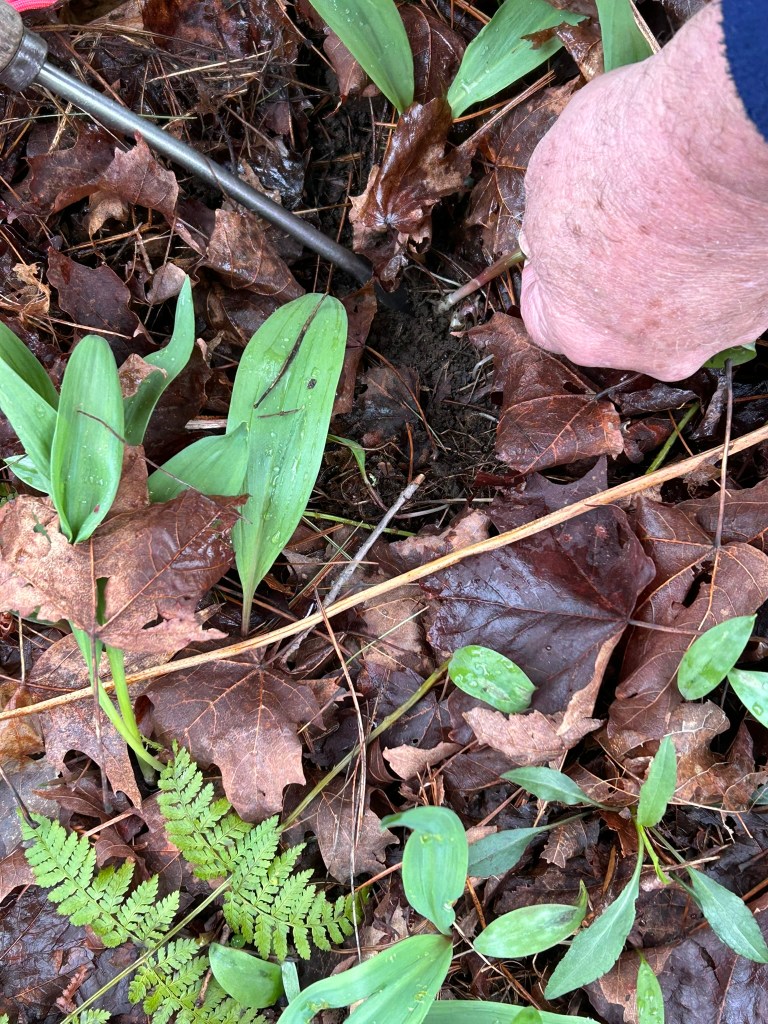
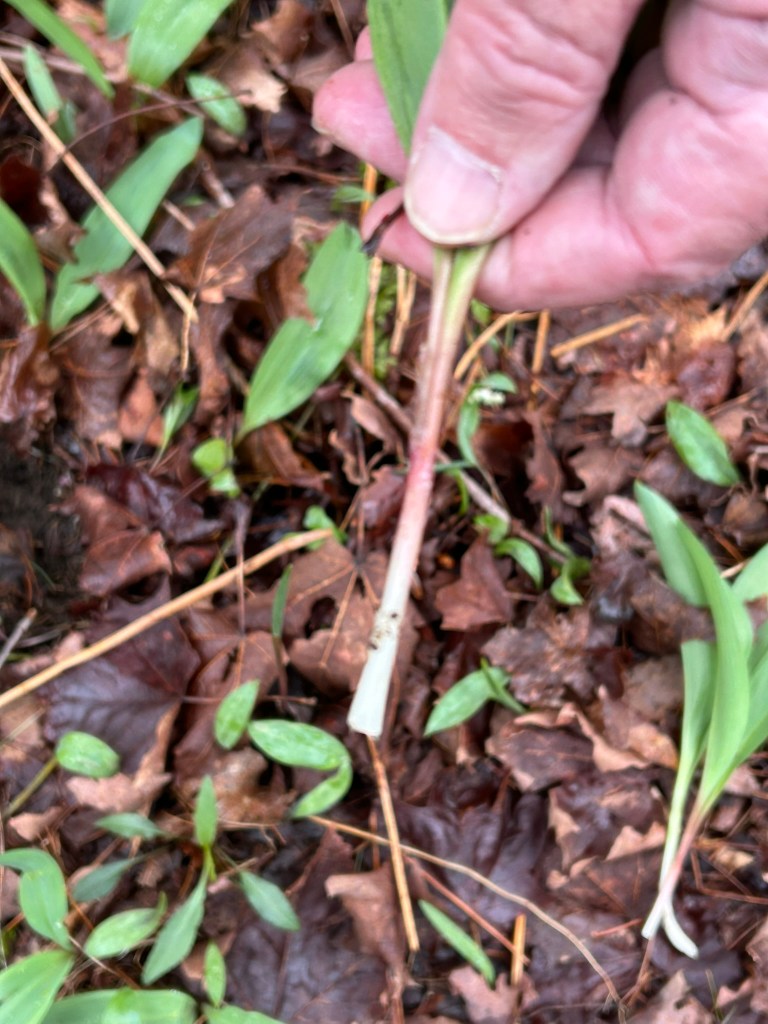
Thomas showed us how to gently dig up the ramps, leaving the root intact so that the plants continue to propagate.
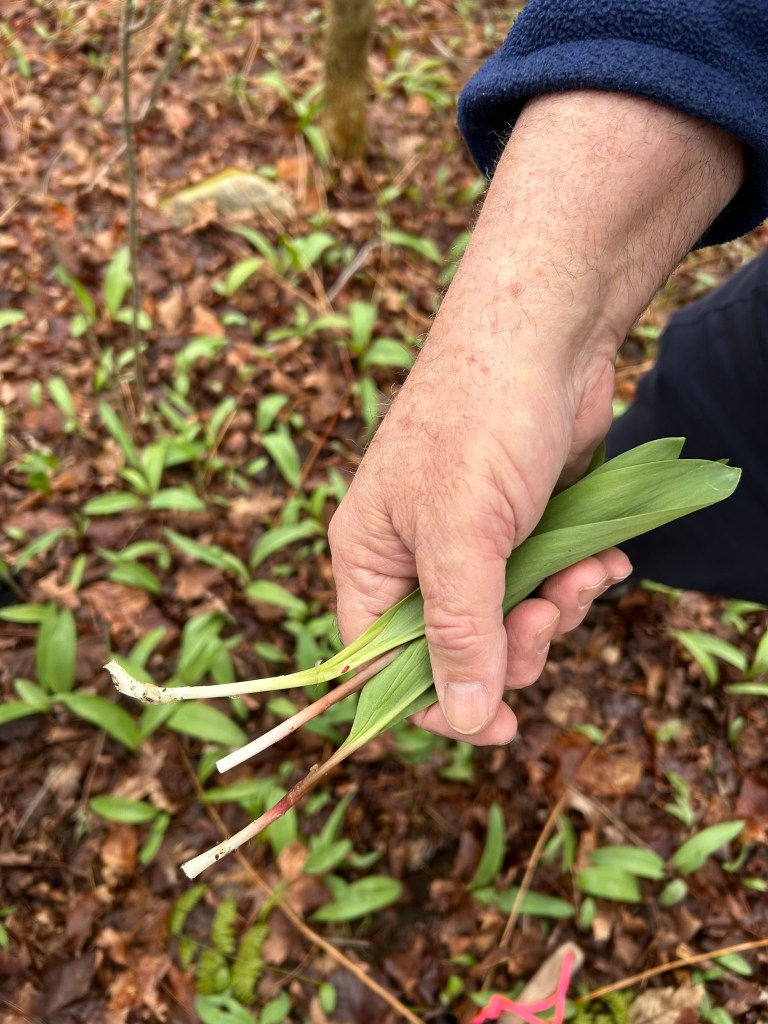
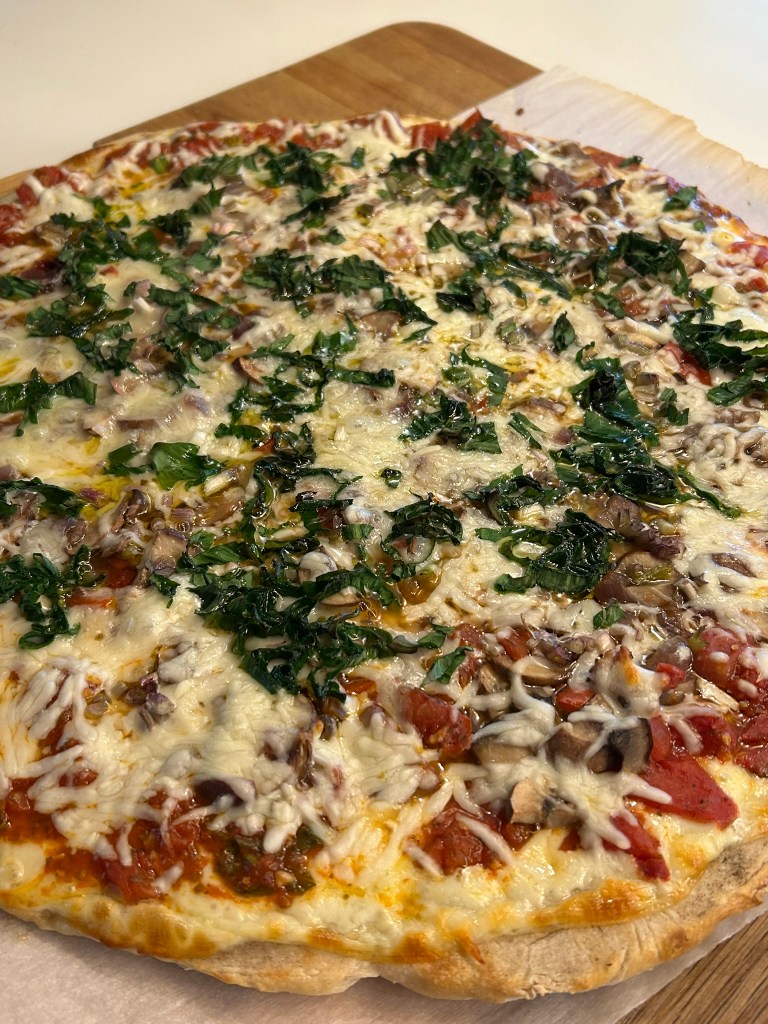
It was time to take our fragrant treasures home. Thomas had all of the ingredients ready for a pizza with a crust that he had purchased earlier that morning from Berkshire Mountain Bakery in Housatonic, Massachusetts.
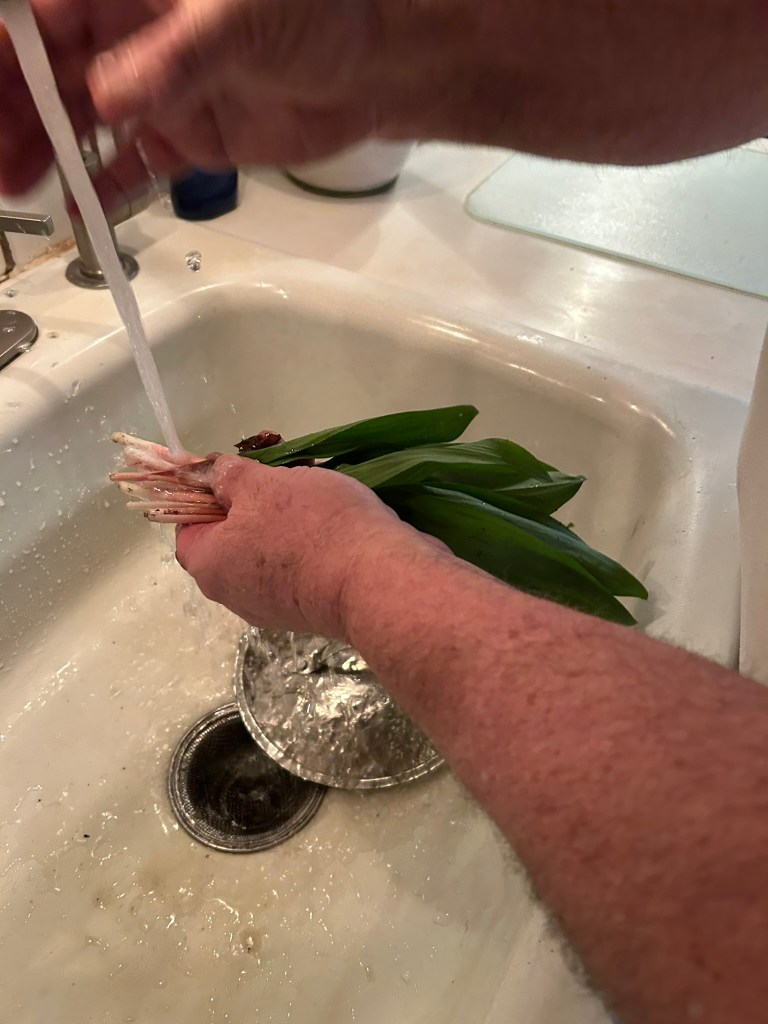
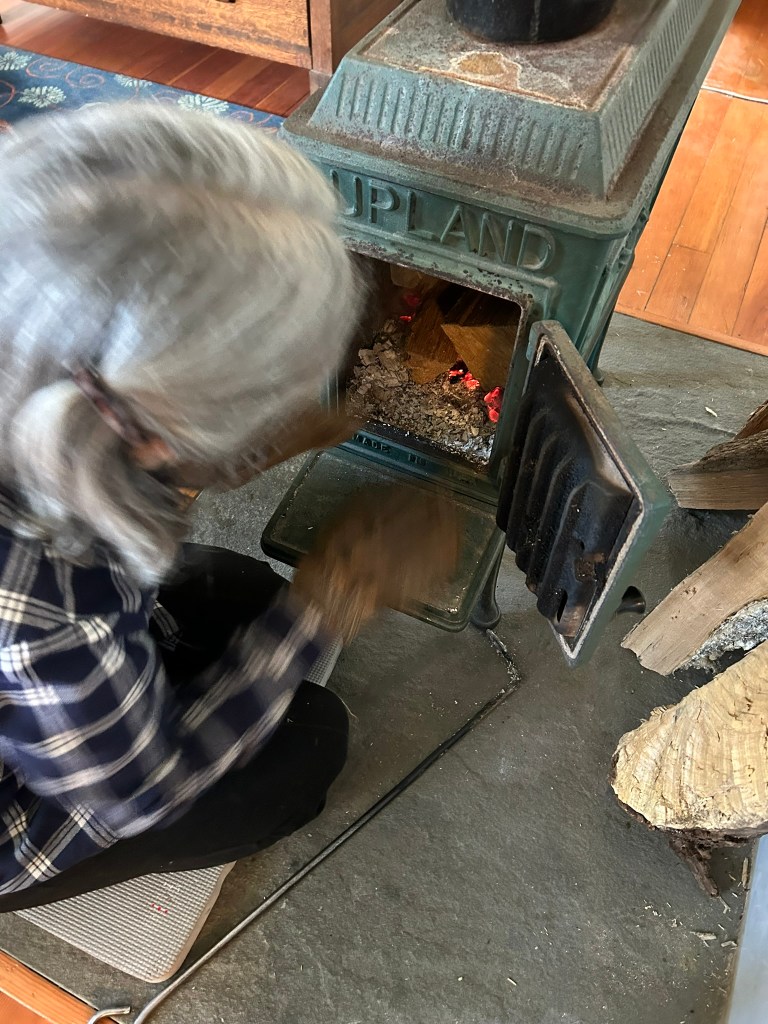
He expertly rinsed off the dirt and grit from a big handful of leeks with plenty of cold water while Francis made a fire to warm us up in her charming little woodstove.
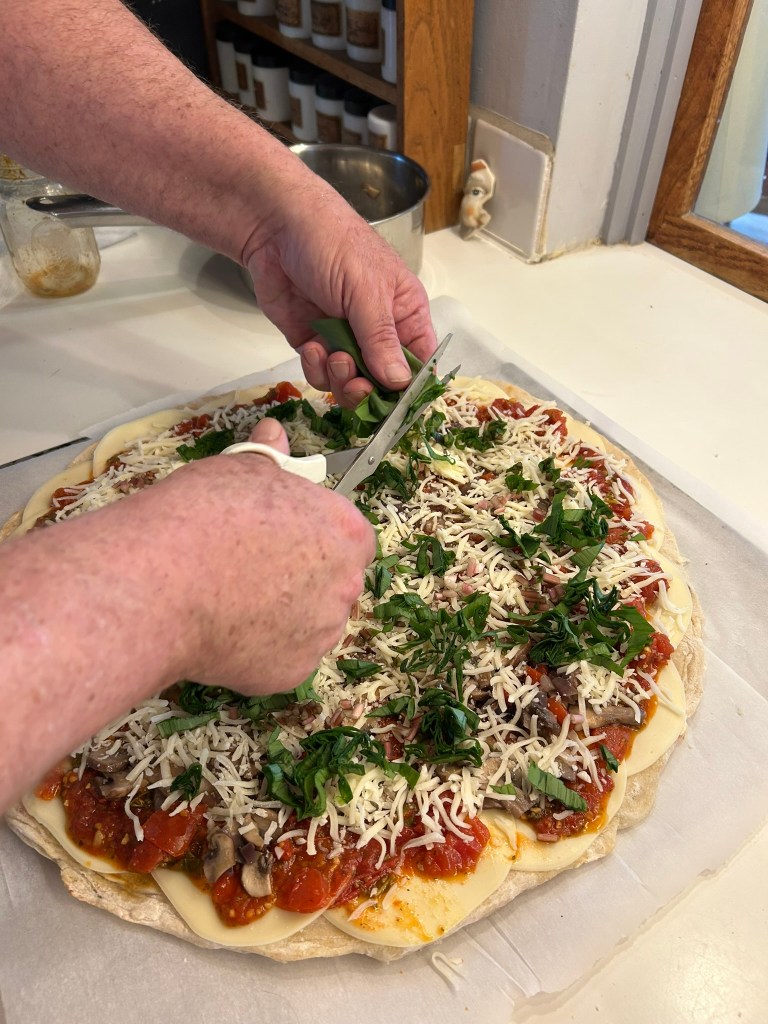
Thomas snipped the leaves and stems of the ramps over the crust that was richly layered with thin slices of provolone, a mixture of shredded cheeses along with tomatoes that Francis had canned last summer.
He baked the pizza in a hot oven (500 degrees Farenheit). We enjoyed a wonderful treat! It was simply delicious- crunchy crust and plenty of melted cheese along with the mellow oniony flavor of fresh ramps!!
My husband Paul, found an interesting article from Northern Woodlands on how ramps help replenish the wood land soil:
“Every year I know that spring has arrived when it’s time for my family to forage for ramps on a two-acre patch on the hill above my house. We have just a few weeks to enjoy their spiciness before they disappear from the landscape, along with other spring ephemerals. While we prize many spring ephemerals for their fleeting beauty – flourishing before the overstory trees leaf out, then dying back as the shade season begins – they also are important to nutrient cycling in woodlands.
Ecologists Robert Muller and F. Herbert Bormann first suggested that spring ephemerals contributed to nutrient storage and release while conducting forestry research in the Hubbard Brook Experimental Forest in the 1970s. Muller and Bormann observed that American trout-lily (Erythronium americanum), a common spring ephemeral, grew the fastest when nitrogen and potassium losses from the soil were at their highest (during the spring melt). While trees are still dormant and unable to use these nutrients, melting snow and spring rains wash these nutrients out of forest soils. Muller and Bormann proposed that spring ephemerals could capture critical nutrients when they might otherwise wash away and then return those nutrients to the soil when they died back during the summer shade. They called this the “vernal dam” hypothesis, because the ephemerals act as a dam, retaining the flow of nutrients before releasing them back into the soil. “
And, according to Spruce Eats:
“Ramps–a cousin of onions, leeks, scallions, and shallots–grow in low mountain altitudes from South Carolina to Canada. In many areas, they’re considered a spring delicacy and a reason for celebration. Harvesting ramps has a long tradition in the Appalachian region of the United States, with West Virginia particularly well known for its many festivals and events. Ramp festivals are also held in Tennessee, Virginia, and North Carolina. There are many ways to enjoy ramps: raw, sautéed, roasted, grilled, and pickled too.“
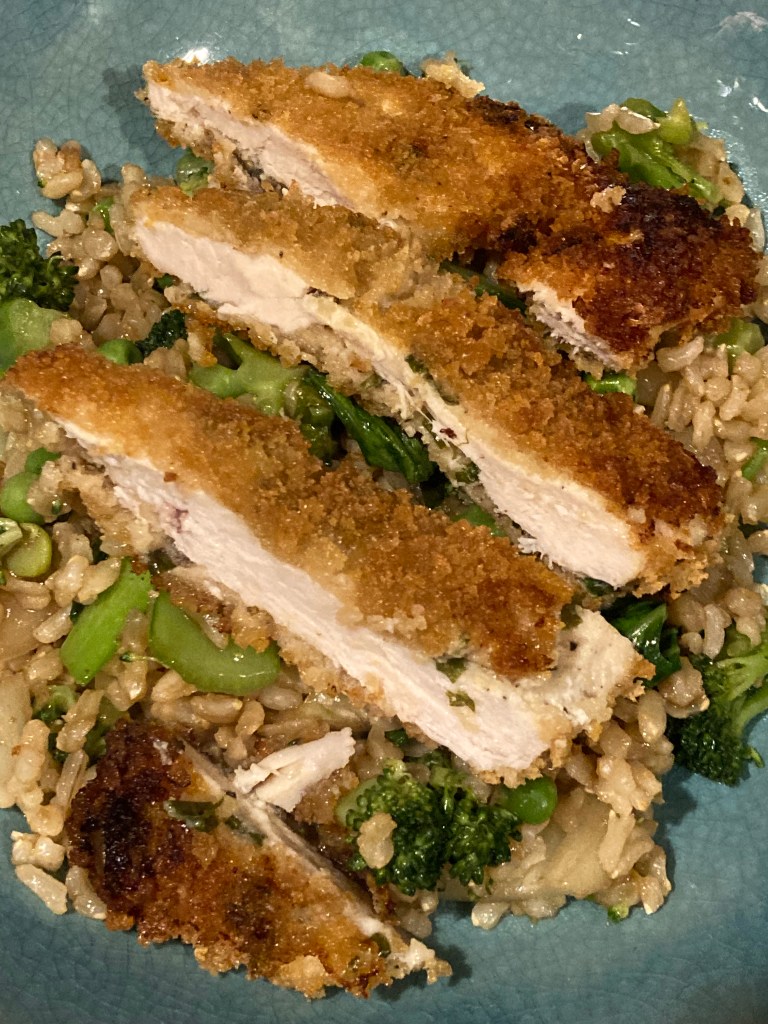
NOW– what to do with the ramps that Paul and I harvested! I had first thought that I might make a ramp pesto with garlic, parmesan, toasted almonds and extra virgin olive oil. I started to think about Chinese chicken with broccoli in a spicy garlic sauce and imagined that replacing the scallions in the recipe with ramps; along with their leafy green tops I imagined it would be a good combination of flavors. I am happy to report, it worked beautifully!
You can easily replace the ramps in this recipe with scallions! ENJOY!
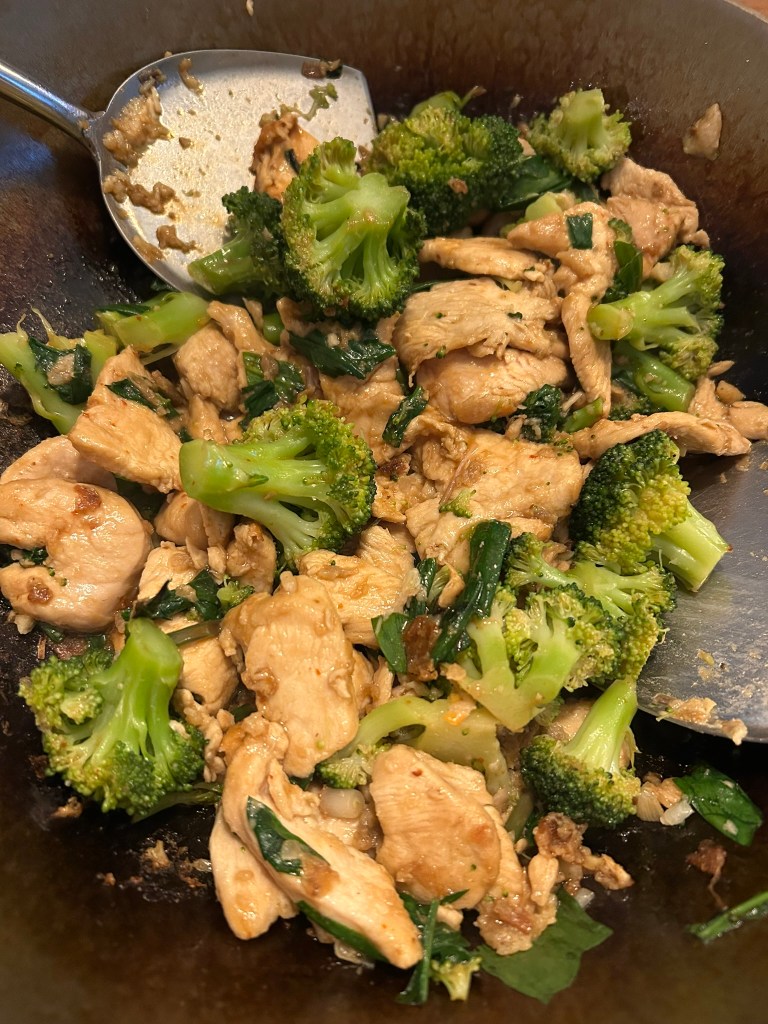
Chinese Chicken and Broccoli with Garlic Sauce and Ramps
Ingredients:
2 boneless chicken breasts thinly sliced (the chicken was still a bit frozen and this made it easier to slice thinly)
1 medium broccoli crown- steamed until crisp tender. Remove from heat and quickly rinse with very cold water or place in an ice bath. This will retain the bright green color and texture.
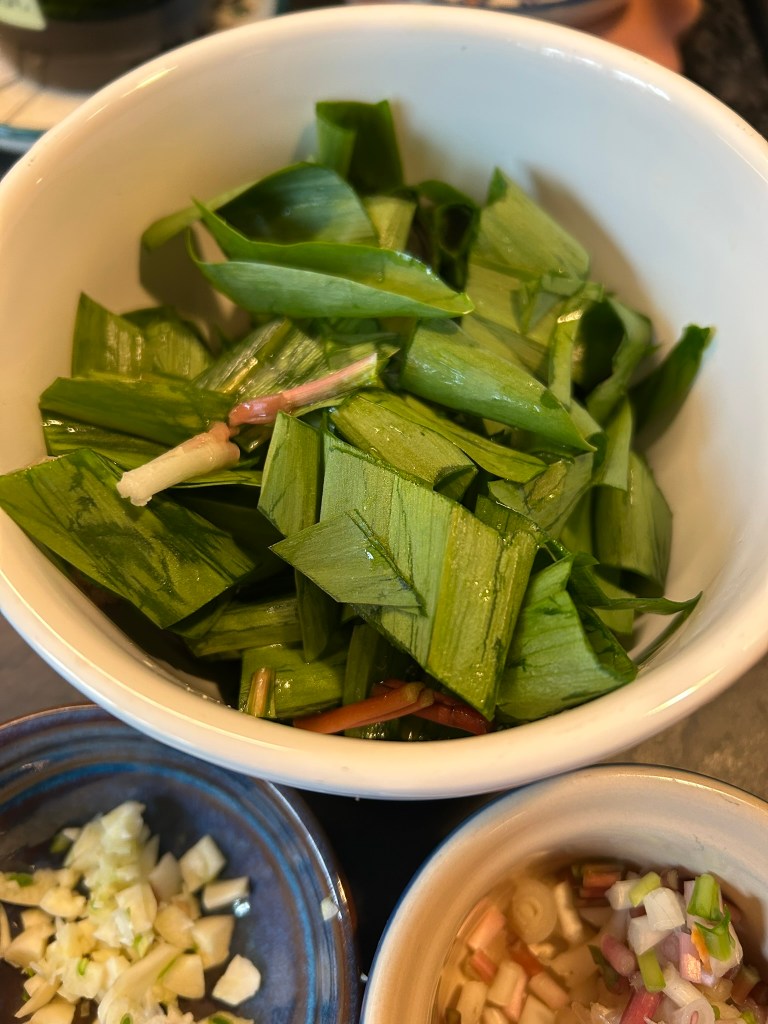
2 tablespoons finely chopped tips of the ramps (this is the part that looks like scallion bulbs).
2 tablespoons finely chopped ginger
1 tablespoon finely chopped garlic
2 cups chopped green leaves of ramps
1/2 cup roasted cashews (optional)
Marinade:
2 tablespoons tamari
1 tablespoon toasted sesame oil
1 teaspoon hot chili oil (or more to taste)
Cornstarch slurry:
2 tablespoons cornstarch mixed with aprox. 2 tablespoons water to make a smooth paste
Marinade:
2 tablespoons tamari
1 tablespoon toasted sesame oil
1/2 teaspoon hot chili oil
Sauce:
3 tablespoons tamari
1 teaspoon toasted sesame oil
1 teaspoon (or to taste) chili paste with garlic
To prepare:
Pour marinade over sliced chicken- you can do this a few hours before, but let chicken marinate for a least 1/2 hour before cooking.
Mix marinated chicken with cornstarch slurry- let sit for a minute or two.
Heat wok – it should start to smoke a bit.
Add oil bring back to high heat. Add ginger, ramps tips and garlic and cook briefly.
Add chicken and cook until done. You can cut a small piece with your spatula to check if the inside is not pink and it slices easily.
Add ramp greens and stir fry until they wilt- about 1 minute.
Add broccoli and stir briefly.
Add sauce alongside the wok and stir all together briefly.
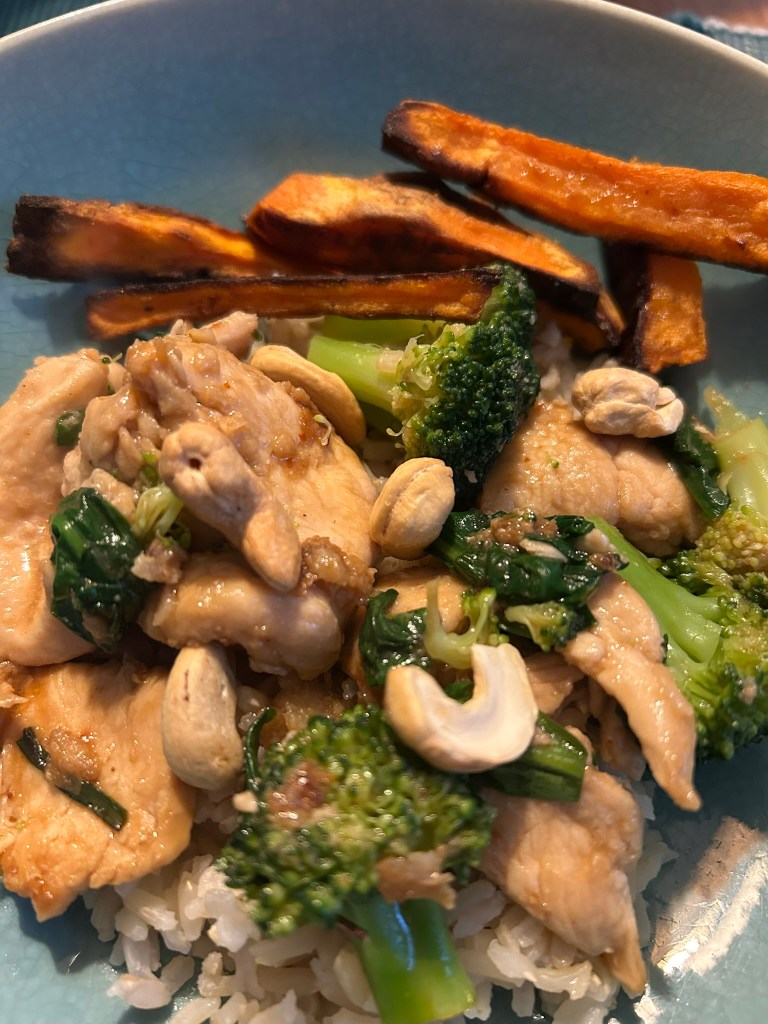
Top with roasted cashews if using them.
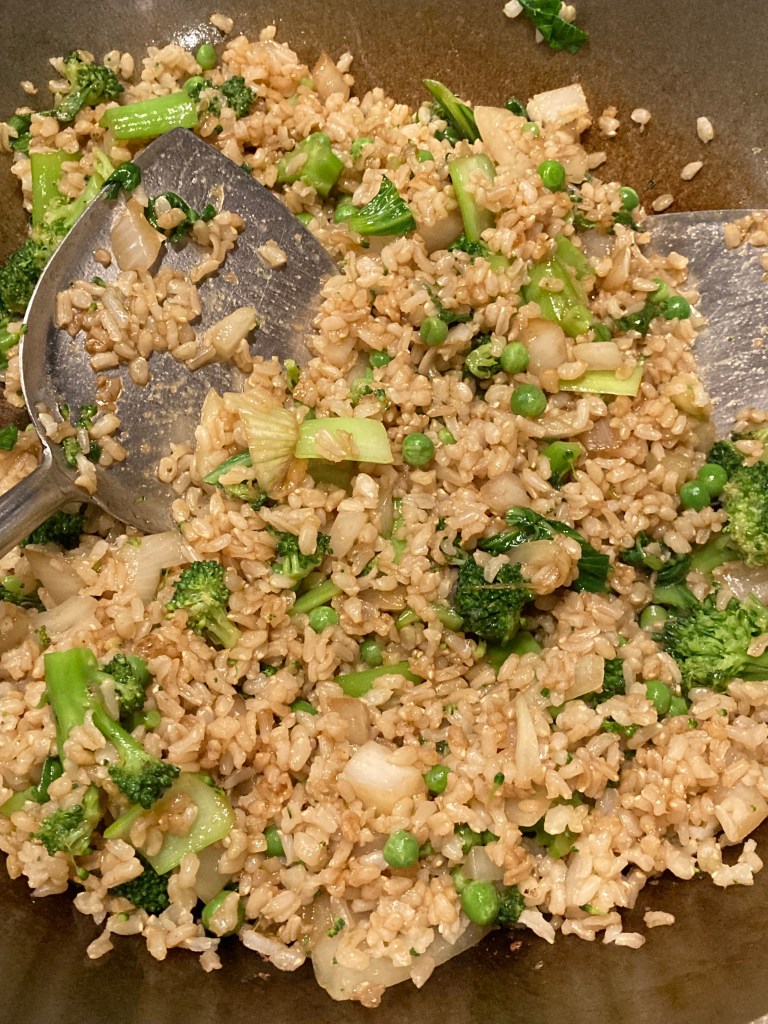
I served this with brown rice and oven roasted sweet potatoes dusted with ground cumin!
Enjoy!!
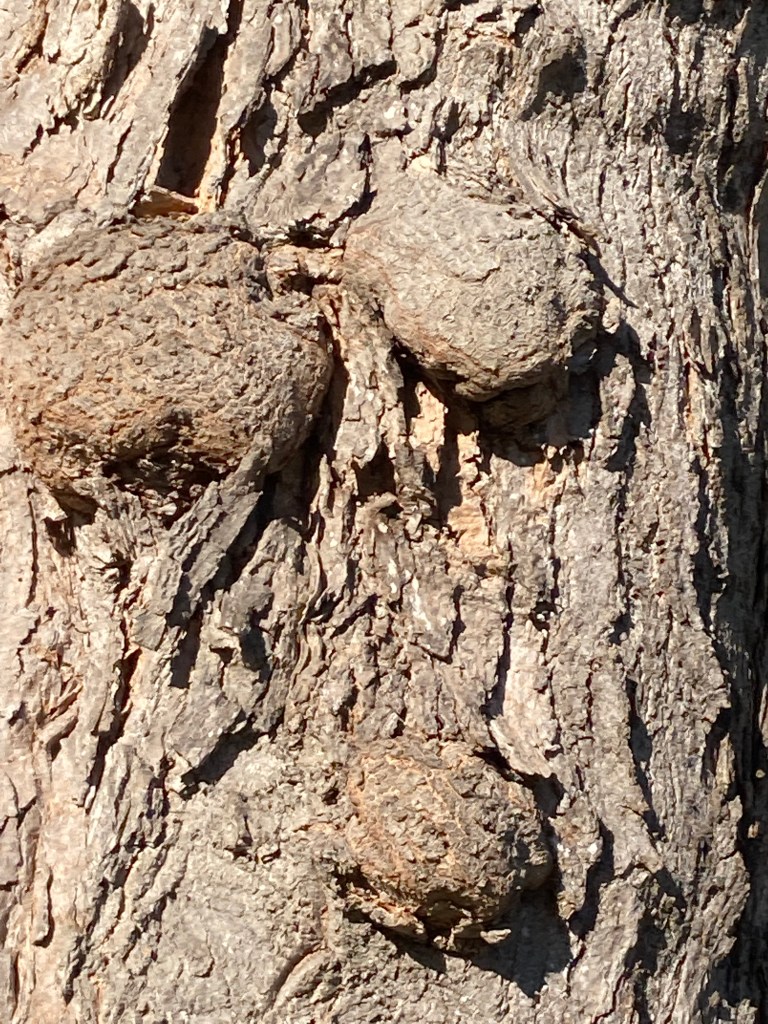
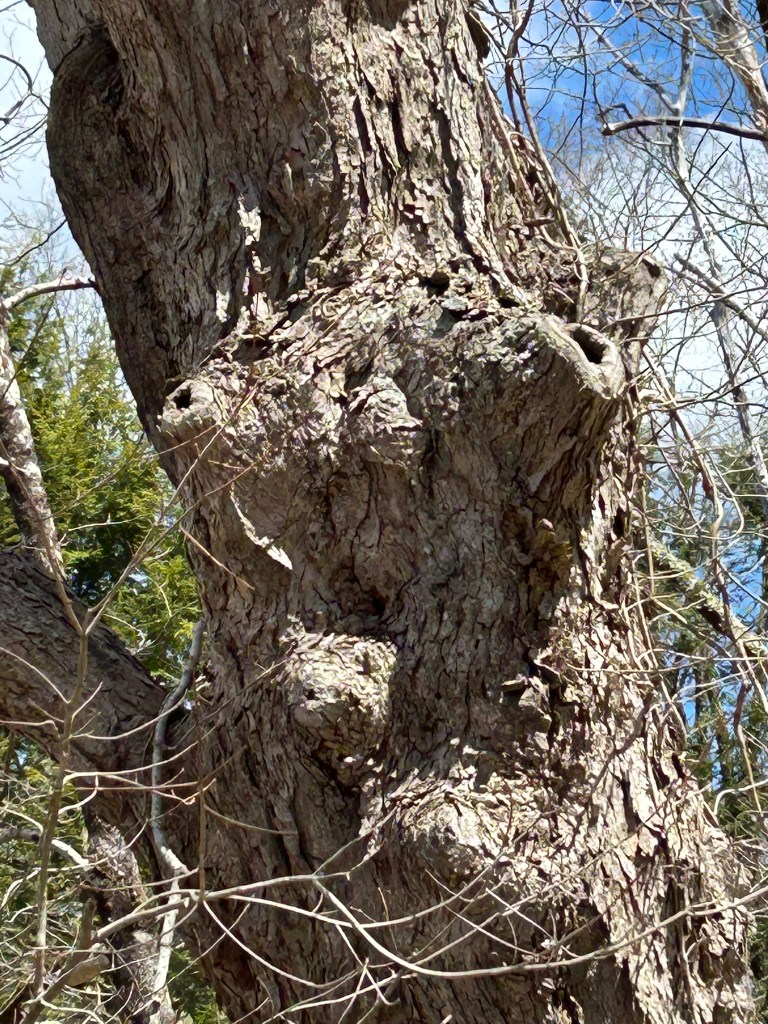
AND: Here is the “Tree of the Week”!
HAPPY SPRING!!